
For many residents living in the fast-paced environment of Las Vegas, the thought of sitting in a dental chair triggers an overwhelming sense of dread. Dental phobia is a deeply real, often paralyzing anxiety that affects millions of people, cutting across all demographics from busy corporate executives to hospitality workers on the Strip. This intense fear frequently leads to a damaging cycle of avoidance, where minor, easily treatable issues like small cavities gradually transform into severe infections, chronic pain, and extensive tooth loss. When dental anxiety has caused you to put off crucial treatment for years, finding a compassionate and experienced dentist in Las Vegas NV is a positive way to break the cycle of fear and safely restore your oral health in an environment focused entirely on your comfort. In 2026, modern dentistry has evolved far beyond the rigid, stressful experiences of the past. Through the clinical application of conscious sedation techniques, patients who once avoided the dentist at all costs can now undergo multiple complex procedures completely free of pain, panic, or distress, transforming how Las Vegas cares for its smiles.
Understanding the Spectrum of Dental Phobia
Dental anxiety is rarely just about a dislike of the sound of a drill. For most individuals who suffer from severe phobia, the fear is deeply rooted in a sense of vulnerability, past traumatic dental experiences, or a hyper-sensitive gag reflex that makes traditional examinations feel suffocating.
When a person experiences dental panic, their autonomic nervous system enters a full fight-or-flight response. Adrenaline floods the bloodstream, the heart rate spikes, muscles tighten, and the perception of pain becomes highly magnified. This psychological and physiological reaction makes it incredibly difficult for a patient to sit still, let alone tolerate intricate dental work. Recognizing that this fear is an involuntary biological response—rather than a simple lack of willpower—is the foundational concept behind modern sedation dentistry. Instead of asking patients to simply brace themselves through their anxiety, sedation options alter the body’s stress response, providing a calm path to necessary medical care.
What Exactly is Conscious Sedation?
The biggest misconception about sedation dentistry is that it requires being put completely to sleep, similar to undergoing major surgery in a hospital setting. While general anesthesia is an option for specific surgical cases, the vast majority of anxiety-reduction dentistry relies on conscious sedation.
As the name implies, conscious sedation keeps you awake, responsive, and capable of following simple instructions from your dental team, but your mind and body are insulated by a profound wave of relaxation. You are not unconscious; rather, you are in a deeply serene, dream-like state where the sights, sounds, and sensations of the dental office simply do not bother you. For many patients, the experience is accompanied by a mild amnesic effect, meaning they remember very little, if any, of the actual procedure once the appointment is over. This makes the entire visit feel like it lasted only a few fleeting minutes.
The Mechanism of Oral Conscious Sedation
Oral conscious sedation is one of the most popular choices for patients dealing with moderate to severe dental phobia because it involves no needles or complex machinery prior to relaxation. The process relies on prescribed, highly safe medications from the benzodiazepine family, which are the same class of medications used to manage generalized anxiety and panic disorders.
The protocol typically begins before you even step foot inside the dental office. Your provider will instruct you to take a small pill about an hour before your scheduled appointment time. By the time your companion drives you to the clinic, the medication has already begun to bind with specific receptors in your brain that slow down overactive neural activity. This dampens the brain’s fear center, lowering your blood pressure, relaxing your muscles, and replacing mounting panic with a comforting sense of drowsiness. Once you are nestled into the treatment chair, the dental team monitors your vital signs continuously, ensuring you remain perfectly safe and comfortable as they begin their work.
The Agility of Nitrous Oxide: The Laughing Gas Standard
For patients who experience mild to moderate anxiety, or for those who need to return to their normal daily routines immediately after their appointment, nitrous oxide sedation provides an exceptionally agile solution. Commonly known as laughing gas, nitrous oxide is a colorless, sweet-smelling gas that is blended with pure oxygen and inhaled through a small, comfortable mask placed over the nose.
Nitrous oxide works rapidly, entering the bloodstream through the lungs and inducing a light, euphoric sensation within two to three minutes of inhalation. Patients often describe a feeling of warmth, a pleasant tingling sensation in their arms and legs, and a complete detachment from the ambient sounds of the dental office. The greatest clinical advantage of nitrous oxide is its precise control. Your provider can adjust the sedation levels instantly based on your real-time feedback. Furthermore, once the procedure is finished and the gas is turned off, the effects lift completely within five minutes of breathing regular oxygen. This allows busy professionals or parents to drive themselves home or return directly to work without any lingering grogginess.
Bundling Care: The Solution for Busy Professionals and Neglected Smiles
One of the most transformative aspects of conscious sedation dentistry is its ability to compress years of neglected dental work or extensive multi-step treatment plans into just one or two comprehensive appointments. When a patient is completely relaxed under sedation, their perception of time is altered, and their jaw muscles remain relaxed without strain.
This allows the dental team to work with maximum efficiency, performing extractions, placing implants, treating root canals, or applying cosmetic crowns in a single visit. For a busy professional working in the fast-paced Las Vegas economy, taking multiple days off for separate dental appointments is a major logistical burden. Similarly, for someone dealing with severe phobia, the mental energy required to psych themselves up for five or six separate visits can feel insurmountable. Sedation dentistry removes these hurdles entirely, allowing you to hit the reset button on your oral health in a fraction of the time, without the emotional toll of repeated stressful exposures.
Overcoming the Hyper-Sensitive Gag Reflex
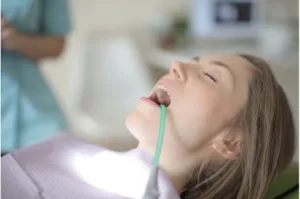
A hyper-sensitive gag reflex is a distressing physical condition that frequently drives people to avoid the dentist for decades. For these individuals, the mere placement of a small diagnostic mirror or a digital X-ray sensor near the back of the mouth triggers an involuntary, violent gagging episode that can feel deeply embarrassing and physically exhausting.
This reflex is often amplified by anxiety; the more worried a patient is about gagging, the more hyper-sensitive the reflex becomes. Conscious sedation directly interrupts this neurological loop. By calming the central nervous system, sedation relaxes the throat muscles and dampens the overactive oral reflexes that make traditional dentistry painful or impossible. Under oral or nitrous sedation, diagnostic scans, deep cleanings, and restorative work can be executed smoothly, allowing the patient to receive thorough care without physical distress or emotional discomfort.
Safety First: The Strict Protocols of Modern Sedation
It is completely natural for an anxious patient to question the safety of sedation dentistry. In 2026, the safety standards governing conscious sedation are incredibly rigorous, prioritizing patient wellness above all else. Before any sedation plan is established, your dental team will conduct a comprehensive medical review.
This review includes assessing your complete medical history, tracking current prescriptions to prevent drug interactions, and checking baseline vital signs. Throughout the entire sedated procedure, advanced digital monitoring equipment continuously tracks your blood oxygen levels, heart rate, and blood pressure. Because you remain conscious and capable of breathing completely on your own, the risks associated with conscious sedation are exceptionally low compared to general anesthesia, making it an incredibly secure option for adults of all ages, including seniors managing controlled systemic health conditions.
The Psychology of Healing: Rewriting Your Dental History
The benefits of conscious sedation extend far beyond the physical completion of dental procedures. Experiencing a series of successful, entirely pain-free appointments can actually help rewire how your brain perceives the dental office, gradually reducing your baseline phobia over time.
When your brain registers that a dental visit can result in comfort and a beautiful, healthy outcome rather than pain or panic, the traumatic memories of past experiences begin to lose their emotional grip. Many patients find that after a few successful sedated visits, their anxiety levels drop to a point where they can tolerate routine cleanings and exams with only light nitrous oxide, or even standard local numbing alone. Sedation dentistry is not just a temporary fix; it is a clinical bridge that helps you reclaim your autonomy, your confidence, and your relationship with lifelong preventative healthcare.
What to Expect: Planning Your Sedation Visit
To ensure a completely seamless and stress-free experience, a small amount of logical planning is required before your conscious sedation appointment. For oral sedation, because the medication takes several hours to fully clear your system, you must arrange for a trusted friend or family member to drive you to the office and transport you safely back home afterward.
It is recommended to wear loose, comfortable clothing to your appointment to allow for the easy placement of vital monitoring sensors. After returning home, you should plan to spend the remainder of the day resting on the couch or in bed, hydrating with water, and enjoying soft, easy-to-eat foods as the medication gently wears off. By the following morning, the sedative will be completely out of your system, leaving you free to resume your normal daily activities with a completely restored, healthy, and cavity-free smile.
Conclusion: Reclaiming Your Smile Without the Stress
Living with dental anxiety or a hyper-sensitive gag reflex should never disqualify you from enjoying the benefits of a strong, healthy, and confident smile. The modern advancements in conscious sedation dentistry mean that fear is no longer an obstacle to receiving top-tier oral care.
By understanding the distinct advantages of oral and nitrous sedation, Las Vegas residents can choose a customized comfort path that respects their individual emotional needs and busy schedules. Do not let the memory of a past negative experience dictate the future of your health. Embrace the modern, empathetic standard of sedation care, compress your dental needs into a single relaxing visit, and step forward into a brighter future with your confidence, your comfort, and your Uptown smile fully secured.
Steven Lagrimas is a freelance writer specializing in STEM, business, health, politics, and the social sciences. His work explores the intersection of society, governance, innovation, and emerging global trends shaping communities and industries today.