Research Highlights:
- A lab study investigating mouse and human cardiac tissue found a potential link between gum disease (periodontitis) and a narrowing of the aortic valves (aortic valve stenosis).
- Currently, there is no medication or treatment available that can prevent or slow the progression of aortic valve stenosis.
- However, these findings suggest that treating gum disease and associated inflammation of the gums might help prevent the most common form of heart valve disease.
- Note: The study featured in this news release is a research abstract. Abstracts presented at the American Heart Association’s scientific meetings are not peer-reviewed, and the findings are considered preliminary until published as full manuscripts in a peer-reviewed scientific journal.
Embargoed until 8 a.m. CT/9 a.m. ET, Sunday, July 12, 2026
BOSTON - July 12, 2026 (NEWMEDIAWIRE) - Gum disease bacteria may spur calcium buildup in the heart’s aortic valve, leading to a common and serious heart valve disease, according to preliminary, independent research presented at the American Heart Association’s Basic Cardiovascular Sciences Scientific Sessions 2026. The meeting, in Boston, July 13-16, 2026, is one of the largest meetings globally dedicated to fundamental and translational research in cardiovascular science.
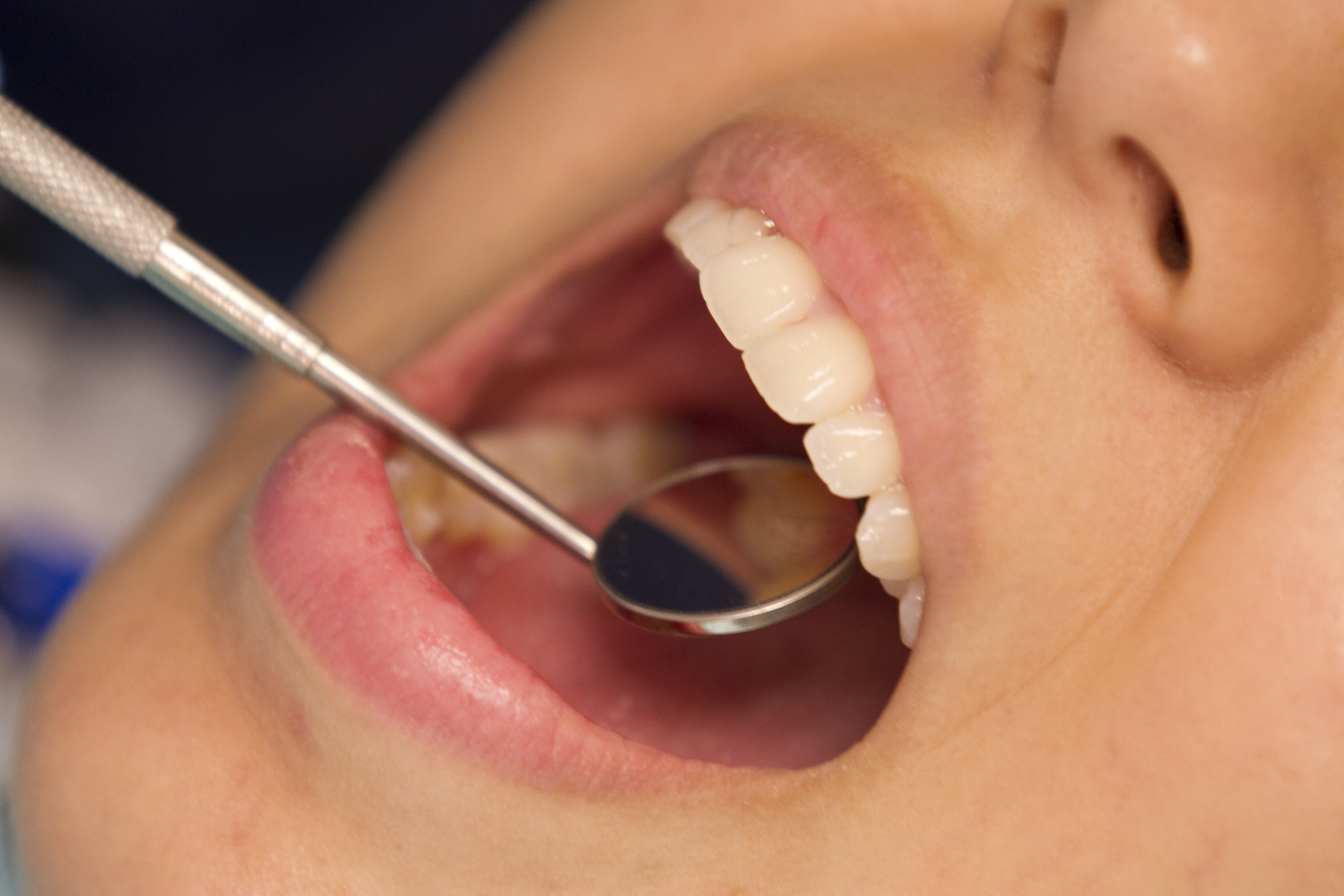
According to the American Heart Association, calcific aortic valve stenosis (CAVS) occurs when the aortic valve thickens and calcifies, restricting blood flow from the heart to the rest of the body. In early stages, there may be no symptoms; however, as the condition progresses, it can cause fatigue, chest pain, shortness of breath, fainting, heart failure and sometimes premature death. Standard treatment for severe CAVS is valve replacement surgery.
This study identifies a potential biological pathway linking chronic oral gum disease and infection to calcific aortic valve stenosis.
“There are currently no medications proven to prevent or slow the progression of CAVS. We hope our findings demonstrating the link between periodontal disease and CAVS will stimulate further research into new preventive and therapeutic approaches for this condition,” said co-lead author of the study, Chenyang Li, M.D., a Ph.D. candidate in the department of cardiology at the State Key Laboratory of Cardiovascular Disease of Fuwai Hospital’s National Center for Cardiovascular Diseases, the Chinese Academy of Medical Sciences and Peking Union Medical College all in Beijing.
The researchers focused on the bacteria called Porphyromonas gingivalis (P. gingivalis), which plays a disproportionately large role in causing gum inflammation and the destruction of gum tissue. P. gingivalis has also previously been associated with systemic inflammation and the risk of cardiovascular disease, including plaque buildup in the arteries and coronary artery disease.
The researchers measured different bacterial levels in human cardiac valve tissue removed during valve replacement surgery. They studied samples from people with CAVS and from those with other valve diseases.
“We were surprised by how much P. gingivalis was present in the calcified aortic valves,” Li said. “Although it was not one of the most abundant bacteria overall, it showed one of the largest differences between valves with CAVS and valves without CAVS. This unexpected finding led us to investigate its potential role in the development of CAVS.”
Using mice, researchers also explored how P. gingivalis might be linked to the development of CAVS. Researchers gave mice live and heat-inactivated P. gingivalis to see if the bacteria built up in the aortic valve, caused more calcification and led to symptoms of aortic stenosis. Some mice received antibiotics, while in others the IL-1β inflammatory pathway was genetically disabled or removed.
Researchers found that repeated exposure of mice to live P. gingivalis led to the accumulation of bacteria in aortic valves, increased valve calcification and symptoms of aortic stenosis, while preventive antibiotic treatment reduced these effects. In the mouse valve cells, P. gingivalis activated interleukin-1 beta (IL-1b), an inflammation-spurring protein made mainly by the body's immune cells.
In further testing, when researchers genetically deleted IL-1b in the mice, calcification and valve symptoms were significantly reduced even in the presence of P. gingivalis.
“The key message is simple: take good care of your oral health,” Li said. ”Good oral hygiene and treatment of periodontal disease are important for overall health and may also have benefits for cardiovascular health. While it is still too early to recommend specific treatments for preventing CAVS, our findings suggest that periodontal health could be an important piece of the puzzle.”
“This study adds to the growing evidence that oral health and heart health are closely connected,” said Eduardo Sanchez, M.D., M.P.H., FAHA, chief medical officer for prevention for the American Heart Association. “For many people, regular visits to the dentist are their only connection to the healthcare system. That makes dental professionals important partners in spotting health conditions, including periodontal disease early - which can lead to quicker healthcare referrals and results, better health and lives saved.”
The American Heart Association’s Healthy Smiles, Healthy Hearts™ initiative provides dental care teams with professional education highlighting the connection between oral health and heart health, a standard blood pressure screening and referral guide for patients in dental settings, and educational materials for patients to help improve both their oral and heart health.
The study has limitations because its findings have not been confirmed in people. The researchers have started a clinical study to further evaluate the link between gum disease and CAVS.
Co-authors, their disclosures and funding sources are listed in the abstract.
Statements and conclusions of studies that are presented at the American Heart Association’s scientific meetings are solely those of the study authors and do not necessarily reflect the Association’s policy or position. The Association makes no representation or guarantee as to their accuracy or reliability. Abstracts presented at the Association’s scientific meetings are not peer-reviewed, rather, they are curated by independent review panels and are considered based on the potential to add to the diversity of scientific issues and views discussed at the meeting. The findings are considered preliminary independent research until published as a full manuscript in a peer-reviewed scientific journal.
The Association receives more than 85% of its revenue from sources other than corporations. These sources include contributions from individuals, foundations and estates, as well as investment earnings and revenue from the sale of our educational materials. Corporations (including pharmaceutical, device manufacturers and other companies) also make donations to the Association. The Association has strict policies to prevent any donations from influencing its science content and policy positions. Overall financial information is available here.
Additional Resources:
- Multimedia is available on the right column of the news release link.
- American Heart Association Scientific Statement news release: Gum disease may be linked to plaque buildup in arteries, higher risk of major CVD events (Dec. 2025)
- American Heart Association news release: New resources help dentists identify patients at risk for cardiovascular disease (Nov. 2025)
- American Heart Association news release: Regular dental flossing may lower risk of stroke from blood clots, irregular heartbeats (Jan. 2025)
- American Heart Association news release: Treating gum disease after heart rhythm ablation reduced risk of AFib recurrence (April 2024)
- American Heart Association health information: Oral Health
- Follow AHA/ASA news from the meeting on Twitter @HeartNews, #BCVS26
BCVS is one of the largest meetings in the world dedicated to fundamental and translational research to improve heart health, a goal that the pandemic has only made more critical. Presented by the American Heart Association’s Basic Cardiovascular Sciences Council, the 2026, in-person conference attracts leading researchers in fields such as microRNAs, cardiac gene and cell therapy, cardiac development and also includes tissue engineering and iPS cells. Follow the conference on X at #BCVS26.
About the American Heart Association
The American Heart Association is a relentless force for a world of longer, healthier lives. Dedicated to ensuring equitable health in all communities, the organization has been a leading source of health information for more than one hundred years. Supported by more than 35 million volunteers globally, we fund groundbreaking research, advocate for the public’s health, and provide critical resources to save and improve lives affected by cardiovascular disease and stroke. By driving breakthroughs and implementing proven solutions in science, policy, and care, we work tirelessly to advance health and transform lives every day. Connect with us on heart.org, Facebook, X or by calling 1-800-AHA-USA1.
For Media Inquiries and AHA Expert Perspective:
AHA Communications & Media Relations in Dallas: ahacommunications@heart.org
Karen Astle: Karen.astle@heart.org
For Public Inquiries: 1-800-AHA-USA1 (242-8721)
heart.org and stroke.org
View the original release on www.newmediawire.com