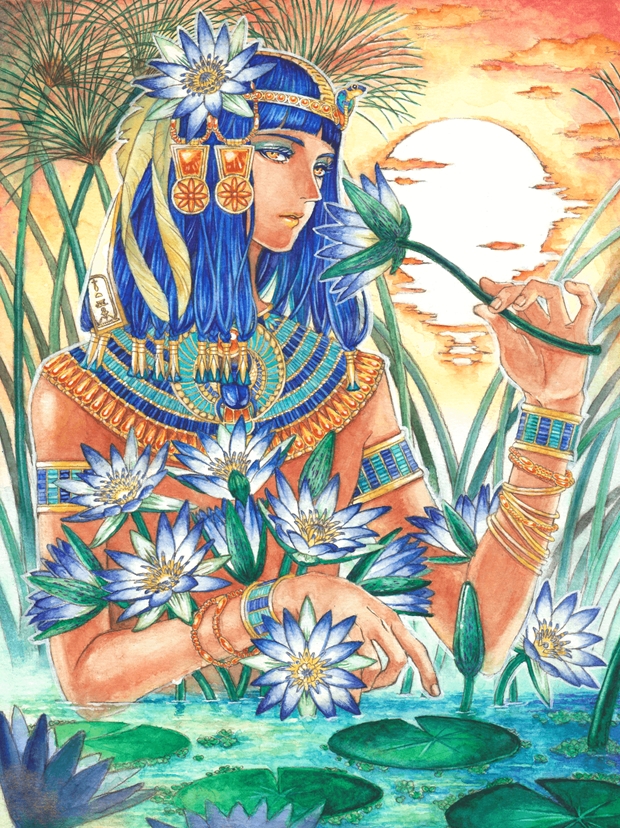
Introduction to Egyptian Blue Lotus Flowers
Egyptian blue lotus flowers have fascinated humanity for thousands of years. Revered in ancient civilizations and admired in modern spiritual and cultural practices, these striking blossoms are far more than ornamental plants. Known scientifically as Nymphaea caerulea, the blue lotus holds a unique place in Egyptian mythology, religious rituals, art, medicine, and symbolism. Its vibrant blue petals, radiant yellow center, and intoxicating aroma made it a sacred emblem of rebirth, enlightenment, and divine connection.
This article explores the origins, botanical characteristics, spiritual significance, ceremonial uses, and enduring legacy of the Egyptian blue lotus, offering a deep and detailed understanding of why this flower continues to captivate the modern world.
Botanical Profile of the Blue Lotus
Classification and Natural Habitat
The Egyptian blue lotus is an aquatic flowering plant native to the Nile River and other freshwater regions of North and East Africa. It thrives in calm waters such as ponds, lakes, and slow-moving rivers, where its roots anchor in the mud while its leaves and flowers float gracefully on the surface.
Physical Characteristics
- Petals: Vivid blue to bluish-purple, sometimes fading to white near the center
- Center: Bright golden-yellow stamens
- Leaves: Broad, round, and waxy, floating on water
- Blooming Cycle: Opens in the morning and closes at dusk
This daily opening and closing cycle played a major role in the flower’s symbolic connection to the sun and cosmic renewal.
Mythological and Religious Significance in Ancient Egypt
Symbol of Creation and Rebirth
In ancient Egyptian cosmology, the blue lotus was associated with the creation of the universe. Mythology describes the flower emerging from the primordial waters of chaos, opening to reveal the sun god Ra. As a result, the lotus became a powerful symbol of rebirth, regeneration, and the eternal cycle of life.
Connection to Deities
The flower was closely linked to several Egyptian gods:
- Ra: The sun god, reborn each morning like the opening lotus
- Nefertem: God of beauty, healing, and perfumes, often depicted holding a blue lotus
- Osiris: God of the afterlife and resurrection
Because of these associations, blue lotus imagery appeared frequently in temples, tombs, and sacred art.
Cultural and Artistic Importance
Depictions in Art and Architecture
The Egyptian blue lotus was a dominant motif in ancient art. It appeared in:
- Wall carvings and reliefs
- Temple columns shaped like lotus stalks
- Jewelry and ceremonial objects
- Tomb paintings showing pharaohs and nobles holding the flower
These depictions were not decorative alone; they symbolized spiritual awakening, divine favor, and eternal life.
Social and Ceremonial Use
Blue lotus flowers were often used in feasts, celebrations, and religious ceremonies. Participants would wear garlands or inhale the flower’s fragrance as part of communal rituals, reinforcing social bonds and spiritual awareness.
Ritual Oils Blue Lotus and Sacred Practices
Extraction and Preparation
Ritual oils blue lotus were traditionally created by infusing the flower’s petals into carrier oils. This slow process allowed the aromatic and symbolic essence of the lotus to blend into the oil, which was then used for anointing, meditation, and sacred rites.
Spiritual and Ceremonial Applications
These ritual oils played an essential role in spiritual life:
- Anointing priests, pharaohs, and sacred statues
- Enhancing meditation and dream practices
- Used in temple rituals to invoke divine presence
- Symbolizing purity, enlightenment, and transformation
The fragrance of blue lotus oil was believed to elevate consciousness and connect individuals with higher realms of awareness.
Psychological and Sensory Influence
Aroma and Emotional Effects
The scent of Egyptian blue lotus is often described as sweet, floral, and slightly earthy. Historically, it was believed to induce calmness, euphoria, and mental clarity. This made it especially valuable in spiritual ceremonies and relaxation practices.
Role in Altered States of Awareness
Ancient texts and artistic depictions suggest that blue lotus was associated with heightened perception and introspection. While not intoxicating in a conventional sense, its presence in rituals was thought to gently open the mind to symbolic visions and deeper emotional states.
Medicinal and Healing Traditions
Traditional Healing Beliefs
In ancient Egyptian medicine, blue lotus was used for various therapeutic purposes, including:
- Stress relief
- Supporting restful sleep
- Enhancing mood and emotional balance
- Promoting overall vitality
It was often combined with other herbs and oils in holistic healing practices.
Symbolic Healing Power
Beyond physical uses, the flower represented inner healing and renewal. Its ability to rise pristine from murky waters served as a metaphor for overcoming adversity and achieving spiritual clarity.
Blue Lotus in Modern Culture
Revival in Spiritual Practices
Today, Egyptian blue lotus flowers are experiencing renewed interest in modern spiritual and wellness communities. They are valued for meditation, symbolic rituals, and personal reflection practices inspired by ancient traditions.
Artistic and Cultural Influence
The blue lotus continues to inspire:
- Contemporary art and design
- Literature and poetry
- Holistic wellness philosophies
- Symbolic jewelry and decor
Its timeless symbolism resonates with modern seekers of balance, beauty, and self-discovery.
Symbolism and Philosophical Meaning
Key Symbolic Themes
The Egyptian blue lotus embodies several universal concepts:
- Rebirth: Daily blooming mirrors renewal
- Purity: Rising clean from muddy waters
- Enlightenment: Opening petals represent awakening
- Divine Connection: Bridge between human and cosmic realms
These meanings transcend cultural boundaries, making the flower a global symbol of spiritual growth.
Conclusion: The Sacred Essence of the Blue Lotus
The legacy of Egyptian blue lotus flowers extends far beyond their physical beauty. Rooted in ancient mythology, spiritual symbolism, artistic expression, and ceremonial traditions, this sacred flower represents humanity’s eternal connection to renewal, enlightenment, and divine consciousness. From its daily rebirth upon the waters of the Nile to its role in religious rituals and royal ceremonies, the blue lotus stood as a bridge between the earthly and the spiritual realms.
One of the most profound expressions of this legacy can be found in Ritual Oils Blue Lotus, which carried the flower’s symbolic and aromatic essence into sacred practices. These oils were more than fragrant substances; they embodied purity, spiritual awakening, and intentional transformation. Used in anointing rituals, meditation, and temple ceremonies, they reinforced the belief that scent and symbolism could elevate the human spirit and align it with higher awareness.
Today, the fascination with Egyptian blue lotus flowers continues, not merely as a historical curiosity but as a timeless symbol of inner growth and sacred balance. Whether admired through ancient art, studied for its cultural significance, or honored through traditional ritual oils, the blue lotus remains a powerful reminder that beauty, spirituality, and renewal are eternally intertwined.
Media Contact
Company Name: Blue Lotus
Email: Send Email
Country: United States
Website: https://bluelotus.buzz