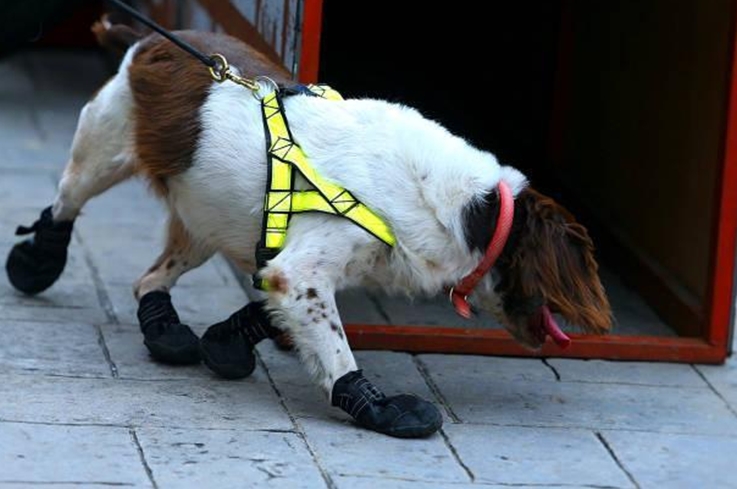
Summer walks can look harmless until you notice your dog speeding up, lifting a paw, or trying to move onto the grass. Hot weather changes the ground fast, especially in cities where pavement, asphalt, and concrete soak up heat like a pan. A sunny day can turn a normal sidewalk into something that feels dangerously hot on bare skin, and your dog’s paws are the first thing to suffer.
The good news is you do not have to stop walks completely. With the right timing, smart route choices, and proper paw protection, your dog can still enjoy outdoor time without risk. In this guide, we will focus on real signs of hot pavement, how burns happen, and how dog shoes for hot pavement can reduce the risk when you cannot avoid heat exposure.
Why Hot Pavement Is a Bigger Threat Than Most People Think
People often judge temperature by the air, but your dog experiences the ground directly. Pavement can become much hotter than the surrounding air, especially dark asphalt and blacktop surfaces. That difference matters because paw pads are not heat-proof. They are tough, yes, but they can still blister, crack, and burn.
Even worse, mild burns are sometimes easy to miss. A dog may not yelp, but they will start walking oddly, licking their paws more than usual, or refusing to go out the next day. Those subtle signs often appear after damage has already happened.
Hot pavement is also a “repeat injury” problem. Once pads are irritated, they become more sensitive. That means a dog that gets a minor burn today may become more vulnerable in the next walk, even if the surface is only slightly warm.
How Paw Burns Happen and What They Look Like
Paw pads burn the same way skin burns. Heat transfers from the ground into the pad. If exposure is long enough, it causes inflammation, then blisters, then deeper tissue damage. The danger is not only the heat level, but the time spent on it.
Look for these signs after a walk:
- Limping or stopping repeatedly
- Licking or chewing paws more than normal
- Darkened pads or redness between toes
- Blisters, peeling skin, or raw patches
- Your dog refusing to walk on certain surfaces
If you see blistering, open skin, or bleeding, treat it seriously. That is the point where you should contact a vet, because infection can set in quickly with paw wounds.
Simple Ways to Test Pavement Heat Before You Walk
You do not need a special tool to know when pavement is risky. A quick test can tell you plenty.
Place the back of your hand on the pavement for about 7 seconds. If you cannot comfortably keep it there, the surface is too hot for your dog’s paws. This test is not perfect, but it is a helpful real-world rule for busy dog owners.
Also watch the environment. Direct sun, dark pavement, and high humidity can push surface temperatures higher even if the air feels “just warm.”
Best Times and Routes for Summer Walking
Before we talk about protective gear, it helps to reduce risk naturally. Many paw injuries happen because dogs are walked at the hottest times of day.
Early morning and late evening are usually safer because the ground has had time to cool. Shaded routes help too. Grass, dirt trails, and wooded paths stay cooler than concrete and asphalt.
If you live in a city and your route is mostly pavement, you may need extra protection. That is where dog footwear becomes more than optional.
Dog Shoes for Hot Pavement: How They Help
Dog shoes designed for hot surfaces work like a barrier. They reduce direct contact between paw pads and scorching ground. A good pair has a thicker sole to slow heat transfer and enough structure to protect against rough texture.
They also help in another way people forget: they can prevent a dog from licking irritated paws during the walk. When a dog starts feeling discomfort, licking can begin immediately. Shoes stop that habit until you are back home and can check paws properly.
However, not all shoes are equal. Some are thin and mainly for indoor grip. For summer pavement, you need something that focuses on heat resistance and secure fit.
What to Look for in Shoes Made for Hot Ground
The best shoes for hot pavement usually share the same features. You do not need to memorize technical terms. Focus on practical things that make a difference.
A protective sole matters most. It should feel firm, not paper-thin. The upper part should be breathable, because summer heat plus trapped air can make paws sweat and feel uncomfortable.
Fit is equally important. Shoes that are too loose will twist and rub, which can create sores. Shoes that are too tight can restrict circulation and make your dog hate wearing them.
You also want a design that stays on. Dogs kick off loose shoes surprisingly fast, especially when they start running or playing. Secure straps and good ankle support reduce that problem.
Paw Protectors: Shoes vs. Balms vs. Socks
Many owners ask, “Do I really need shoes, or can I use something else?” The answer depends on your environment and your dog.
Paw balms can help moisturize and reduce cracking, but they do not block heat well. They are better for dry pads and minor irritation than for walking on scorching surfaces.
Dog socks can be comfortable indoors, but outside they often fail quickly. They can also absorb heat and become uncomfortable if the surface is hot.
That is why proper Paw Protectors are often the best solution when heat is the main risk. You want something that actually separates paws from the ground and stays put during movement.
How to Measure Your Dog’s Paws for the Right Fit
Sizing is the step most people rush, and it is the reason many dogs “hate shoes.” They do not hate the idea. They hate the wrong fit.
Measure your dog’s paw while they are standing, because paws spread slightly under weight. Place a piece of paper under a front paw, trace the outline, then measure the widest part. Do the same for the other front paw, because one can be slightly larger.
Use the wider measurement as your guide. If your dog is between sizes, going slightly larger is often better, as long as the shoe can be tightened securely with straps.
Helping Your Dog Get Used to Wearing Shoes
It is normal for dogs to walk strangely the first time. Some lift their paws high like they are marching. Others freeze. This is not a sign the shoes are wrong. It is usually just new.
Start indoors. Put the shoes on for a few minutes, let your dog walk around, then remove them. Give a small treat or praise. Repeat this for a couple of days.
Once your dog stops overreacting indoors, try a short outdoor walk on a cooler surface. Do not begin with the hottest route. Build confidence first, then rely on shoes when you truly need them.
Common Mistakes That Make Dogs Refuse Shoes
A dog refusing shoes is usually caused by one of these issues:
Shoes are too tight, making movement feel restricted. Shoes are too loose, twisting or sliding as the dog walks. The dog is forced to wear them for too long immediately. The material is too stiff, and the dog cannot flex naturally.
The fix is usually simple: re-check size, shorten the adjustment period, and make sure straps are secure but not squeezing.
Extra Summer Paw Safety Tips That Actually Work
Shoes are a strong solution, but they work best with smart habits.
Keep walks shorter during peak heat. Carry water and offer small breaks. Choose shaded routes whenever possible. After every summer walk, check paws quickly. If your dog is sensitive, consider a quick rinse to remove hot dust and allergens.
These small steps reduce risk and make paw protection more effective.
Final Thoughts
Hot pavement is one of the easiest ways for a dog to get injured during summer, and it often happens quietly. Your dog may not cry out, but the damage can still be real. The safest plan is to avoid hot surfaces when possible, walk at cooler times, and use reliable protection when you cannot.
If you live somewhere with long summers or your routes are mostly concrete and asphalt, dog shoes for hot pavement can make daily walks safer and more comfortable. And when you want an all-around approach, Paw Protectors can be part of a simple routine that keeps paws healthy through the season.
Media Contact
Company Name: Sovelivee
Email: Send Email
Country: United States
Website: https://sovelivee.com/