Milestone Positions the Initial Production Module for Brine Circulation and Path to First Production
Highlights
Key technical milestone achieved: Buffalo has established fluid connection between its injector well and first producer well at the Disley Initial Production Module, which management considers the most significant technical achievement to date in its development plan;
Mining Plane development underway: The connection provides the first evidence of a developing Mining Plane which, in management's estimation, has substantial surface area sufficient for solution mining, and which the Company will continue to optimize using its patented Horizontal Line-Drive technology to maximize surface area contact of fluid with high-grade KCl;
Results in line with plan: The connection followed the behavior predicted by the Company's subsurface engineering model and generated key confirmatory data that the Company expects will guide the connection of the second producer well; and
Next step – second producer connection: Leveraging data from the first producer connection, Buffalo is shifting its focus to connecting the second producer well prior to bringing brine to surface.
Saskatoon, Saskatchewan--(Newsfile Corp. - November 23, 2026) - Buffalo Potash Corporation (TSXV: BUFF) (OTCQB: BLPTF) (FSE: VU5) (the "Company" or "Buffalo") is pleased to announce that it has achieved a key technical milestone at the Initial Production Module ("IPM") located at the Company's flagship Disley property in Saskatchewan (the "Disley Project"). Following the commencement of brine injection announced on October 28, 2026, Buffalo has established a fluid connection between its injector well and the first of its two producer wells. This connection establishes the initial underground flow path (the "Mining Plane") through which brine is intended to circulate to dissolve and recover potash.
Management considers this the most significant technical achievement in the IPM's development plan to date. With the first producer well now connected, the focus at the IPM shifts to connecting the second producer well and optimizing the Mining Plane ahead of bringing brine to surface (see "Note 3 – Production Decision Cautionary Statement").
Mr. Steve Halabura, P.Geo., Chief Executive Officer and Director of the Company, commented: "This is a major milestone for Buffalo, and for our shareholders, who backed us through every stage of this program. This is the result they've been waiting for. Our first producer well is connected, the results are in line with our model, and we are now applying what we've learned to connect the second producer well ahead of brine circulation. Buffalo is a fundamentally different company today than it was when we began brine injection."
Mr. Quinton Hardage, P.Eng., PMP, President and Chief Operating Officer of the Company, commented: "We connected the first producer well the way our engineering model predicted, which gives us confidence that we can repeat the process as we connect the second producer. Establishing initial connection between wells is a significant accomplishment and from here, we intend to use the flexibility built into our Horizontal Line-Drive technology to expand the Mining Plane and increase surface area. We believe the data gathered through this process will meaningfully inform further development of the Mining Plane at Disley and any future deployment of HLD technology in the future."
What Was Achieved
The IPM uses three parallel horizontal wells along the base of the potash deposit: a central injector well with a producer well on either side. Salty brine pumped into the injector travels through the deposit to the producers, dissolving potash along the way, and returns potash-rich brine to surface for processing (see Figure 1).
Since starting brine injection, Buffalo has been focused on establishing an initial connection between the injector well and the first of the two producer wells. Using the operational flexibility of Buffalo's patented Horizontal Line-Drive ("HLD") technology, including the ability to adjust system pressure, packer settings, and the direction of fluid injection, the Company has now established fluid connection in line with its engineering model at the first of two producer wells. Based on the Company's interpretation of wellhead fluid and pressure measurements, the connection of wells appears to have formed horizontally along the target layer, as designed. Buffalo has now established the initial Mining Plane and will continue to optimize by increasing surface area contact of fluid underground with high-grade KCl. Buffalo is now leveraging the data generated at this first connection to connect the second producer well to the Mining Plane.
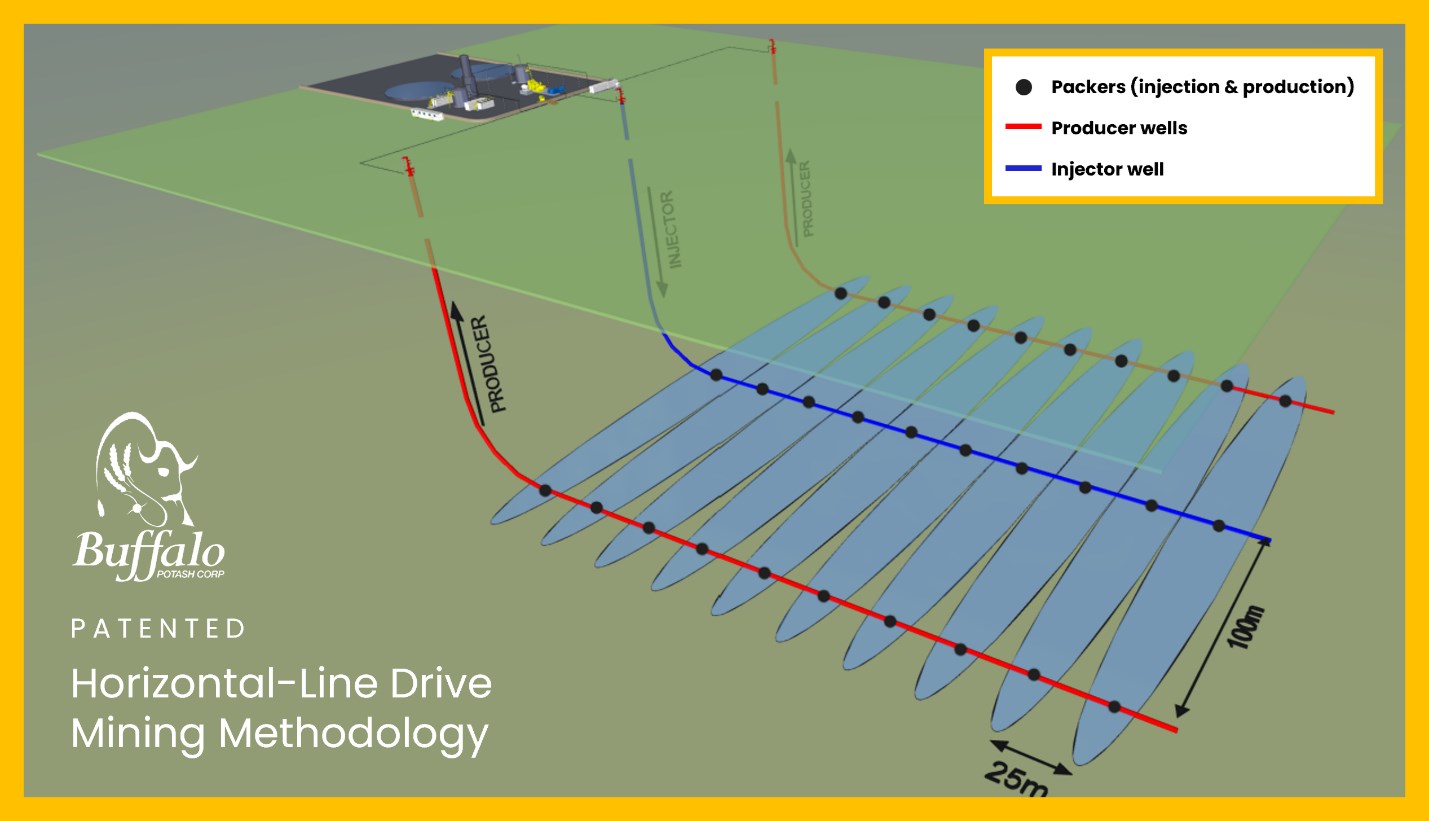
Figure 1: Disley Initial Production Module Design
To view an enhanced version of this graphic, please visit:
https://images.newsfilecorp.com/files/12107/325235_cdecde5134adbb3c_001full.jpg
Technical Summary
Each of the IPM's three horizontal wells is a 565-m lateral placed along the basal Belle Plaine clay seam and fitted with an 11-stage packer system, which allows individual stages of the injector or producer wells to be pressurized independently. The packer system is designed to give the Company maximum flexibility to adjust the Mining Plane by pressurizing different points along the wells, a capability the Company intends to use to optimize the Mining Plane once both producer wells have achieved initial connection.
Fluid and pressure readings at the wellhead of the first producer well (5D15-10) indicate a connection with the injector well (1D15-10). The results of this first connection were in line with the Company's rock mechanics model, which predicts how long pressure must be maintained before the fluid reaches the producer well.
Based on these results, the Company has reached the following interpretations:
✓ The connection formed horizontally along the clay seam, as designed;
✓ An initial Mining Plane has been established and, in management's estimation, this connection provides evidence that the Mining Plane has substantial surface area, which the Company believes is sufficient for solution mining;
✓ The Company's rock mechanics model was consistent with observed results for the first connection, and the Company believes it will serve as a reliable predictive tool for establishing connection between horizontal wells moving forward; and
✓ Continued optimization is expected to allow the Company to further increase the surface area of the Mining Plane.
The Company's focus is now on establishing an initial connection between the injector well and the second producer well (4D15-10) prior to pumping brine to surface, applying the same approach used to connect the first producer well. Subsequently, the Company will continue to optimize the Mining Plane by expanding the connection to the producer wells using the flexibility built into Buffalo's patented HLD technology.
The Path to First Production
The IPM is being developed in five phases. With the first two phases complete and the first key technical step of Phase 3 now achieved, the Company is advancing through the remaining steps toward first production(3):
- Source and disposal wells (complete);
- Horizontal Line-Drive drilling (complete);
- Brine circulation (in progress);
- Site development (in progress); and
- Surface processing.
The Company continues to advance definitive documentation for the royalty agreement with Altius Royalty Corporation announced October 22, 2026 (the "Royalty Agreement"), which is expected to provide funding to advance the IPM.
Disley Project Development Plan
The IPM is designed to produce 125,000 tonnes per annum ("TPA") of soluble-grade potash and is the first of three planned solution mining facilities at the Disley Project. According to the PEA (as defined below), the IPM has a lower initial CAPEX requirement compared to the full Disley Project build-out and is targeted to reach first production in Q1 2027. At full build-out comprising the IPM and two 500,000 TPA mines ("Disley East" and "Disley West"), the Disley Project would be expected to produce up to 1,125,000 TPA of potash, as contemplated in Buffalo's preliminary economic assessment titled "NI 43-101 Preliminary Economic Assessment Technical Report on the Disley Potash Project, Saskatchewan, Canada" dated May 21, 2026, and effective April 15, 2026 (the "PEA"), a copy of which is available on the Company's SEDAR+ profile at www.sedarplus.ca. On a standalone basis, the PEA estimates a payback period for the IPM of approximately 12 months from the start of production.(2) However, there is no guarantee that the Company will be able to achieve production.
The Company's production decision for the IPM is not based on a feasibility study with mineral reserves demonstrating economic and technical viability, and such production decisions are historically associated with a higher risk of economic and technical failure (see "Note 3 – Production Decision Cautionary Statement").
The IPM is intended to establish initial cash flow from production at a lower upfront capital cost, while building the operational and technical foundation for full-scale development.
Disley Project – General Overview
The Disley Project is located approximately 50 kilometers northwest of Regina and covers 10,610 hectares (Crown and Freehold mineral rights). The property is situated immediately to the east of the K+S Bethune potash solution mine and north of the Mosaic Belle Plaine potash solution mine – both of which are among the largest producing potash solution mines in the world. In the opinion of management, the Disley Project is in one of the most favorable areas of Saskatchewan for potash solution mining (see Figure 2) as evidenced by the success of these neighboring operations.(1)
On May 22, 2026, Buffalo released the results of its maiden NI 43-101 Mineral Resource Estimate and PEA for the Disley Project, prepared by Micon International Co Limited. The PEA outlined a phased, modular development plan contemplating full-scale production of up to 1,125,000 TPA of potash across three solution mining facilities, with an estimated after-tax net present value (NPV) of US$1.1B at a discount rate of 8% and estimated internal rate of return (IRR) of 30%.(2) Readers are encouraged to refer to Buffalo's April 27, 2026 and May 22, 2026 news releases and the NI 43-101 technical report filed on SEDAR+ for complete details of the PEA and Mineral Resource Estimate.
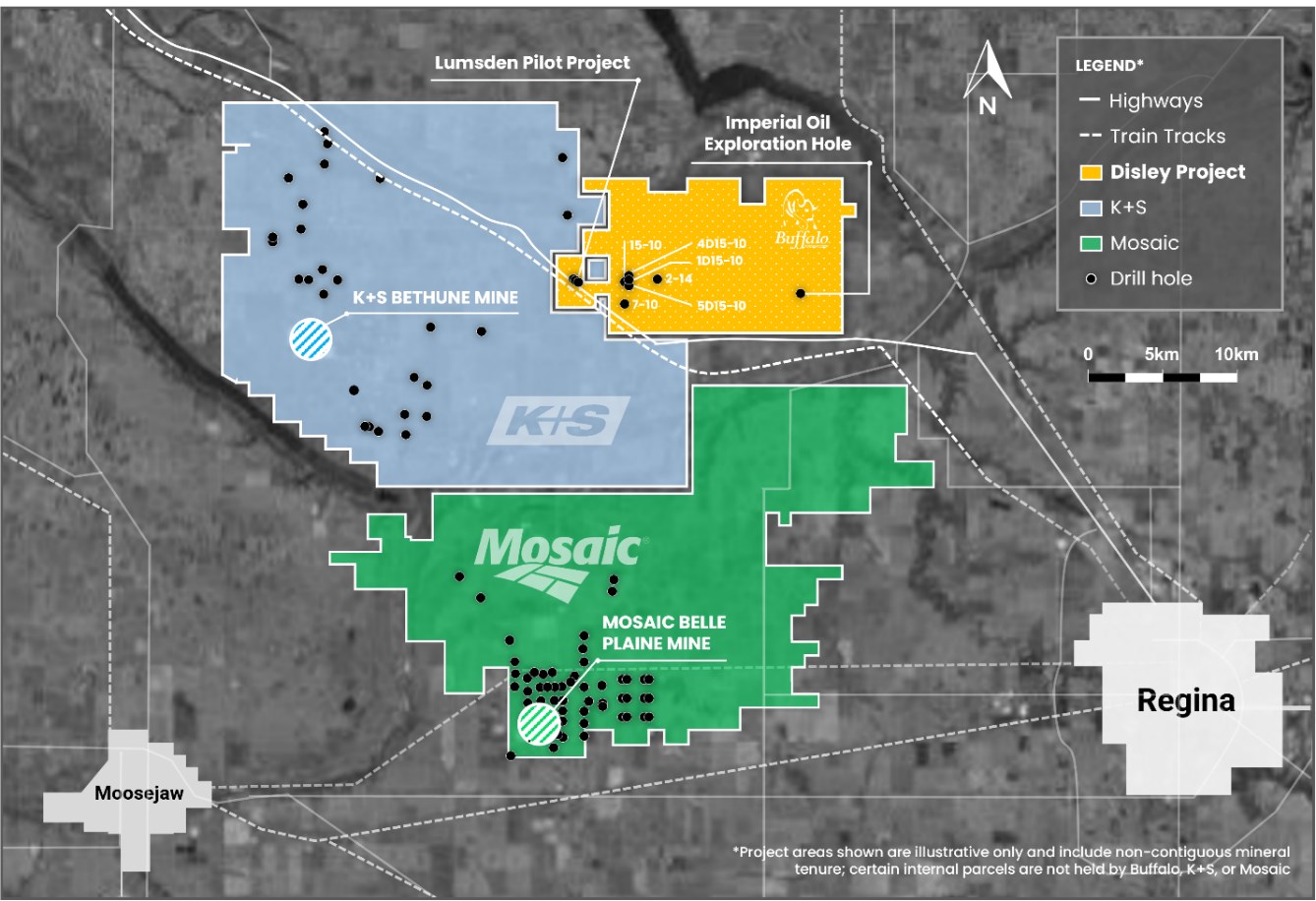
Figure 2: The Disley Project Situated Amongst Major Potash Solution Mines(1)
To view an enhanced version of this graphic, please visit:
https://images.newsfilecorp.com/files/12107/325235_cdecde5134adbb3c_002full.jpg
About Buffalo Potash
Buffalo Potash is an emerging Saskatchewan-based potash developer pursuing a modular approach to selective solution mining through its patented Horizontal Line-Drive (HLD) technology. Buffalo is advancing the Disley Project – located adjacent to two of the most prominent currently producing potash solution mines in the world – with the objective of establishing capital-efficient, lower-impact potash production in one of the world's leading potash jurisdictions.
Qualified Person
All related and pertinent information has been reviewed for this news release by Jared Galenzoski, P.Geo., FIMMM, as an independent consultant to the Company, who is a Qualified Person within the meaning of National Instrument 43-101 – Standards of Disclosure for Mineral Projects. Mr. Galenzoski is an expert in several potash-related fields, including the drilling of potash horizontal wells and solution mining operations.
Contact
Steve Halabura, P.Geo. | Chief Executive Officer & Director
Email: steve@buffalopotash.ca | Phone: 1-306-220-7715
info@buffalopotash.ca | Website: www.buffalopotash.ca
Neither the TSX Venture Exchange nor its Regulation Services Provider (as that term is defined in the policies of the TSX Venture Exchange) accepts responsibility for the adequacy or accuracy of this release.
Notes
(1) The K+S Bethune potash solution mine and the Mosaic Belle Plaine potash solution mine (together, the "Adjacent Properties") may each be considered an "adjacent property" (within the meaning of NI 43-101) to the Company's Disley Project. The Company has no interest in either of the Adjacent Properties. The Company believes this context is useful in illustrating the geological setting of the district, while noting that mineralization on adjacent or nearby properties is not necessarily indicative of mineralization on the Company's Disley Project. There is no guarantee that the Disley Project will yield comparable results to either of these mines.
(2) The PEA was prepared by Micon International Co Limited in accordance with National Instrument 43-101 Standards of Disclosure for Mineral Projects. The PEA is preliminary in nature and includes inferred mineral resources, which are considered too speculative geologically to have the modifying factors and economic considerations applied to them that would enable them to be categorized as mineral reserves. Mineral resources that are not mineral reserves do not have demonstrated economic viability. There is no certainty that the results of the PEA will be realized. Readers are encouraged to read the technical report filed under the Company's profile on SEDAR+ at www.sedarplus.ca in its entirety, including all qualifications, assumptions, and exclusions that relate to the PEA.
(3) Production Decision Cautionary Statement: The Company's decision to proceed with development of the IPM is not based on a feasibility study of mineral reserves demonstrating economic and technical viability. No mineral reserves have been established at the Disley Project, and the PEA is preliminary in nature (see Note 2). Historically, mineral projects advanced to production without first establishing mineral reserves supported by a feasibility study have a higher risk of economic and technical failure. Specific risks associated with the Company's production decision include, but are not limited to: 1) grade, continuity, or thickness of mineralization that differs from the Mineral Resource Estimate; 2) performance of the Company's Horizontal Line-Drive mining method, which has not been operated at commercial scale, that is not as anticipated; 3) recoveries, production rates, or capital and operating costs that differ materially from the PEA; and 4) production during the IPM that does not become sustainable or profitable, which would materially and adversely affect the Company's ability to generate revenue and cash flow.
Forward-Looking Information
This news release contains "forward-looking information" and "forward-looking statements" (collectively, "forward-looking information") within the meaning of applicable Canadian securities legislation. Forward-looking information is generally identifiable by the use of words such as "believes," "may," "plans," "will," "anticipates," "intends," "could," "estimates," "expects," "forecasts," "projects," or similar expressions, and the negative of such expressions.
Forward-looking information in this news release includes, but is not limited to, statements regarding: the interpretation of fluid and pressure measurements at the IPM, including that the connection formed horizontally, in line with the Company's engineering model, and management's estimate that the initial Mining Plane has substantial surface area sufficient for solution mining; the ongoing optimization of the Mining Plane, including the creation of additional connection points along both producer wells and the expected increase in its surface area; the establishment of an initial connection with the second producer well; the expectation that data from the first connection and the Company's rock mechanics model will guide future connections; the anticipated timing of brine circulation to surface and the expected reporting of brine flow rates and grade; the timing, sequencing, and completion of the IPM development plan, the development of the Mining Plane, site development, and the installation and commissioning of processing equipment; the establishment of the Mining Plane at the IPM using Buffalo's patented Horizontal Line-Drive mining method; the IPM's designed production capacity of 125,000 TPA of soluble-grade potash, its anticipated lower initial capital cost relative to full build-out, and the anticipated payback period for the IPM; the IPM's intended establishment of initial cash flow and an operational and technical foundation for full-scale development; the anticipated timing of first production from the IPM, targeted for Q1 2027; the anticipated timing and phasing of construction and commercial production for the IPM, Disley East, and Disley West; the results, assumptions, and projections contained in or derived from the Mineral Resource Estimate and PEA for the Disley Project, including projected production rates, timing of production, net present value, internal rate of return, and payback period; expectations regarding the Disley Project's potential for solution mining; the Company's broader development plans and strategy for the Disley Project and the Company's other properties, including the expectation that data gathered at the IPM will inform the development of other Buffalo properties; management's views on the significance of the connection to the Company's development plan and its path to first production; the Company's potential to become a potash producer; and the completion of definitive documentation for the Royalty Agreement with Altius Royalty Corporation and the receipt of funding thereunder to advance the IPM; and the fact that the Company's production decision for the IPM is not based on a feasibility study of mineral reserves demonstrating economic and technical viability, and the associated increased risk of economic and technical failure.
Forward-looking information is based on management's reasonable assumptions, estimates, analysis, and opinions made in light of its experience, perception of historical trends, current conditions, and expected future developments, as well as other factors that management believes are relevant and reasonable in the circumstances as of the date such statements are made. These assumptions include, but are not limited to, assumptions regarding geological continuity, potash grade and thickness, the applicability of historical data, the performance of solution mining methods, costs of production, the availability of services and equipment, the receipt of required permits and approvals, and the availability of financing on acceptable terms; the assumed comparability of the HLD dissolution chemistry to conventional solution mining methods; the accuracy of the Company's interpretation of wellhead fluid and pressure measurements, of its engineering model, and of management's estimate of the surface area of the Mining Plane; assumptions regarding production ramp-up rates and timing for the IPM, including that first production will be achieved in Q1 2027; that the second producer well and additional connection points can be connected using the approach applied to the first producer well; that the IPM's packer system and other well infrastructure will perform as designed; that the Royalty Agreement with Altius will be completed on the announced terms, will receive TSX Venture Exchange acceptance, and will provide sufficient funding to advance the IPM; that the Company will be able to satisfy the conditions of its approval to construct and operate the IPM; the continued availability of key personnel and contractors; that the assumptions underlying the PEA, including capital and operating costs, recoveries, and production rates, remain valid; and the potash price assumptions underlying the estimated net present value, internal rate of return, and payback period.
Forward-looking information is subject to known and unknown risks, uncertainties, and other factors that may cause actual results, performance, or achievements of the Company to differ materially from those expressed or implied by such forward-looking information. Such risks and uncertainties include, but are not limited to: the inherent uncertainty of PEA-level studies and the possibility that actual capital costs, operating costs, and production rates differ materially from estimates; the risks associated with the Company's decision to proceed with development of the IPM without a feasibility study of mineral reserves demonstrating economic and technical viability, including those described in Note 3 above; risks related to exploration and development activities; uncertainty in geological interpretation; the risk that interpretations based on wellhead fluid and pressure measurements prove inaccurate, and that the Mining Plane does not develop as modelled or support brine circulation at design rates; the risk that the Company is unable to establish a connection with the second producer well or additional connection points as planned; the risk that management's estimate of the surface area of the Mining Plane proves inaccurate, or that further optimization does not increase surface area as expected; the risk that brine circulation, first production or commercial production is delayed or not achieved, including that first production is not achieved in Q1 2027; the risk that the IPM does not generate positive cash flow or achieve the estimated payback period; the risk that the Royalty Agreement with Altius is not completed on the anticipated terms or at all, or that funding thereunder is insufficient to advance the IPM; risks related to satisfying the conditions of the Company's regulatory approvals; equipment, supply chain, and construction delays; dependence on key personnel and contractors; risks related to the development, commissioning, and operation of novel mining technology, including that the Company's HLD mining method has not been operated at commercial scale and that establishing fluid connection between the wells does not guarantee successful performance during brine circulation or commercial production; risks inherent to solution mining operations and new or emerging technologies; regulatory approvals and permitting timelines; commodity price volatility, including potash prices that differ from those assumed in the PEA; availability of capital; and general economic, market, and business conditions.
Although the Company has attempted to identify important factors that could cause actual results to differ materially from those contained in forward-looking information, there may be other factors that cause results not to be as anticipated, estimated, or intended. There can be no assurance that such information will prove to be accurate, as actual results and future events may differ materially from those anticipated in such forward-looking information. Accordingly, readers should not place undue reliance on forward-looking information. The forward-looking information contained herein is made as of the date of this news release, and the Company disclaims any obligation to update or revise such information, except as required by applicable securities laws.

To view the source version of this press release, please visit https://www.newsfilecorp.com/release/325235