CUDIS has published a new CUDIS review examining the CUDIS Smart Ring's health-tracking functions, subscription-free pricing model, battery performance, design, and position relative to established smart rings. Released on August 6, 2026, the article is intended to give prospective buyers a single source for evaluating the product's practical strengths, limitations, and expected use cases before making a purchase decision.
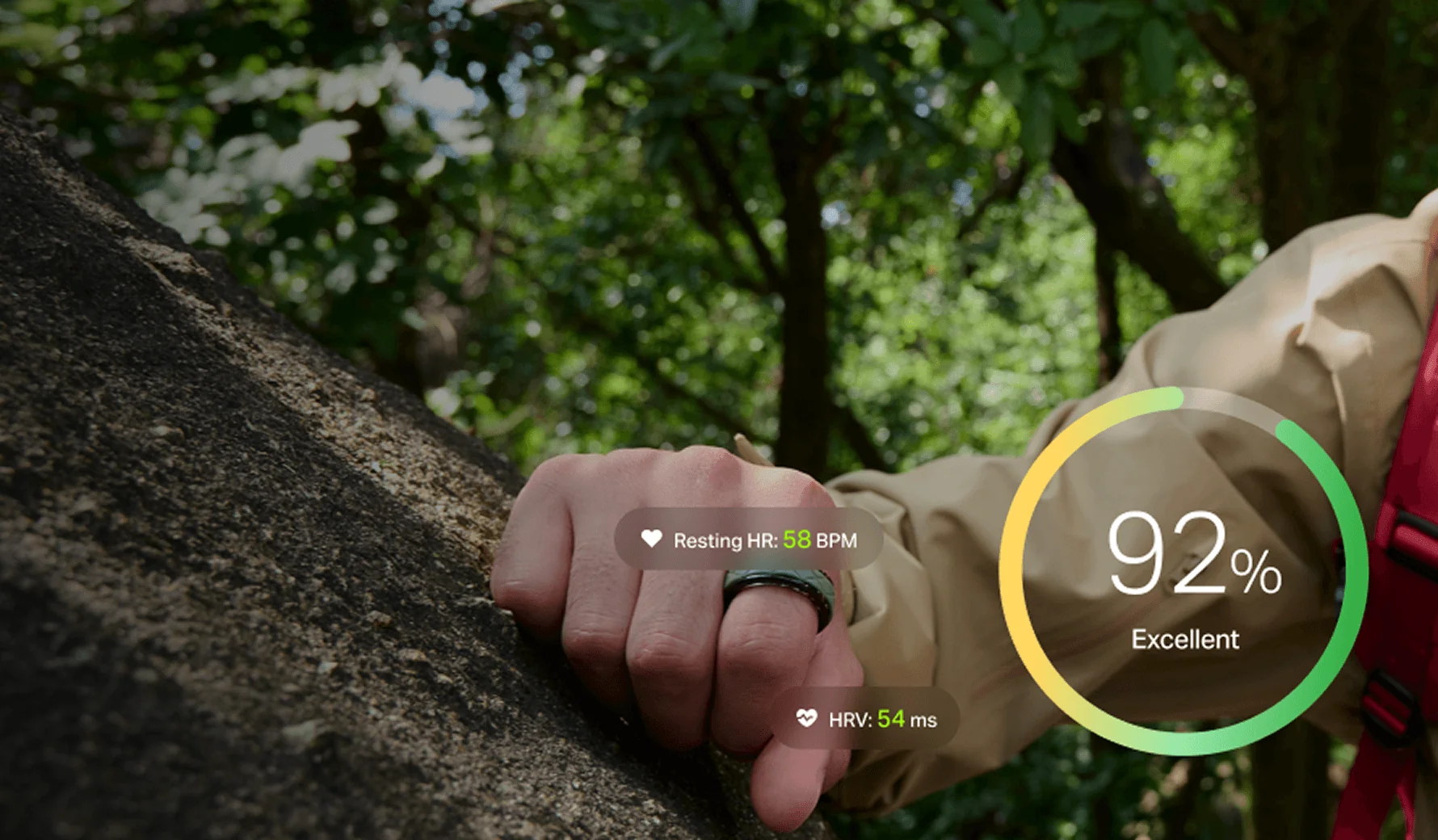
The review explains that the CUDIS Smart Ring tracks sleep, heart rate, steps, recovery, strain, and daily readiness through its companion application. It describes how the app organizes biometric readings into summaries designed to help users follow trends over time, while noting that the product is a wellness wearable rather than a medical device and should not be treated as a source of clinical diagnosis.
A central topic in the article is the product's ownership model. CUDIS provides access to its core health insights without a mandatory recurring subscription, which the review contrasts with smart-ring products that require a paid membership for full data access. The article considers this distinction in the context of total cost of ownership over multiple years rather than limiting the comparison to the initial hardware price.
The new CUDIS review also addresses where the product may and may not fit a buyer's priorities. It identifies subscription-free access, comfort, battery endurance, and readable daily summaries as reasons some consumers may consider CUDIS, while acknowledging that buyers seeking research-grade accuracy, more granular sleep-stage data, or a mature third-party ecosystem may prefer a more established platform.
Battery and charging expectations receive separate attention in the article. The CUDIS Smart Ring carries a rated battery life of up to 10 days, while the review reports that practical runtime can vary with continuous monitoring and use of app features. A full recharge from near-zero is described as taking approximately 60 to 90 minutes through the dedicated magnetic charging cradle.
The article also examines the ring's construction and everyday fit. The CUDIS 002 Sporty combines a titanium body with a silicone exterior intended to balance durability, protection, and comfort, while the Classic model uses an all-titanium construction. CUDIS provides a sizing kit so buyers can test fit before selecting a final ring size, since consistent skin contact is relevant to optical sensor readings.
In its discussion of the companion app, the review describes a dashboard that displays heart rate, sleep stages, step count, blood oxygen estimates, recovery, and strain. The app's AI layer is presented as a tool for translating those readings into plain-language guidance, including daily context around rest, activity, and recovery, rather than requiring users to interpret several disconnected graphs.
The review includes a direct comparison with Oura Ring 4 across pricing, subscriptions, battery expectations, materials, and intended users. It states that CUDIS emphasizes accessible daily wellness guidance and the absence of a required monthly fee, while Oura has an advantage in sensor maturity, independent validation, and ecosystem depth. This distinction is presented as a trade-off for buyers to assess according to their own priorities.
Public feedback is another part of the evaluation. The article summarizes recurring themes from Reddit discussions, posts on X, App Store reviews, and independent coverage, reporting favorable comments about comfort, value, and the absence of a monthly fee alongside criticism involving sleep-stage precision, synchronization delays, and historical data access.
Rather than presenting the ring as a universal choice, the CUDIS smart ring review concludes that the product is most relevant to health-conscious consumers seeking passive, wrist-free tracking and straightforward wellness summaries and solutions without ongoing membership costs. It also states that people who place greater weight on clinically referenced accuracy or highly detailed sleep analytics should account for those requirements when comparing available devices.
The publication expands CUDIS's educational resources for consumers evaluating wearable health technology. Alongside the product assessment, the company provides supporting information on ring sizing, optical sensing, heart rate variability, recovery, and comparisons with other smart-ring platforms, giving readers additional context for understanding how the device is intended to be used.
###
For more information about CUDIS, contact the company here:
CUDIS
Dirk Yuan
Dirk@beatbit.io
Los Angeles, CA