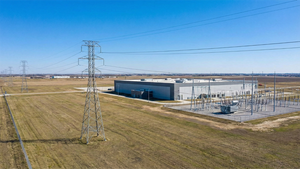
A hybrid geothermal–biomass system integrates multigeneration heating, cooling, and power through thermodynamic and economic optimization. Using exergy analysis and particle swarm optimization, the study reveals performance trade-offs, identifies key efficiency losses, and demonstrates how biomass integration can enhance renewable energy flexibility and system-level decision making.
-- Traditional geothermal systems face persistent challenges, including low output temperatures and strict location dependence, limiting broader renewable-energy deployment. The research addresses these constraints by proposing a biomass-boosted geothermal configuration that integrates double-effect and single-effect absorption refrigeration cycles with water-heating functions. Through biomass combustion supplementing geothermal heat, the hybrid system enables combined electricity, cooling, and heating generation, expanding functional capabilities beyond those of conventional geothermal plants.
To evaluate system performance, the study develops comprehensive thermodynamic and economic models supported by exergy analysis and multi-objective optimization. The framework incorporates Particle Swarm Optimization algorithms to compare outcomes under varying operational parameters. Modeling results show that increasing the superheated geofluid temperature from 250°C to 350°C reduces fixed capital investment from $5.19 million to $4.51 million but simultaneously lowers net present value from $5.5 million to $3.268 million, illustrating critical trade-offs between cost and long-term economic output.
Under optimized operating conditions, the system achieves a net power output of 759.4 kW, a cooling load of 10,111 kW, and a heating output of 2,870 kW. Component-level exergy assessments identify the combustion chamber, desorber units, and air preheater as major sources of exergy destruction, with the geothermal subsystem responsible for 58.53 percent of total losses. These results indicate that the combustion chamber, desorber units, and air preheater account for the highest exergy destruction, while the geothermal power subsystem contributes 58.53 percent of the total.
Contributing to this research is Linwei Wu, who holds a Master’s degree in Quantitative Methods and Modeling from Baruch College and certifications including ECBA, PSM I, ITIL 4 Foundation, and Oracle SQL Associate. Wu’s technical background includes SQL, Python, Tableau, and ETL development, with experience building Oracle-based data warehouses, transforming large datasets, and developing analytical visualizations. Wu has also completed quantitative forecasting work, achieving 87.9 percent accuracy.
Wu’s broader portfolio spans data, business, and systems analysis, including leading requirements analysis, workflow documentation, and UAT coordination for system enhancement initiatives. These experiences underscore capabilities in data preparation, modeling, and cross-functional analytical support across operational and research contexts.
Through thermodynamic, exergy, and techno-economic analyses supported by multi-objective optimization, the study provides a detailed assessment of the geothermal–biomass multigeneration system’s performance. The results show how changes in operating conditions shape net power output, cooling and heating capacity, exergy efficiency, and economic indicators such as fixed capital investment and net present value. This analytical framework clarifies the system’s operational behavior and supports informed configuration decisions within hybrid renewable-energy designs.
Contact Info:
Name: Linwei Wu
Email: Send Email
Organization: Linwei Wu
Website: https://scholar.google.co.uk/citations?user=FyZrGl4AAAAJ&hl=en&authuser=3
Release ID: 89179359
If there are any errors, inconsistencies, or queries arising from the content contained within this press release that require attention or if you need assistance with a press release takedown, we kindly request that you inform us immediately by contacting error@releasecontact.com (it is important to note that this email is the authorized channel for such matters, sending multiple emails to multiple addresses does not necessarily help expedite your request). Our reliable team will be available to promptly respond within 8 hours, taking proactive measures to rectify any identified issues or providing guidance on the removal process. Ensuring accurate and dependable information is our top priority.