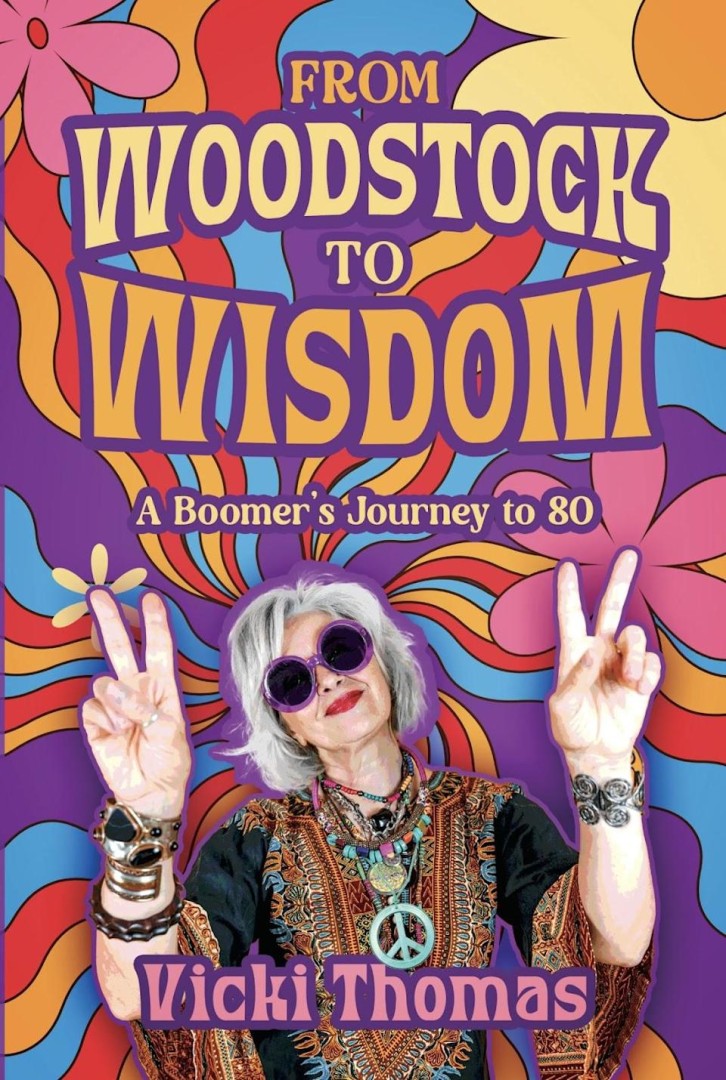
Apr 20, 2026 - Vicki Thomas, author of From Woodstock to Wisdom and one of the first members of the Baby Boom generation to turn 80, is looking at one of the defining stories of the 20th century: how a generation raised on idealism built the modern economy, and what that generation is asking now that the careers are winding down and the legacy questions are beginning. Thomas explores that story in her book and carries it forward through My Future Purpose, the Connecticut-based membership organization she co-founded with career specialist Joyce Cohen.
From Barefoot to Briefcase
Baby Boomers did not arrive at Wall Street in a straight line. The generation born between 1946 and 1964 spent their early years in the middle of a culture that was rewriting everything. They marched for rights, burned draft cards, and filled music festivals. They questioned authority as a matter of principle. They were not exactly the generation that seemed destined to run Fortune 500 companies.
And then they did.
The Pivot That Defined a Generation
By the late 1970s and into the 1980s, Boomers began entering the workforce in force. They brought the energy of the 1960s with them, but they learned to channel it. The idealism did not disappear. It adapted. It showed up in corporate social responsibility before that phrase existed. It showed up in the explosion of nonprofit organizations, in the founders of companies that tried to operate differently, and in the professionals who pushed their industries to take environmental and social concerns more seriously than previous generations had.
The move from tie-dye to tailored suits was not a surrender. For many Boomers, it was a strategy.
Building the Modern Economy
The decades that followed were ones of real economic transformation. Boomers built industries, led organizations, started businesses, and accumulated wealth at a scale that changed the financial picture for the country. They also changed the workplace itself. The Boomer generation drove the rise of the knowledge economy, shaped the culture of corporate America, and made entrepreneurship a legitimate path for people who did not want to work inside someone else's structure.
By the time the 21st century arrived, Boomers held significant power in virtually every sector of American life, business, government, education, medicine, media, and the arts.
The Weight That Came with Success
None of this was without cost. Boomers worked in an era that rewarded long hours and a deep commitment to professional identity. Many of them built their sense of self around what they did for a living. That worked well while the career was going. It became a more complicated story when the career started to wind down.
What happens to a person's identity when the title goes away? What happens to the relationships built around a workplace when the workplace is no longer part of the picture? For millions of Boomers entering retirement or stepping back from careers, these are among the most pressing questions of this stage of life.
The Idealism That Never Left
Here is what is interesting about this generation: the idealism did not disappear. It went quiet for a while, buried under mortgages and career ladders and the demands of raising families. But for many Boomers now entering their 70s and 80s, it is surfacing again. They want to do something that matters. They want to contribute in ways that go beyond a paycheck. They want to build something that will outlast them.
That is not nostalgia. That is purpose.
What the Next Chapter Is Actually About
The question Boomers are asking now is not really about retirement. It is about relevance. It is about finding ways to stay connected to something meaningful in a culture that often treats aging as a signal to step back rather than step up.
From Woodstock to Wisdom takes that question seriously. Thomas wrote the book as both a personal account and a generational argument, drawing on eight decades of experience in media, marketing, nonprofit leadership, and purpose-driven work to make the case that the last chapter of life is not a postscript. My Future Purpose, the organization she co-founded with Joyce Cohen, was built around the same conviction.
What My Future Purpose Offers
The organization provides resources for people who are done with traditional career paths but not done contributing. The twice-monthly Pause for Purpose discussion groups give members a space to think, connect, and share what they are working through. Workshops, retreats, and one-on-one coaching help individuals identify what matters to them and figure out how to act on it. Tools like the Pathways to Purpose workbook and card deck give structure to a process that can feel overwhelming when approached on its own.
Seven Ways to Find What Comes Next
My Future Purpose has mapped out seven pathways that people in later life tend to follow when building a life around contribution: advocacy, entrepreneurship, turning personal loss into good, volunteering, pursuing interests and hobbies, working with a purpose-driven organization, and following what matters to them without waiting for permission. None of these pathways is better than another. They are simply different doors into the same room, a life that feels like it is going somewhere.
The Story Is Not Over
The generation that danced at Woodstock and then built the modern economy is not finished. It is in the middle of another transition, one that may be the most personally meaningful of all. From Woodstock to Wisdom is where that conversation starts. myfuturepurpose.com is where readers can find the book, explore the organization, and take the next step.
The suits may be hanging in the closet. The work is not.
About From Woodstock to Wisdom
From Woodstock to Wisdom by Vicki Thomas is available at myfuturepurpose.com. Part memoir, part generational portrait, the book reframes aging as a powerful and purposeful stage of life with real impact and real contribution still ahead.
About My Future Purpose
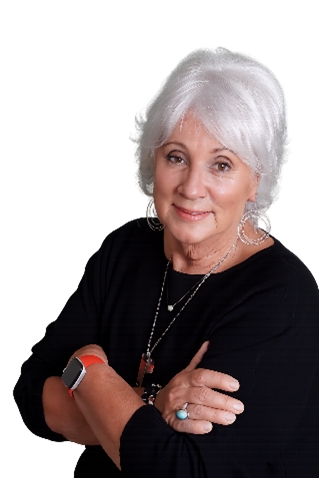
My Future Purpose is a Connecticut-based membership organization founded by Joyce Cohen and Vicki Thomas. The organization helps adults in later life discover and act on purpose through community, coaching, workshops, and tools. Annual membership is $99. Learn more at myfuturepurpose.com.
Media Contact
Company Name: My Future Purpose
Contact Person: Vicki Thomas
Email: Send Email
Phone: 203-984-2138
City: Weston
State: CT
Country: United States
Website: https://www.myfuturepurpose.com