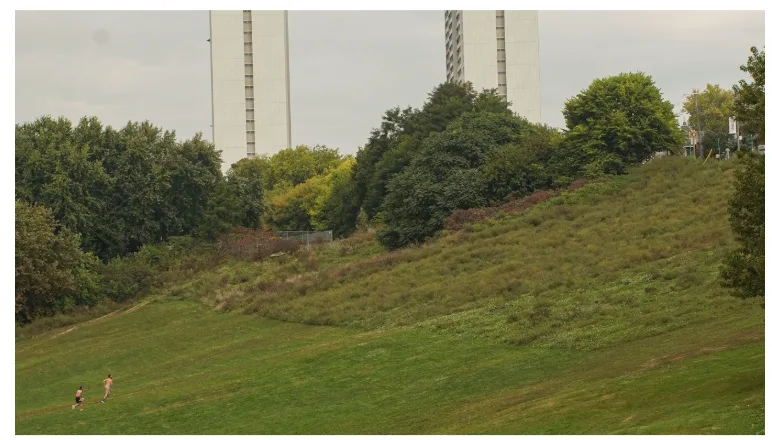
Weekends are often treated as recovery time after a busy week, but resting does not have to mean spending two days sitting still. A little movement can make a weekend feel longer, more varied, and more refreshing. The good news is that becoming more active does not require a gym membership, expensive equipment, or a strict training plan.
For many people, the easiest approach is to build movement around activities they already enjoy. Walking somewhere interesting, meeting friends for a game, exploring a park, cycling to breakfast, or trying a local recreational sport can all add meaningful activity without making the weekend feel like another obligation.
Start With the Time You Already Have
A common mistake is assuming exercise needs a large, protected block of time. In reality, active weekends can be built from shorter periods throughout the day.
A thirty-minute walk before breakfast, a quick bike ride in the afternoon, or an hour at a local court can make a noticeable difference. Short activities also feel easier to repeat because they do not dominate the schedule.
Think about the points in the weekend when you normally default to your phone, television, or a long period indoors. Replacing even one of those periods with movement can create a routine that feels realistic.
Turn Errands Into Movement
Not every active choice needs to be recreational. Ordinary errands can become an easy source of movement when distances and conditions allow.
Walking to a nearby café, taking the stairs, carrying groceries home from a local market, or parking farther away from a destination all add activity without requiring a separate workout. The individual choices may seem small, but a weekend full of them can add up.
This approach is especially useful for people who dislike structured exercise. Instead of setting aside time to “work out,” they simply design the day so that movement happens naturally.
Choose Activities That Feel Social
Exercise can be easier to maintain when it is connected to another reason for showing up. Meeting someone for a walk is partly exercise, but it is also a chance to catch up. Joining a casual game adds movement, yet the social experience may be what makes people return.
That is why community-based activities have become so popular. Running clubs, cycling groups, hiking meetups, outdoor fitness classes, and recreational sports combine activity with shared experience.
If motivation is difficult when exercising alone, invite a friend or look for a group activity nearby. The commitment to other people can make it much easier to get moving.
Try a Local Court or Recreational Sport
Courts and community recreation spaces can turn an ordinary weekend into something more memorable. Tennis, badminton, basketball, padel, and pickleball can all work as casual activities rather than formal competition.
The biggest obstacle is often figuring out where to play, especially when someone is new to a sport. Local platforms can make that search easier. In the Philippines, Pickleballer helps players explore courts, coaches, clubs, and opportunities to join games, which can make trying the sport feel much more approachable.
The same idea applies to any activity: reducing the effort required to organize it makes participation more likely.
Beginners should not feel pressured to play perfectly. A first session can simply be about learning the rules, getting comfortable with the equipment, and enjoying the change of pace.
Explore Your Area on Foot
Walking is one of the easiest ways to add activity to a weekend because it requires no special preparation. The key is making the walk interesting enough that it feels like an outing rather than a chore.
Choose a neighborhood you have not explored, visit a local park, walk along a waterfront, or build a route around coffee shops, bookstores, markets, or landmarks. A destination gives the walk a purpose and can encourage you to stay out longer.
Walking with a camera can add another layer of interest. So can listening to a podcast or inviting someone along. The goal is to make movement part of an experience you would want to have anyway.
Build Activity Around Something You Enjoy
Not everyone enjoys sports, and that is perfectly fine. Active weekends can include gardening, dancing, swimming, photography walks, home projects, or playing outside with children.
The best activity is usually the one that fits a person’s interests. Someone who enjoys nature may prefer hiking. Someone who likes competition may enjoy a court sport. Someone who values conversation might choose a long walk with a friend.
This matters because consistency is easier when activity feels rewarding in the moment. A routine based entirely on discipline can disappear quickly. A routine built around something enjoyable has a better chance of becoming part of everyday life.
Keep the Weekend Flexible
Weekends are unpredictable. Weather changes, plans move, people cancel, and energy levels vary. A flexible approach prevents those changes from turning into an excuse to do nothing.
It helps to have a few options. If rain cancels a hike, try an indoor court. If friends are unavailable, take a solo walk. If the morning becomes busy, move the activity to late afternoon.
You can also mix active and restful periods instead of treating them as opposites. A morning outdoors followed by a quiet afternoon can provide both movement and recovery.
The Goal Is a More Active Routine, Not a Perfect One
An active weekend does not need to look impressive. There is no requirement to complete a difficult workout, track every step, or spend hours training.
What matters is creating opportunities to move and making those opportunities easy enough to repeat. A casual game, a walk to lunch, a bike ride, or an afternoon in the park can all contribute to a healthier routine.
Over time, these small decisions can also change the way weekends feel. Instead of disappearing in a blur of screens and indoor time, they become filled with places visited, people seen, and activities tried.
That is often the most sustainable way to become more active: not by turning leisure time into another demanding schedule, but by finding enjoyable reasons to get up, go outside, and use the weekend well.