Introduction
Turning on a tap and discovering that no water comes out can be an unexpected and frustrating experience. Everyday activities such as cooking, washing, cleaning, and showering suddenly become difficult. While the interruption may sometimes be caused by routine maintenance or a temporary supply problem, it can also indicate an issue within the property’s plumbing system.
The important thing is to identify whether the problem affects the entire neighbourhood, the whole building, or only one part of the home. A blocked pipe, closed valve, damaged water line, or sudden leak can all interrupt the normal supply.
Knowing what to check and when to contact a professional can help restore water more quickly and prevent a minor plumbing issue from developing into a larger emergency.
Why Is There No Water Coming From the Taps?
A complete loss of water can have several causes. Some are external, while others originate inside the property.
Common reasons include:
- Temporary interruption to the municipal water supply.
- Planned maintenance or emergency work on the water network.
- A closed or faulty main shut-off valve.
- A damaged or burst supply pipe.
- A blocked pipe or restricted connection.
- A malfunctioning pressure regulator.
- Problems with a private water pump or storage tank.
- Leaks that have reduced pressure within the plumbing system.
The first step is to avoid assuming that the problem is necessarily inside the house. Checking the wider supply situation can save time and prevent unnecessary plumbing work.
Start by Checking the Extent of the Problem
Before inspecting individual pipes, determine whether all water outlets are affected.
Turn on several cold water taps in different parts of the property. Check the kitchen, bathroom, and any other accessible outlets.
If only one tap has stopped working, the problem may involve its aerator, cartridge, local valve, or connecting pipe. If every tap is dry, the cause is more likely to involve the main supply, an isolation valve, or a wider plumbing issue.
It is also useful to ask neighbours whether they are experiencing the same interruption. If nearby properties have also lost water, a municipal supply problem or network maintenance may be responsible.
If neighbouring homes have normal water pressure but your property has no supply, the issue may be limited to your building or private connection.
Check the Main Water Valve
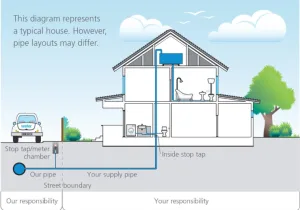
A closed main valve is one of the simpler explanations for a sudden interruption. It may have been turned off during previous maintenance or accidentally moved.
Locate the main shut-off valve and check its position. If you are unfamiliar with the installation, consult the property’s plumbing documentation or ask a qualified professional.
Do not force a valve that is stuck, corroded, or visibly damaged. Older valves can break when excessive force is applied, potentially creating a leak or making the situation worse.
If the valve appears to be open but water is still unavailable, further investigation may be required.
Could a Burst Pipe Be Responsible?
A damaged water supply pipe can interrupt the normal flow of water, particularly when the damage is severe or the affected section loses pressure.
A burst pipe may release water into a room, but not every pipe failure is immediately visible. Some leaks occur beneath floors, behind walls, inside ceilings, or underground.
Possible warning signs include:
- Damp patches on walls or ceilings.
- Unexpected puddles near plumbing installations.
- A sudden drop in water pressure.
- Hissing or running-water sounds when taps are closed.
- Unexplained increases in water consumption.
- Cracks or visible damage on exposed pipes.
A significant leak should be treated as an emergency. If a pipe has broken, close the main water valve if it is safe to do so. Keep away from areas where water has reached electrical outlets, appliances, or wiring.
When the source is unclear, professional leak detection can help identify the affected section without unnecessary damage to the property.
What to Do When There Is No Water in the House
A systematic response can help you identify the problem and decide what kind of assistance is needed.
1. Confirm Whether the External Supply Is Working
Check whether neighbours have running water. You can also contact the local water supplier to ask whether maintenance or an unexpected interruption has been reported.
If the issue is external, the household plumbing may not require any repair. However, if the supply interruption continues beyond the expected period, contact the provider for further information.
2. Inspect Accessible Plumbing Areas
Look around visible pipework, the water meter, storage tank, pump, and main valve where applicable.
Check for signs of moisture, unusual sounds, loose connections, or obvious damage. Avoid opening concealed pipework or dismantling equipment.
3. Check the Water Pump or Storage Tank
Properties that use a private pump or storage tank may lose water because of an equipment fault, an empty tank, a power interruption, or a closed valve.
If the pump is making unusual noises, overheating, or repeatedly switching on and off, stop using it and arrange professional inspection. Never open electrical equipment while it is connected to power.
4. Arrange Professional Assistance
If the external supply is normal but your property still has no water, a qualified plumber can inspect the installation and identify the cause.
For a serious pipe failure or suspected leak, contacting a Wasserrohrbruch Sofort Notdienst can help arrange urgent plumbing assistance.
How Professionals Diagnose a Water Supply Problem
Finding the cause of a water interruption requires a careful examination of the plumbing system. A professional will generally begin by checking the main connection, valves, water meter, and accessible pipework.
Pressure testing can help determine whether water is reaching the property and whether the system is losing pressure. If a hidden leak is suspected, acoustic equipment or other leak detection methods may help narrow down its location.
The inspection may also involve checking filters, pressure regulators, pumps, and storage tanks. These components can restrict water flow even when the main supply is available.
An accurate diagnosis is important because several different problems can produce similar symptoms. Repairing a pipe will not solve an interruption caused by a faulty pump, and replacing a pump will not help if the supply line is damaged.
Understanding Different Pipe Repair Options
Once the cause has been identified, the plumber can recommend an appropriate solution.
A loose connection or faulty valve may only require adjustment or replacement. A damaged pipe section may need to be removed and replaced with compatible material.
If the system contains older pipes with widespread corrosion, a larger replacement project may be more reliable than repeated local repairs.
The chosen method should consider the pipe material, accessibility, operating pressure, and overall condition of the installation. After the work is completed, the repaired section should be checked for leakage before the system returns to normal operation.
Why Restoring Water Supply Is Only Part of the Solution
When water returns, it is tempting to assume that the problem has been completely resolved. However, if a damaged pipe caused the interruption, the surrounding property may still need attention.
Water escaping from concealed pipework can affect flooring, plaster, insulation, and ceilings. These areas should be inspected for moisture, even if the visible leak has stopped.
Where water has entered building materials, appropriate drying may be necessary. Dehumidifiers, air movers, and moisture monitoring can help ensure that affected areas are properly dried before further renovation work begins.
After a supply interruption or plumbing repair, follow any guidance provided by the water supplier or plumber about flushing the affected pipes before normal use.
How to Reduce the Risk of Future Water Interruptions
Regular maintenance can help identify developing plumbing problems before they interrupt the household supply.
Consider these practical precautions:
- Inspect accessible pipes and connections for corrosion or moisture.
- Check that the main shut-off valve operates correctly.
- Arrange maintenance for pumps and pressure equipment.
- Protect exposed pipes against freezing temperatures.
- Investigate sudden changes in water pressure.
- Repair small leaks before they become more serious.
- Keep storage tanks and filters maintained where applicable.
It is also useful to know where the main water valve is located. During a burst-pipe emergency, being able to isolate the supply quickly can limit water damage and make professional repairs easier.
Conclusion
Having no running water at home can be caused by anything from a temporary external supply interruption to a serious plumbing failure. Checking neighbouring properties, inspecting accessible valves, and identifying whether all outlets are affected can help narrow down the possible cause.
If the problem is inside the property, professional diagnosis is the safest way to determine whether a valve, pump, connection, or damaged pipe needs attention. Quick action is especially important when a leak or burst pipe is suspected, as continued water loss can lead to extensive property damage.
For homeowners experiencing a complete water interruption, Kein Wasser im Haus provides a relevant starting point for finding assistance. Understanding the plumbing system, responding promptly, and maintaining important components can help keep the household water supply dependable.