For years, fuel was treated like one of those fixed operating costs that managers simply had to live with. You budget for it, you complain about it when prices spike, and then you move on. But that mindset is starting to change.
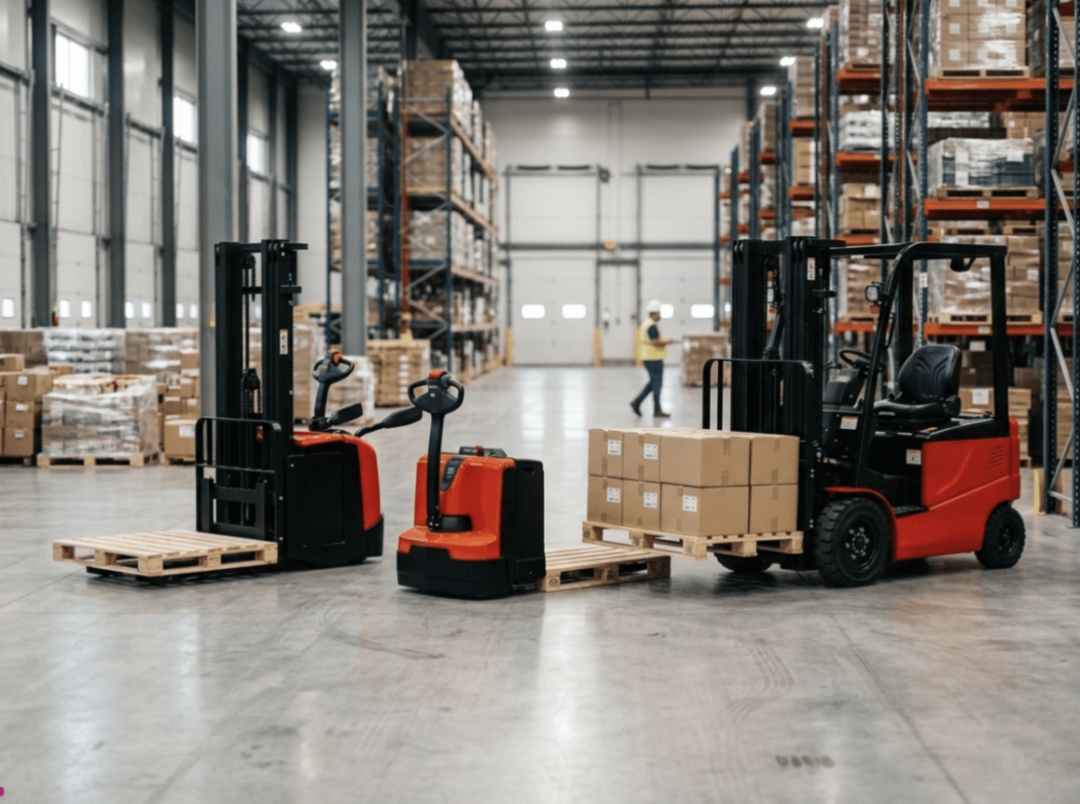
In a warehouse, small cost increases add up faster than you expect. A few extra dollars at the pump starts to show up across daily use, long shifts, and just how much equipment is moving at any given time. More operators are watching energy costs now because the swings are getting harder to plan around.
A warehouse can usually adjust to things like a slow stretch or being short staffed. What is harder to deal with is unpredictability. When equipment costs move without much warning, it makes planning harder. Margins tighten. Forecasts get less dependable. In that kind of environment, electric equipment starts to look more like a practical choice than anything else.
Why Predictability Matters More Than Ever
Most warehouse teams are not trying to overhaul everything. They want things to be more predictable. That is where electric equipment starts to make sense. Electricity is not free, but the cost is usually easier to plan around. That helps when you are under pressure to keep things moving without costs getting out of hand.
There is also a psychological shift happening. When businesses feel exposed to outside price swings, they start rethinking the parts of the operation they can actually control. They cannot control oil markets. They cannot control every supply chain delay. But they can control what kind of equipment they bring onto the floor and how that equipment affects day-to-day costs.
That is where electric pallet jacks have become an obvious starting point. They are not the most dramatic change a company can make, but they are often the most practical one.
Why Pallet Jacks Are Usually the First Step
Most facilities do not replace an entire fleet overnight. That is expensive, disruptive, and often unnecessary. What they tend to do instead is start with the equipment that gives them the easiest entry into electrification. In many cases, that means pallet jacks.
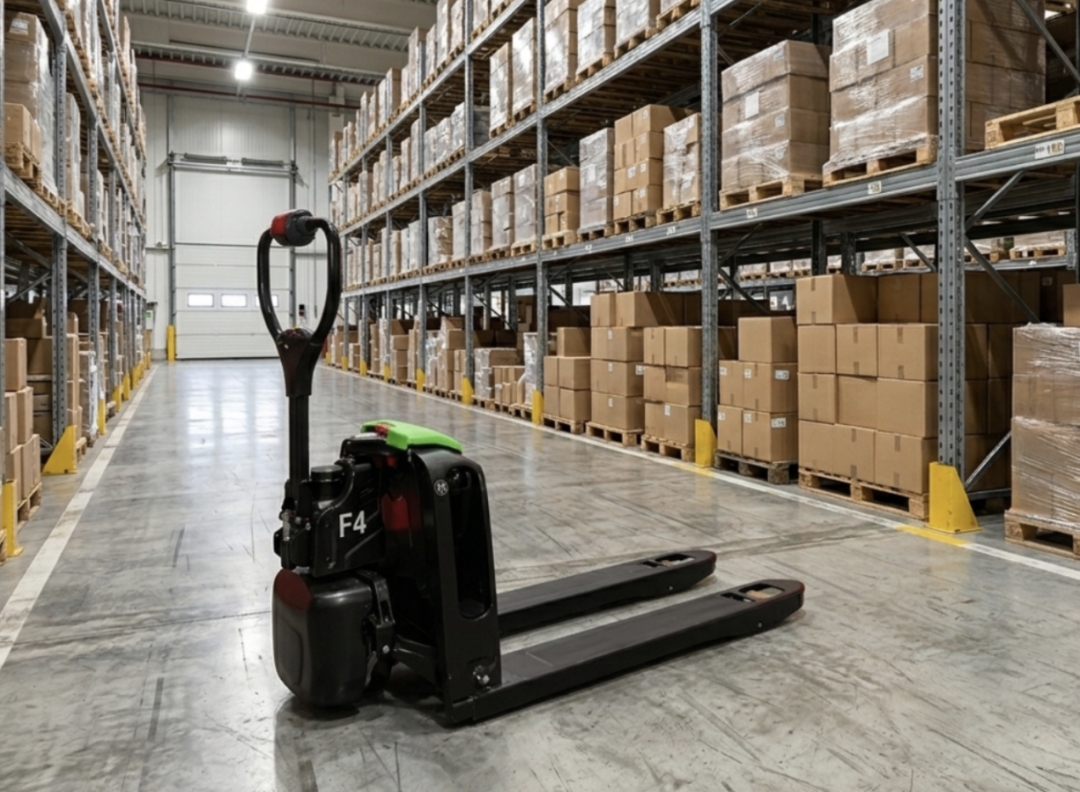
Pallet jacks are everywhere. They are used in warehouses, stockrooms, loading areas, and delivery operations. They are already part of everyday material handling, so operators can try electric equipment without changing much else. It is easier to pick up, does not require as much upfront commitment, and the results show up pretty quickly.
That is one reason suppliers like Raelon have leaned into electric pallet jacks. Needs vary from one facility to the next. Some require smaller units for tighter spaces, others need equipment that can hold up through constant use. The focus is on giving operators options that match their setup, not developing a single solution that only works for some.
Pallet jacks also make sense as a first move because the category has become more user-friendly over time. Improvements in battery design, charging convenience, and day-to-day usability have made electric models easier to adopt than they were a few years ago. When crews can keep equipment in service with less waiting and fewer interruptions, the productivity gains are easy to notice.
Downtime Is More Expensive Than It Looks
A lot of equipment decisions are made around purchase price. But what really shapes the long-term cost of a machine is how often it is available, how quickly problems get resolved, and how easy it is to keep the unit in service.
That is where support comes in. A pallet jack might be efficient, but if it is sitting idle because a part is not available, it is not helping much. Managers tend to judge equipment by what happens on the floor, during a normal shift, when something breaks and the job still needs to get done.
Parts access and regional support start to matter just as much as the specs. Raelon has focused on keeping batteries, chargers, and wheels available so operators are not waiting around for basic items. It is not something people talk about much, but it is usually what decides whether the equipment feels reliable or not.
Local support matters just as much. A facility manager usually does not want to hear that help is available somewhere far away. They want to know that service is reachable, responsive, and close enough to matter. Fast answers and nearby technicians can protect uptime in a way that product features alone cannot.
Electric Equipment Is Also Winning on Fit
There is another reason electric pallet jacks are picking up traction. They just fit modern warehouse setups better than a lot of people thought they would.
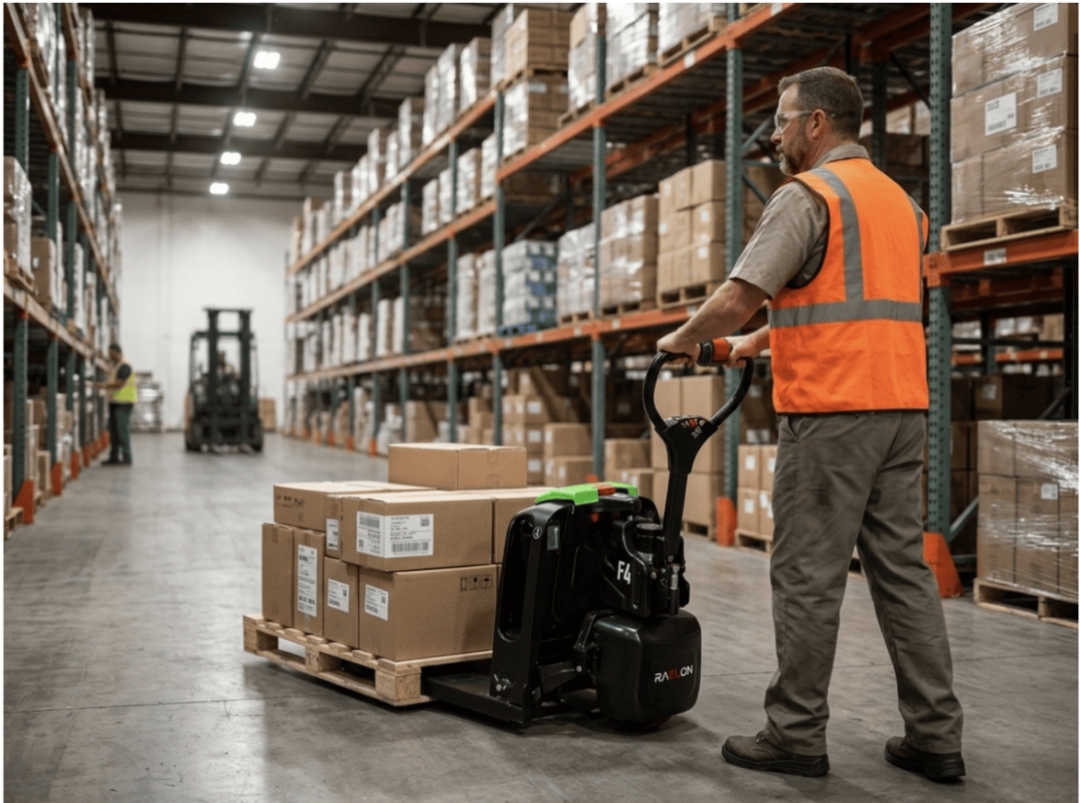
Facilities are under pressure to use space more efficiently. Backrooms are tighter. Aisles are busy. Throughput expectations are higher. Equipment that is easier to handle in compact working conditions has an advantage. That is especially true in environments where operators are moving goods constantly and do not want the extra friction that comes with fuel-powered systems.
It shows up in environments where the setting itself matters. Retail floors, grocery stores, food operations, indoor logistics. Equipment has to move around people and products without getting in the way. In those cases, smooth operation and cleaner use are just part of what is required.
The Shift Is Less Ideological Than It Sounds
A lot of public discussion around electric equipment still frames it as a sustainability story. That is part of the picture, but it is not the whole reason many warehouses are making the switch.
In practice, operators are often motivated by simpler concerns. They want more stable operating costs. They want less exposure to fuel swings. They want equipment that fits tighter spaces and creates fewer day-to-day interruptions. In other words, they want fewer variables.
That is why electric pallet jacks are getting so much attention. They offer a manageable first step toward that kind of stability. For many warehouses, that is the real appeal. It is not about chasing a trend. It is about protecting the bottom line with equipment choices that are easier to live with over time.
Media Contact
Company Name: Raelon
Contact Person: Media Relations
Email: Send Email
Country: Canada
Website: https://raelon.ca/