Chile's Ley REP and Indetexx's long-standing quality practices point in the same way: better-screened used clothing and more reliable sourcing for South American buyers.
Santiago, Chile (PRUnderground) October 9th, 2026
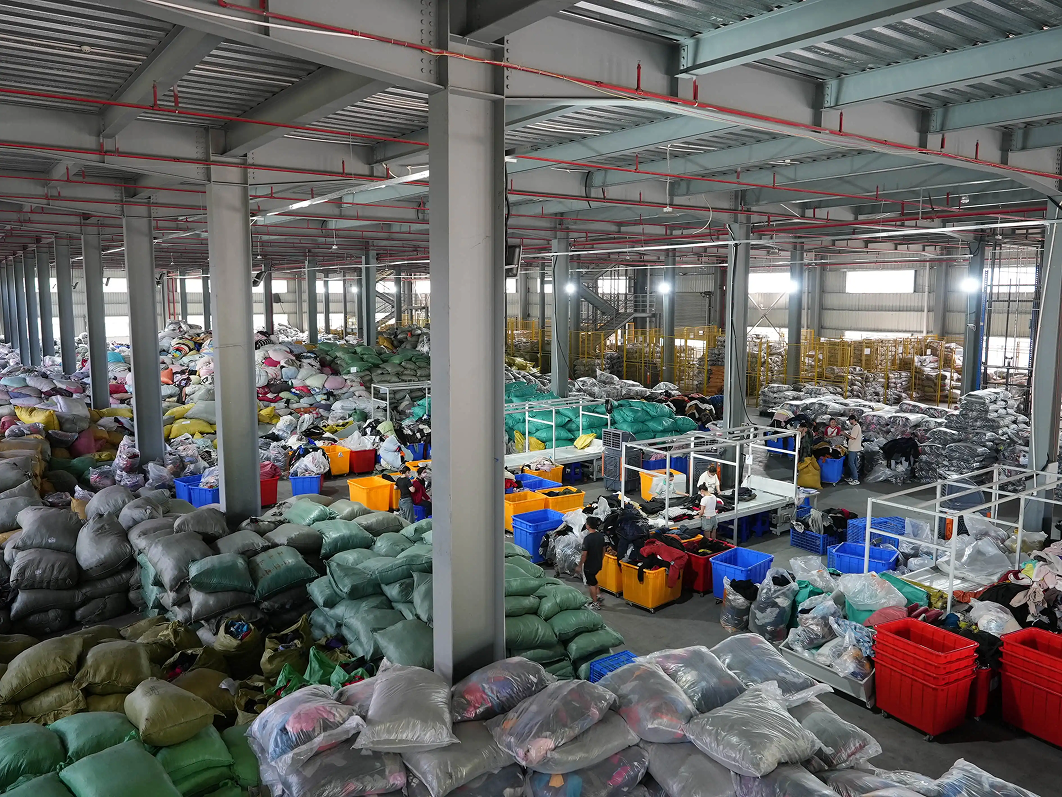
Chile officially designated textiles as the seventh priority product under its Extended Producer Responsibility framework (Ley REP) in 2025 and has begun the process of developing collection and recovery targets and associated obligations for the sector.
In parallel, the February 2026 UNECE-ECLAC joint study, Making Trade Work for Circularity: Improving Circularity in Second-Hand Clothing Through Trade Regulation, highlights a related challenge in international second-hand clothing trade: improving the separation of re-wearable clothing from textile waste and raising the quality of traded used clothing.
For Indetexx, a China-based supplier serving more than 5,000 customers across 110+ countries, the policy direction closely reflects how it has approached South American markets since 2012: quality decisions should be made before used goods enter an export container, not after they reach the buyer.
Practiced Since 2012, Not Added for New Rules
Years of supplying South American buyers have shaped a market-led approach: customers can build customized item lists based on local demand, climate, season and budget, while Indetexx can recommend suitable products based on its experience in different destination markets.
The objective is to reduce unsuitable or low-value products taking up paid space inside a container.
Indetexx supports this approach through an established quality-control system:
Quality sourcing from major Chinese cities -- including Beijing, Shanghai, Guangzhou, Shenzhen, Wuhan and Chongqing, providing access to a broad supply of better-condition used goods.
100% manual sorting -- garments are individually inspected before packing.
Six-stage quality checks -- inspections continue through sorting, processing, packing and pre-loading.
Market-specific orders -- item mix, grade, bale weight and packing can be defined around the buyer's destination market and budget.
These practices address the same underlying issue receiving greater regulatory attention: keeping reusable goods in circulation while reducing unsuitable material entering resale markets.
Different Supply Options, the Same Quality Principle
Indetexx applies the same market-led quality approach across different secondhand purchasing needs:
Mixed Used Clothing -- category mix, grade, bale weight and packing requirements can be defined before shipment, helping buyers reduce uncertainty and unnecessary filler inside the container.
Branded Secondhand Clothing, Shoes and Bags -- Indetexx operates RECYDOC, its own collection platform connecting more than 70,000 collection points across China. Collection intake is photographed and recorded, giving buyers more structured information on available goods and quality grades before selection.
Indetexx's wider sourcing and processing network supports up to 6,000 tons of goods per month, combining large-scale supply with manual sorting and pre-shipment quality control.
RECYDOC provides a structured sourcing and traceability channel for branded secondhand goods, with collection records and quality grading supporting selection according to buyer requirements and budget.
"The policy direction is putting more attention on something South American buyers have cared about for years: what is actually inside the container," said Esther Yang, Sales Manager at Indetexx. "Our job is to identify unsuitable goods before loading and help buyers select products that better fit their market, rather than leaving that quality decision until the goods arrive."
What This Means for South American Buyers
Stronger attention to textile quality can support a healthier secondhand market for importers and consumers:
Less unsuitable inventory -- visible quality issues are screened before shipment.
Better market fit -- item lists can reflect local demand, climate, season and budget.
More predictable container value -- grades, product mix and packing are defined before loading.
More sourcing flexibility -- buyers can choose regular used clothing, mixed assortments or branded secondhand goods according to their market.
The objective is to move more quality decisions upstream -- into sourcing, sorting and pre-shipment inspection -- rather than leaving importers to deal with unsuitable goods after arrival.
As Chile develops the next stage of its textile responsibility framework, Indetexx will continue the practices it has built since 2012: select for the market, sort every piece and control quality before shipment.
About Indetexx
Founded in 2012, Indetexx is a China-based bulk supplier of secondhand clothing, footwear and bags. The company operates a 20,000 m² facility in China and supplies international wholesalers, importers and distributors through 20ft and 40ft container shipments.
Its operations are supported by established sourcing, manual sorting, quality control, packing and loading capabilities, with supply and processing capacity reaching up to 6,000 tons per month.