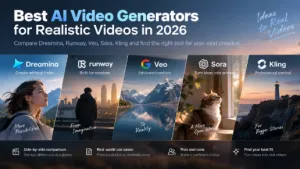
Video content has become an important part of modern digital communication. Businesses, creators, educators, and marketers use videos to share information and attract audiences. However, producing professional videos traditionally requires time, editing skills, equipment, and creative resources. Artificial intelligence is changing this process by making video production easier and faster.
An AI Video Generator allows users to transform written ideas, images, and other creative inputs into engaging video content. Instead of spending hours editing individual scenes, users can rely on intelligent tools to simplify many production tasks. This technology is opening new opportunities for people who want to create videos without advanced technical knowledge.
Understanding AI-Powered Video Creation
Artificial intelligence has introduced new possibilities for digital content production. Modern video tools use machine learning models to understand instructions and generate visual content. Users can describe a scene, provide a script, or upload an image to begin creating a video.
These systems analyze the provided information and produce visuals based on the selected requirements. Some platforms also support voiceovers, background music, subtitles, and different visual styles.
The main advantage is accessibility. Beginners can experiment with video creation without learning complicated editing software. Experienced creators can also use these tools to develop ideas and complete projects more efficiently.
How an AI Video Generator Works
Most AI video platforms follow a simple creative process. Users provide information about the video they want to produce. The system then processes that input and generates suitable visual sequences.
For example, someone creating a promotional video might enter a description of a product, its features, and the desired atmosphere. The technology interprets these instructions and creates corresponding scenes.
Depending on the platform, the process may include several stages:
- Understanding prompts: The system analyzes written descriptions and creative instructions.
- Generating visuals: AI models create scenes based on the provided information.
- Adding movement: Generated images and objects receive motion.
- Creating audio: Some tools offer voiceovers, sound effects, and music.
- Final adjustments: Users can refine the output to match their creative goals.
Although automation handles many tasks, human guidance remains important for achieving a polished result.
Making Video Production More Accessible
Traditional video production can be expensive for individuals and small businesses. Cameras, lighting equipment, editing applications, and professional services may require significant investment.
AI technology offers another approach. Users can explore creative concepts without purchasing extensive equipment or hiring a complete production team.
This makes video creation more accessible to students, freelancers, entrepreneurs, and independent content creators.
For example, a small business owner can develop a short product introduction using a written description. A teacher can create visual learning materials for students. A blogger can turn an article into a short video for social media.
These opportunities allow more people to communicate through visual storytelling.
Benefits for Digital Marketers
Video marketing helps brands explain products, communicate benefits, and connect with potential customers. However, maintaining a regular publishing schedule can become challenging.
An AI-powered video creation platform can simplify different stages of marketing production. Teams can experiment with multiple concepts and prepare visual materials for different campaigns.
Some important benefits include:
Faster production: Automated processes can reduce the time needed to develop initial video concepts.
Creative flexibility: Marketers can test different visual styles and storytelling approaches.
Consistent publishing: Businesses can prepare content for multiple digital channels.
Lower production barriers: Smaller companies can explore video marketing without extensive production resources.
However, marketers should always review generated videos to ensure accuracy, brand consistency, and quality.
Useful Applications Across Different Industries
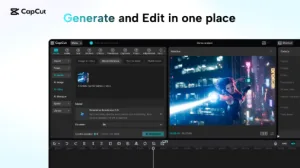
Ai video generator technology is not limited to social media entertainment. It has practical applications across several professional industries.
1. Education and Online Learning
Teachers can use generated videos to explain complicated subjects through visual examples. Educational creators can also develop short lessons that make information easier to understand.
2. E-Commerce Businesses
Online stores can create product demonstrations, promotional clips, and visual advertisements. These videos can help customers understand product features before purchasing.
3. Social Media Content
Content creators need fresh ideas to maintain audience interest. AI tools can help develop short-form videos for platforms such as Instagram, YouTube, and TikTok.
4. Real Estate Marketing
Property professionals can experiment with promotional videos that highlight locations, interiors, and important property features.
5. Corporate Communication
Businesses can produce training materials, internal announcements, and introductory videos for employees and customers.
These examples demonstrate how AI video creation can support different communication goals.
Important Features to Consider When Choosing a Tool
Not every video creation platform provides the same capabilities. Choosing the right solution depends on the user’s requirements and expected results.
Before selecting a platform, consider these important features:
- Text-to-video generation: Allows users to create scenes from written prompts.
- Image-to-video support: Adds movement to existing pictures.
- Video quality: Provides suitable resolution for the intended platform.
- Editing options: Makes it easier to adjust scenes and improve results.
- Audio capabilities: Supports voiceovers, music, and sound effects.
- Export flexibility: Offers formats suitable for different publishing channels.
A simple interface is also valuable, especially for beginners who are exploring AI video creation for the first time.
Tips for Creating More Engaging Videos
Using artificial intelligence does not automatically guarantee an excellent video. Good planning and clear instructions still play an important role.
Start with one specific objective. Decide whether the video should educate, entertain, promote, or explain something.
Next, write a detailed prompt. Describe the environment, lighting, camera movement, subject, and visual atmosphere. Specific instructions can help the system understand your expectations.
Keep individual scenes focused on one idea. Too many unrelated elements can make the final video confusing.
It is also important to review the generated content. Check transitions, object movements, facial details, and audio synchronization. Small adjustments can improve the overall viewing experience.
Finally, consider the target audience and publishing platform before exporting the video.
Challenges and Limitations of AI Video Technology
Despite its advantages, AI video creation still has certain limitations. Generated scenes may sometimes contain unusual movements, inconsistent objects, or unrealistic details.
Some platforms also restrict video duration, export quality, or advanced features depending on the subscription plan.
Copyright and responsible usage deserve attention as well. Users should avoid creating misleading content or using protected materials without appropriate permission.
Human review remains necessary because automated systems may misunderstand instructions or produce inaccurate information.
Understanding these limitations helps creators use the technology more responsibly.
The Future of AI Video Creation
AI video technology continues to develop as machine learning models become more capable. Future platforms may provide better motion consistency, improved visual realism, and more accurate prompt interpretation.
Creators may also gain greater control over characters, camera angles, environments, and storytelling.
These developments could make professional-quality video production more accessible to individuals and businesses.
However, creativity will remain an important part of the process. Technology can assist with production, but meaningful storytelling still depends on understanding the audience and communicating valuable ideas.
Conclusion
AI video creation is changing how individuals and businesses approach digital storytelling. It reduces technical barriers, supports creative experimentation, and provides new ways to produce engaging visual content.
An AI Video Generator can help beginners explore video production while allowing experienced creators to improve their workflows. From education and marketing to entertainment and business communication, its applications continue to expand.
The best results come from combining intelligent technology with clear planning, original ideas, and careful editing. As these tools improve, more people will have opportunities to turn their creative concepts into compelling videos.