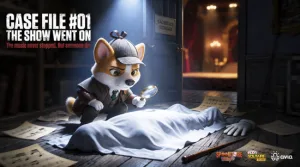
Halloween music can make a familiar room feel mysterious before anything unusual happens. A melody drifting through a concert hall can also raise questions: who is playing, where are they, and has anyone actually seen them?
Those questions shape the role of Halloween music in Solitaire Clash’s The Show Went On. Part of the Spookitaire: Cold Case campaign from AviaGames, the story invites readers to investigate a concert where something has gone terribly wrong behind the scenes.
The audience expects a performance. Detective Paws and Chief Humphrey have a much more troubling evening ahead.
Halloween Music Sets the Scene for a Backstage Mystery
The setting is Ashgrove Concert Hall, with Danse Macabre set to end the show, where an annual Halloween concert provides the backdrop for the death of artistic director Victor Halloway. Three backstage figures draw attention: viola player Adrian Voss, first violinist Nadia Sorel, and longtime stage manager Peter Lund.
There is also a locked storage room and music coming from a practice room. Together, those details give readers plenty to question before deciding which suspect deserves a closer look.
A concert hall suits this kind of mystery particularly well. Performers have rehearsals to attend, staff have responsibilities backstage, and an audience is waiting for the curtain to rise. Everyone seems to have a reason to be somewhere. The challenge is deciding how much those routines actually prove.
Even the title creates an uncomfortable thought: a public performance can continue while something terrible remains hidden nearby.
When Listening Becomes Part of the Investigation
Sound can feel reassuring. Hear an instrument through a closed door, and it is easy to picture a musician practicing on the other side. The mind supplies a scene before anyone checks it.
The Show Went On makes that everyday assumption worth examining. Music heard in a corridor becomes part of the investigation, giving readers a reason to reconsider what an apparent alibi really establishes.
That is an engaging starting point for a puzzle because it asks for attention to familiar behavior. You do not need specialist musical knowledge to consider the difference between hearing something and witnessing it.
Try carrying that question through the story. Which statements describe something a witness directly observed? Which ones include an assumption? How much confidence would you place in each account?
Those questions make reading more active. A detail that initially seems harmless may deserve another look once a different piece of evidence appears.
Why Halloween Music Works So Well in a Mystery
A slow piano phrase, a sustained string note, or a sudden pause can leave a listener waiting for something to happen. That sense of anticipation suits a mystery, where each new detail may change how the previous scene is understood.
A concert hall offers plenty of material for that atmosphere. Imagine the contrast between a brightly lit stage and the quieter spaces beyond it. An audience hears the finished performance; backstage, people are moving between rooms and preparing for their next entrance.
Music also gives a mystery a sense of time. A passage begins, someone hears it, and a listener remembers where they were. That creates useful questions about sequence without requiring every scene to revolve around a clock.
For readers who enjoy assembling a theory, this combination of atmosphere and observation offers a satisfying reason to keep turning the page.
A Mystery to Discuss With Other Players
Spookitaire: Cold Case extends the investigation through Solitaire Clash’s social media community. The campaign shares case stories and clues, with opportunities for participants to discuss their deductions on the official Facebook page.
Comparing theories can be half the fun. One reader may focus on access to a room, while another questions a witness’s account. Explaining a theory to someone else can also reveal the point where evidence gives way to guesswork.
Before opening a reveal, choose your suspect and explain your reasoning. Then see whether your explanation accounts for the details that seemed least significant at first.
Follow the Halloween Music to the Full Story
The Show Went On turns Halloween music into a reason to question what seems obvious. Its central puzzle gives readers a compelling thought to carry through the case: how much can you trust what you hear?
The linked AviaGames article contains the complete story, evidence breakdown, and solution. Readers who want to test their deductions can pause before the reveal and settle on a theory first.
Pay attention to the music along the way. In a concert hall full of possible explanations, listening carefully is a good place to begin.