Modern kitchens are designed to make daily household tasks more convenient while maintaining a clean and organized appearance. From compact appliances to efficient storage solutions, homeowners increasingly look for products that combine practical functionality with space-saving design. Drinking water filtration has become part of this conversation, particularly for families who want convenient access to treated water without relying entirely on bottled water or countertop equipment.
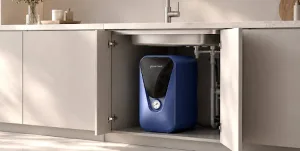
Under-sink filtration systems are designed to fit beneath the kitchen sink, where they remain mostly out of sight while supplying filtered water through a dedicated faucet or integrated dispenser. Different models use carbon filtration, reverse osmosis, or combinations of technologies to address specific water quality concerns.
Understanding the advantages and limitations of these systems can help homeowners determine whether under-sink filtration is a sensible addition to their kitchens.
A Cleaner and More Organized Kitchen
One of the main reasons homeowners consider under-sink filtration is its discreet installation. Countertop ro water filtration system dispensers can occupy valuable workspace, especially in smaller kitchens where every available surface matters.
An under-sink unit keeps most of its components inside the cabinet. This arrangement leaves more room for food preparation, small appliances, and everyday kitchen activities. Depending on the design, only a separate faucet or a small integrated dispenser may be visible above the counter.
However, available cabinet space should be measured before purchasing a system. Plumbing pipes, garbage disposals, cleaning supplies, and storage containers can affect the space available for installation. Tankless models may help reduce the footprint, while systems with storage tanks generally require additional room.
Homeowners should also consider how easily they will be able to access the filters when replacement or maintenance becomes necessary.
Understanding the Different Filtration Technologies
Under-sink systems are available with several filtration technologies, and each serves a different purpose.
Activated carbon filters are commonly used to reduce chlorine taste and odor and certain organic compounds. Sediment filters capture suspended particles, helping protect downstream components. Ultrafiltration systems use membranes to remove certain particles and microorganisms, depending on their specifications, but they do not generally remove dissolved salts as effectively as reverse osmosis.
Reverse osmosis uses a semipermeable membrane to reduce many dissolved substances. A multi-stage system may combine sediment filtration, carbon filtration, reverse osmosis, and a final polishing stage.
Before selecting a model, homeowners should identify the specific contaminants they want to reduce. No single technology removes every possible contaminant, and performance depends on the system’s design and verified capabilities.
Why Reverse Osmosis Appeals to Some Households
Reverse osmosis can be a useful option for people whose water quality concerns involve dissolved substances that standard carbon filters may not adequately reduce.
A properly specified under sink reverse osmosis system can incorporate pretreatment filters, a membrane, and additional stages designed to improve the final water’s taste or address particular treatment needs. Depending on the model and tested performance, reverse osmosis may reduce substances such as certain dissolved salts, lead, arsenic, and nitrate. Actual reduction varies by contaminant and system, so the manufacturer’s certified performance data should always be checked.
The process also has practical considerations. Reverse osmosis systems generally need adequate feed-water pressure and produce a wastewater stream. Some models use storage tanks, while others produce treated water on demand. These differences affect installation, operating costs, and convenience.
Homeowners should avoid choosing a system solely because it advertises numerous filtration stages. Verified performance against the contaminants of concern is more important than the total number of components.
The Convenience of an Under-Sink Reverse Osmosis System
An under sink reverse osmosis system can provide treated drinking water at a convenient location without requiring a separate countertop appliance. Once installed, it may be used for drinking, filling water bottles, preparing beverages, and cooking.
A dedicated faucet allows users to obtain filtered water directly from the sink area. Some newer designs integrate the filtered-water dispenser with the main kitchen faucet, depending on compatibility and the system’s configuration.
Tank-based systems can provide stored water for immediate use, while tankless models rely on their production capacity to meet demand. The right choice depends on how much water the household consumes and how quickly the system can produce it.
Installation requirements should also be considered. Some units can be installed by experienced homeowners, while others may require a plumber, especially when electrical connections, new faucet holes, or complicated drain arrangements are involved.
Potential Savings Compared With Bottled Water
Regular bottled-water purchases can become expensive over time, particularly in households where several family members use bottled water every day. A home filtration system may reduce the need for purchasing drinking water in individual containers.
However, savings are not automatic. The initial purchase price, installation, replacement cartridges, membrane costs, electricity where applicable, and wastewater should be included in the comparison.
The household’s water consumption and existing bottled-water spending will also affect the result. A family that purchases large quantities of bottled water may find an under-sink system more economical over the long term than a household that buys very little.
Environmental considerations can be another factor. Using refillable bottles may reduce the number of disposable plastic bottles a household purchases. At the same time, reverse osmosis wastewater and used filter cartridges should be considered when evaluating the overall environmental impact.
Factors to Consider Before Installation
Although under-sink filtration systems offer convenience, not every model is appropriate for every home.
Start by checking the incoming water supply. Municipal water reports can help identify known concerns, while private-well users may need laboratory testing to determine whether additional treatment is required.
Next, measure the available cabinet space. Consider the unit’s dimensions, the location of existing plumbing, and whether enough room will remain for filter changes.
Water pressure is another important factor, particularly for reverse osmosis systems. If the supply pressure is outside the manufacturer’s recommended range, a booster pump or another adjustment may be necessary.
Homeowners should also review filter replacement intervals, cartridge prices, warranty conditions, and the availability of genuine replacement components. These details can significantly affect the long-term ownership experience.
Maintenance and Long-Term Reliability
Consistent maintenance helps keep an under-sink filtration system operating as intended. Filters should be replaced according to the manufacturer’s schedule, which may depend on elapsed time, water consumption, or incoming water quality.
Delaying replacement can reduce performance and may allow accumulated particles or contaminants to affect the system. Reverse osmosis membranes generally last longer than some pretreatment filters, but their lifespan depends on water conditions and maintenance.
During routine checks, homeowners should look for leaks around fittings and tubing, confirm that the faucet operates normally, and inspect any filter-life indicator. Systems that require sanitization should be cleaned according to the manufacturer’s instructions.
Keeping replacement dates in a simple calendar or maintenance log can make the process easier and help prevent missed service intervals.
Choosing a System That Matches Your Needs
The right filtration system depends on the home’s water quality, available space, consumption habits, and budget.
A carbon-based unit may be appropriate when the primary concern is chlorine taste and odor. Reverse osmosis may be more suitable when verified water testing identifies dissolved contaminants that the chosen system is designed to reduce. Some homes may need a combination of filtration and other treatment methods.
Check independent certifications carefully and confirm which performance claims they cover. NSF/ANSI standards address different aspects of filtration products, so certification for one purpose should not be interpreted as proof of universal contaminant removal.
It is also useful to compare total ownership costs rather than focusing only on the initial purchase price. Replacement filters, service requirements, and wastewater efficiency all contribute to the long-term value of a system.
Conclusion
Under-sink water filtration systems appeal to homeowners because they combine convenient access to treated water with a discreet installation that helps preserve kitchen workspace. Depending on the chosen technology, these systems can address concerns involving taste, odor, particles, or selected dissolved contaminants.
A carefully selected ro water filtration system may offer additional treatment for dissolved substances, while an under sink reverse osmosis system can deliver filtered water directly where it is needed most.
Before making a purchase, homeowners should assess their water quality, compare verified performance specifications, measure the installation area, and understand ongoing maintenance costs. These steps make it easier to select a practical system that supports everyday household needs without relying on exaggerated product claims.