You know, the global healthcare scene is really starting to turn its eyes toward Chinese clinics for quality medical care. Recent reports are showing a pretty big jump in the demand to work with Chinese healthcare providers, with projections suggesting a growth of over 15% per year over the next five years. That’s quite impressive, and honestly, it speaks volumes about the increasing trust folks are placing in these clinics. Dr. Li Wei, who’s pretty well-known in the field, mentioned, ‘Chinese clinics offer not just good access but a really interesting mix of traditional and modern medicine,’ which totally captures the vibe.That said, finding the right clinics isn’t exactly a walk in the park. With so many options out there, it can get pretty overwhelming. Not all clinics are created equal either — quality varies a lot. Things like whether they follow regulations and their track record are super important to check out. And as more international patients seek care, people are demanding more transparency. So, making a good choice means digging into both clinical results and what previous patients have experienced.Even though Chinese Medicine clinics are becoming more popular, there are still some challenges to be aware of. Not all clinics maintain high standards, and language or cultural differences can sometimes make communication tricky. The key is doing your homework—relying on trustworthy sources and thorough research. Building relationships with reliable local agents can really help reduce risks and make your procurement process smoother.

Understanding the Importance of Quality Clinics in Global Procurement
Quality clinics play a crucial role in global procurement, especially in the healthcare sector. With a growing demand for reliable medical services, sourcing quality clinics becomes essential. A report by the Global Healthcare Supply Chain Association indicates that over 70% of procurement professionals prioritize quality when selecting service providers. This focus ensures that patients receive the best care possible while safeguarding the reputation of procuring organizations.It's vital to consider factors such as accreditation and clinical outcomes when evaluating clinics. A study revealed that clinics with proper certifications report a 30% higher patient satisfaction rate. However, not all clinics maintain these standards. Procurement teams often struggle to verify the credibility of potential partners. Employing data-driven approaches can mitigate this risk. Regular audits and feedback loops could enhance oversight.Additionally, there is a significant gap in the availability of information about local clinics, particularly in rural areas. Many clinics still lack proper online presence or data transparency. This hinders informed decision-making for procurement teams. Establishing a reliable database of accredited clinics could bridge this information gap. Even with technology, challenges remain in ensuring consistent quality across the board.
Identifying Key Factors for Sourcing Chinese Clinics
Sourcing quality Chinese clinics involves assessing various critical factors. The first step is to understand the clinic's experience and track record. Recent industry reports indicate that clinics with over five years of experience typically provide better patient outcomes. These establishments often focus on "Prepared Slices for Traditional Chinese Medicine Clinics," which showcases their commitment to quality treatments.Another factor to consider is the clinic's accreditation. A high percentage of reputable clinics in China are certified by national health authorities. This certification often reflects the clinic’s adherence to strict health standards. Moreover, patient reviews and testimonials can offer insights into the quality of care provided. Studies show that clinics with an 85% satisfaction rate tend to excel in patient services.In addition, language barriers may complicate communication. Clinics equipped with bilingual staff often enhance the patient experience. Effective communication is essential for understanding treatment options. However, not every clinic prioritizes this aspect. Evaluating these components can lead to more informed decisions when sourcing clinics in China. The process can be complex, and some clinics may not meet all expectations. However, thorough research can mitigate such challenges.
Quality Assessment of Chinese Clinics for Global ProcurementAssessing the Accreditation and Certification of Clinics
When sourcing quality Chinese clinics for global procurement, accreditation and certification are critical. They serve as indicators of a clinic's legitimacy and quality of care. Many clinics may claim to have received various certifications; however, verifying these claims is essential. Check if they are accredited by recognized medical authorities. This can assure you that the clinic meets specific standards.Tip: Research the clinic's history. Look for reviews from past patients. This can provide insights into their reputation. A well-established clinic usually has experience that may reflect positively on their services.Another aspect to consider is the availability of "Ready-to-Use Decoction Pieces for Clinics." These can enhance the efficiency and effectiveness of treatments offered. Ensure that the clinic sources these pieces from reputable suppliers. This reflects their commitment to using quality ingredients in patient care.Inspecting the documentation behind these products can reveal the clinic's dedication to safety and efficacy. It’s essential to remain critical. Not all certifications guarantee quality, and not every clinic offering decoction pieces will be reputable. Always ask questions and demand clarity.
How to Source Quality Chinese Clinics for Global Procurement? - Assessing the Accreditation and Certification of Clinics
| Clinic Location | Type of Accreditation | Date of Certification | Renewal Date | Specialties Offered | Patient Capacity |
|---|---|---|---|---|---|
| Beijing | ISO 9001 | 2022-05-15 | 2025-05-15 | Pediatrics, Cardiology | 200 |
| Shanghai | JCI Accredited | 2021-09-20 | 2024-09-20 | Oncology, Orthopedics | 350 |
| Guangzhou | National Level | 2023-03-01 | 2026-03-01 | Neurology, General Surgery | 150 |
| Shenzhen | CE Marked | 2020-11-10 | 2023-11-10 | Rehabilitation, Dermatology | 300 |
| Hangzhou | Local Health Authority | 2021-02-15 | 2024-02-15 | Gastroenterology, Endocrinology | 100 |
Evaluating Clinic Specializations and Services Offered
When sourcing quality Chinese clinics for global procurement, evaluating their specializations is crucial. Reports indicate that over 30% of international patients seek care in areas such as dentistry, cosmetic surgery, and traditional Chinese medicine. Each specialization offers unique services, often tailored to local and global needs.Chinese clinics typically employ highly trained professionals. Many practitioners have international credentials and training, enhancing their appeal to foreign patients. A study from the International Medical Travel Journal shows that 75% of patients value these qualifications. However, not all clinics adhere to the same standards. It is vital to conduct thorough research on the clinic's credentials and patient reviews. Additionally, services offered should match patient expectations. Some clinics excel in innovative techniques while others provide traditional therapies. A survey by the Health Industry Insights revealed that 40% of patients prioritize hospitals with comprehensive aftercare services. Yet, challenges remain. Some clinics may lack transparency in pricing or patient communication. A cautious approach, including site visits and consultations, can mitigate these risks. Making informed decisions is essential for successful outcomes in global healthcare procurement.
Researching Patient Reviews and Case Studies for Quality Insights
When considering clinics in China, patient reviews are crucial. They offer firsthand insights into experiences with treatment. Look for platforms where patients share detailed accounts of their visits. High-quality reviews often highlight the effectiveness of therapies, such as Traditional Chinese Medicine. Detailed feedback can reveal the strengths and weaknesses of specific clinics.
Case studies also provide valuable information. They showcase successful treatment outcomes and methodologies. By examining these examples, one can assess the expertise of the clinic in specific areas of care. However, it's essential to approach these reports with a critical eye. Not every case reflects the general standard of practice. Each patient’s experience is unique, which calls for careful evaluation.
Finding reliable insights requires diligence. A mix of positive and negative reviews can illustrate a clinic's true performance. Engaging with online communities and forums can be beneficial. Patients often discuss their journeys and offer recommendations. However, biases may exist, so compare multiple sources for a balanced view. This process enriches the understanding of what to expect and helps ensure quality care.
Establishing Communication Channels with Chinese Clinics
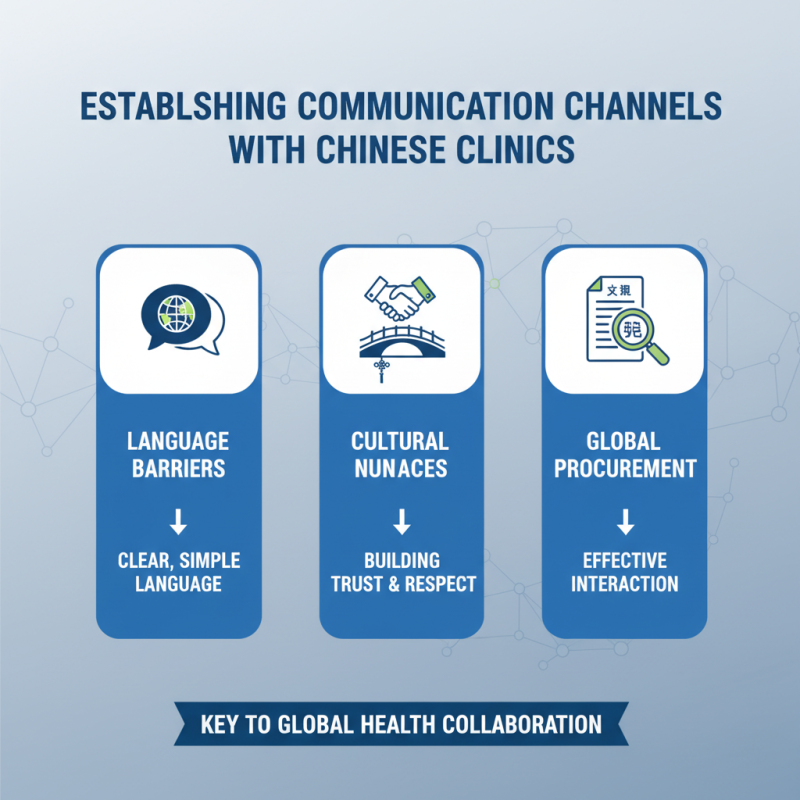
Establishing effective communication channels with Chinese clinics is crucial for global procurement. Language barriers can complicate interactions. Using clear, simple language helps ensure mutual understanding. It’s also vital to consider cultural nuances. Taking the time to learn about cultural practices fosters trust and respect.Email remains a primary communication tool, but instant messaging apps are increasingly popular. They allow for quick responses. Consider exploring both methods for effective dialogue. Regular video calls can also enhance relationships. Seeing each other builds rapport and aids in clearer communication.However, challenges are inevitable. Miscommunication may arise despite efforts. Patience and a willingness to clarify are necessary. Documenting agreements in detail helps minimize misunderstandings. Always seek feedback about communication styles. This openness will improve future interactions. Building a solid foundation takes time. With persistence, productive partnerships can emerge.
Negotiating Contracts and Terms for Global Procurement
Negotiating contracts for global procurement in the medical field requires a deep understanding of both local and international standards. It’s vital to clarify the scope of services offered by Chinese clinics. Transparency in communication helps in identifying the specific treatments and services that align with your needs. Don’t hesitate to ask detailed questions. The clarity gained can foster better contract terms.When discussing terms, focus on quality assurance and turnaround times. Quality control is non-negotiable. Look for clinics that have protocols in place to guarantee the efficacy and safety of their offerings. Consider including clauses that allow for regular evaluations of service quality. This ensures that the standards are maintained throughout the duration of the partnership. Monitoring the effectiveness of Chinese Herbs In Chinese medicine is an essential part of the evaluation process.Finally, be prepared for negotiations to take time. An understanding of both parties' expectations can lead to better outcomes. Don’t rush into agreements. Assess the terms critically, and be flexible where necessary. Reflect on previous experiences with other clinics to identify potential pitfalls. Learning from past mistakes can guide you to better decisions. Establishing a strong partnership requires patience, diligence, and a commitment to mutual benefits.
Exploring the Benefits and Uses of Single Herb Granules: A Focus on Chinese Yam
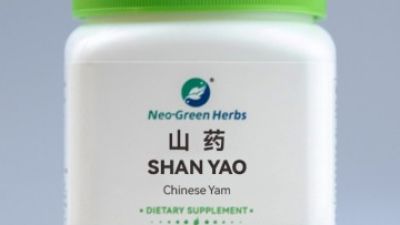
Single Herb Granules Chinese Yam
Single herb granules have gained significant attention in the realm of Traditional Chinese Medicine (TCM), particularly for their numerous health benefits. Chinese Yam, known as Dioscorea opposita, is particularly valued for its supportive properties. This herb is reputed to replenish the spleen and stomach, promote fluid production, and offer benefits to both the lungs and kidneys. These actions are crucial for maintaining overall health, as they facilitate efficient digestion, hydration, and energy levels.Recent studies have highlighted the efficacy of Chinese Yam in enhancing bodily functions. For instance, a report from the Journal of Ethnopharmacology indicated that compounds found in Chinese Yam may help in managing blood sugar levels and improving digestive health, further supporting its role in TCM. For individuals looking to incorporate this powerful herb into their daily regimen, a suggested dosage of 1-2 grams, taken 2-3 times daily, can provide a beneficial boost. It is essential, however, to consult a TCM healthcare practitioner to tailor the intake to personal health needs.When integrating single herb granules into your lifestyle, proper storage is key. Keep the granules tightly closed in a cool, dry place to preserve their potency and nutritional value. This attention to storage ensures that you can enjoy the full spectrum of benefits that Chinese Yam offers, including its potential to strengthen kidney function and enhance overall well-being.
Conclusion
Sourcing quality Chinese clinics is essential for effective global procurement in the healthcare sector. To ensure successful partnerships, it is important to identify key factors such as the clinics' accreditation and certification status. Evaluating the specializations and services offered by these clinics can help in matching specific healthcare needs.Additionally, researching patient reviews and case studies provides valuable insights into the quality of care. Establishing clear communication channels with Chinese clinics is crucial for addressing any queries and preferences. Finally, negotiating contracts and terms will solidify the partnership, ensuring that the procurement process is beneficial and compliant with international standards.
Media Contact
Company Name: Neo-Green Herbs INC
Email: Send Email
Country: China
Website: https://www.neogreenplants.com/