Sea salt, pink Himalayan salt, kosher salt, and other salts may look appealing, but which are most healthy? Intermountain registered dietitian nutritionist explains.
(PRUnderground) January 18th, 2026
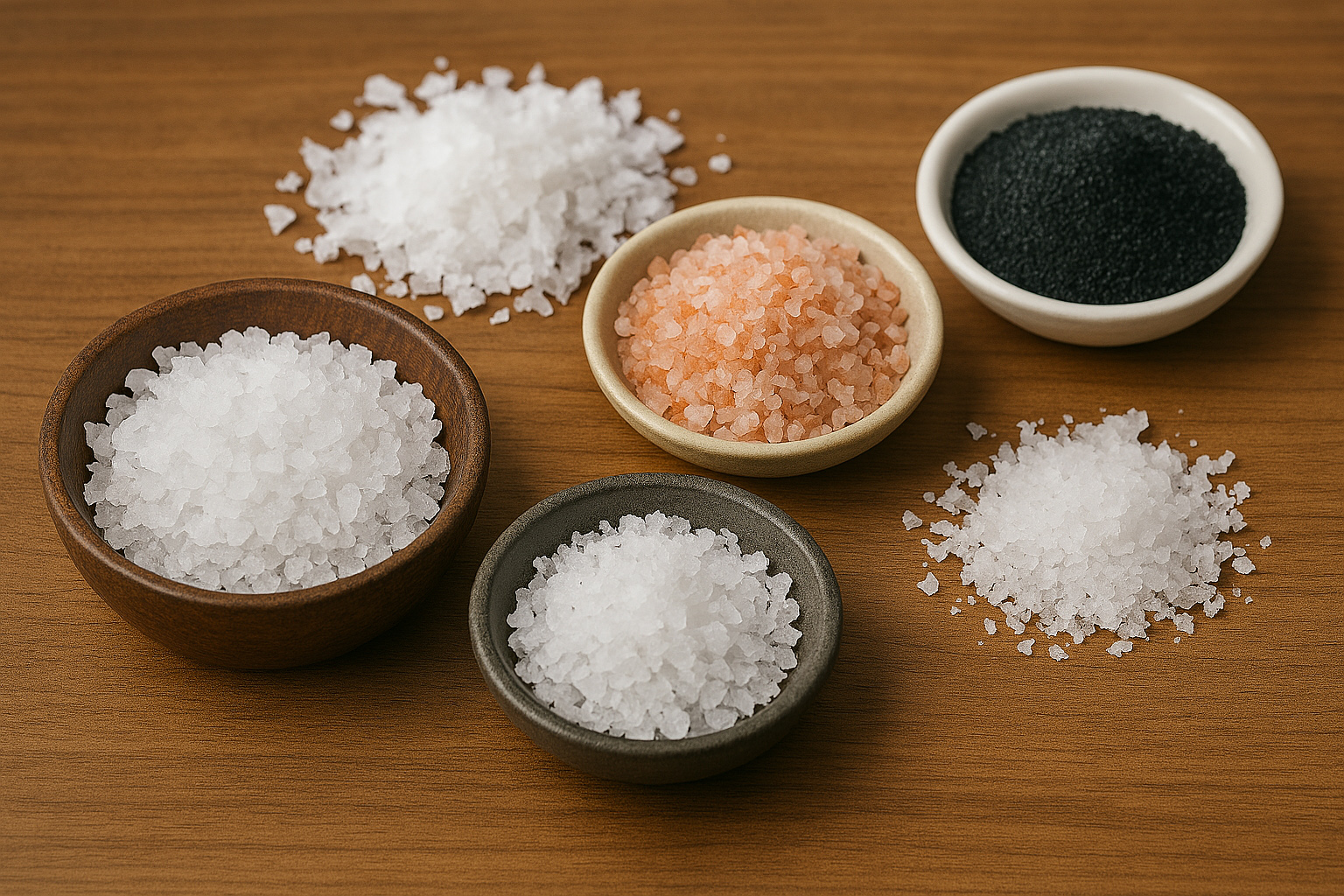
Most people don’t realize, but the type of salt you choose can affect your health.
January is Thyroid Awareness Month, highlighting the butterfly-shaped gland located at the base of the neck. This small but important gland influences metabolism, energy, and growth. The thyroid gland depends on iodine, a mineral, to produce hormones and function properly. Without enough iodine, thyroid function can falter, leading to fatigue, weight changes, and even an enlarged thyroid gland or goiter that looks like a large lump or thyroid nodules in your neck.
Why Iodine Matters
Iodine is an essential mineral, which means the body can’t make it on its own and it must be consumed in the diet. Iodine deficiency is a global concern and can occur when diets lack iodized salt or iodine-rich foods. In the U.S., iodized salt was introduced in the 1920s to combat widespread deficiency, but recent trends are reversing that progress.
Are All Salts Iodized?
Iodized salt is the best source of iodine, but not all salts are iodized. “Sea salt, pink Himalayan salt, kosher salt, and other specialty salts may look appealing, but most are not iodized,” said Carly Alba, registered dietitian nutritionist at Intermountain Medical Center.
“I recommend using iodized salt for everyday cooking.” Product labels will indicate whether the salt is iodized. The type of salt used in processed foods is generally not iodized,” she added.
If these non-iodized specialty salts replace iodized table salt in your kitchen, your iodine intake could drop significantly. Iodine deficiency is known to cause thyroid dysfunction. While iodized salt is the best source, some foods such as seafood, dairy, and eggs provide a source of iodine as well. Adults need 150 mcg of iodine per day.
Here are some foods that are good sources of iodine. But looking at the numbers, just 1/2 teaspoon of iodized salt is the easiest way to meet the daily requirement.
- 3/4 cup Greek yogurt: 87 mcg
- 1 cup nonfat milk: 84 mcg
- 3 oz cooked oysters: 93 mcg
- 1/4 tsp iodized salt: 78 mcg
- 1 large egg: 31 mcg
According to dietitians, most salt intake in the United States comes from processed foods, and food manufacturers almost always use non-iodized salt in these foods.
According to the National Institute of Health, if package food contains iodized salt, it must list the salt as iodized in the ingredient list on the food label.
Specialty salts, such as sea salt, kosher salt, Himalayan salt, and fleur de sel, are not usually iodized. Product labels will indicate if the salt is iodized or provides iodide. Non-iodized sea salt provides virtually no iodine.
“If you prefer the flavor or texture of specialty salts, enjoy these as a topping on your food and consider using iodized salt for when you’re cooking a recipe, or consider evaluating your diet for other sources of iodine,” said Alba.
Populations at the highest risk for iodine deficiency include:
- People who do not use iodized salt
- Pregnant women (due to increased need of iodine for growth)
- Vegans and people who eat few or no dairy products, seafood, and eggs
“Take a look at the salt in your kitchen. If it’s sea salt or pink Himalayan salt, it’s likely not iodized. Swap in iodized salt for everyday cooking to protect your thyroid and talk with your doctor or dietitian about your thyroid health and iodine needs,” Alba said.
For more information about Intermountain Health’s dietitian services visit intermountainhealth.org.
About Intermountain Health
Headquartered in Utah with locations in six states and additional operations across the western U.S., Intermountain Health is a nonprofit system of 33 hospitals, over 400 clinics, medical groups with some 4,600 employed physicians and advanced care providers, a health plans division called Select Health with more than one million members, and other health services. Helping people live the healthiest lives possible, Intermountain is committed to improving community health and is widely recognized as a leader in transforming healthcare by using evidence-based best practices to consistently deliver high-quality outcomes at sustainable costs. For up-to-date information and announcements, please see the Intermountain Health newsroom at https://news.intermountainhealth.org/. For more information, see intermountainhealth.org/ or call 801-442-2000.
The post Intermountain Health Experts Explain Difference Between Types of Salt and Why Iodine is Important first appeared on
Original Press Release.