Reports surfacing in early 2026 suggest that Amazon.com Inc. (NASDAQ: AMZN) is preparing a high-stakes return to the smartphone market, more than a decade after the catastrophic failure of its original Fire Phone. Codenamed "Project Transformer," the new initiative marks a radical departure from traditional hardware strategies, aiming to bypass the "app-store wars" entirely in favor of a generative AI-driven "ambient intelligence" hub.
The immediate implications for the market are significant. If successful, Amazon could challenge the long-standing duopoly of Apple Inc. (NASDAQ: AAPL) and Alphabet Inc. (NASDAQ: GOOGL) by offering a device where traditional apps are secondary to a seamless, AI-orchestrated user experience. However, with the memory of a $170 million write-down from its first mobile attempt still fresh in the minds of veteran investors, the Seattle giant faces a steep climb to prove that this time is truly different.
The Resurrection of Amazon Mobile: From Fire to Transformer
Details regarding Project Transformer began to coalesce in early 2026, following a series of strategic executive hires and internal restructuring within Amazon’s Devices & Services division. Leading the charge is Panos Panay, the former Microsoft Surface visionary who joined Amazon in late 2023. Under Panay’s leadership, Amazon has reportedly formed a secretive "skunkworks" unit known as "ZeroOne," headed by J Allard, the legendary hardware veteran behind the original Xbox. This unit has been tasked with creating a "breakthrough" device that integrates Amazon’s most advanced Large Language Models (LLMs) directly into the hardware layer.
The timeline leading to this moment suggests a multi-year preparation. Throughout 2024 and 2025, Amazon quietly transitioned away from the Android-based Fire OS in favor of its proprietary "Vega OS." Unlike its predecessor, Vega is a lightweight, Linux-based system designed for high efficiency and total ecosystem control. By March 20, 2026, internal memos leaked to the press indicated that the "Transformer" device has reached the advanced prototyping stage. Market reactions have been polarized; while some tech enthusiasts are eager for a non-Google alternative, institutional investors remain wary of the massive capital expenditure—rumored to be part of a $200 billion tech investment plan for 2026—required to launch a new mobile ecosystem.
Winners and Losers in the Post-App Era
If Project Transformer gains traction, the ripple effects will be felt across the NASDAQ and NYSE. Amazon (NASDAQ: AMZN) stands as the primary beneficiary if it can successfully convert its massive Prime subscriber base into mobile hardware users, potentially turning its struggling devices division into a high-margin services engine. Conversely, Apple (NASDAQ: AAPL) and Alphabet (NASDAQ: GOOGL) face a unique threat. If Amazon succeeds in making traditional apps "superfluous" through an AI-first interface, the lucrative 30% commission fees collected by the App Store and Google Play could be at risk.
On the infrastructure side, carriers like Verizon Communications (NYSE: VZ) and Vodafone Group (NASDAQ: VOD) have already signed "backhaul" agreements with Amazon’s satellite unit, now rebranded as Amazon Leo. These partnerships position them as potential winners, as they could offer the first truly global, "dead-zone free" mobile plans. However, traditional smartphone manufacturers like Samsung Electronics could see their market share eroded if consumers pivot toward Amazon’s AI-centric "minimalist" hardware, which reportedly prioritizes voice and intent over screen-time-intensive social media apps.
A Shift from Gimmicks to Utility: Why This Time Is Different
The 2014 Fire Phone failed largely because it relied on hardware "gimmicks," such as the 3D "Dynamic Perspective" and the shopping-focused "Firefly" tool, while lacking a competitive app ecosystem. Project Transformer ignores the app gap by leaning into "Ambient Intelligence." The core philosophy is that the user shouldn't have to open an Uber app to get a ride or a DoorDash app to order food; instead, a more powerful version of Alexa (rumored to be Alexa+) handles these tasks across the system's architecture.
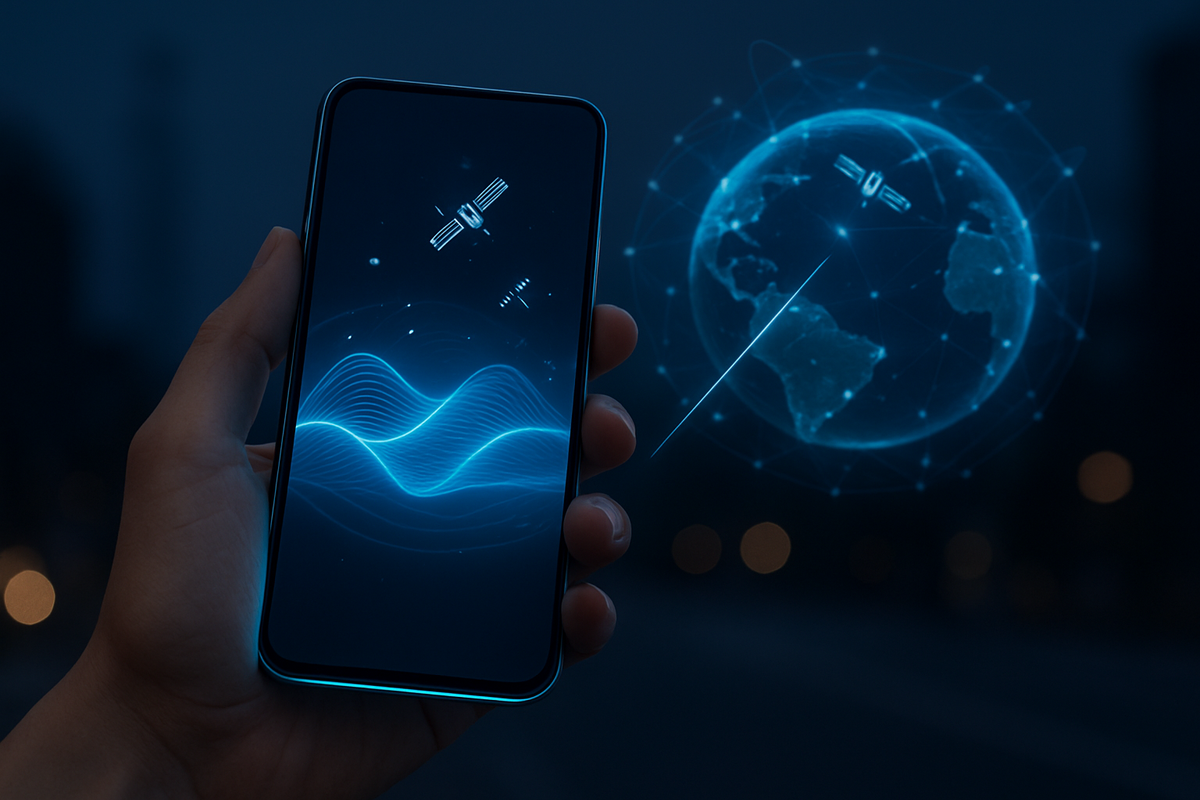
This shift fits into a broader industry trend toward "AI-first" hardware, similar to early attempts by companies like Rabbit or Humane, but backed by Amazon’s unparalleled logistics and cloud infrastructure. Furthermore, the integration of Project Kuiper’s Direct-to-Device (D2D) satellite connectivity provides a functional utility—global connectivity without a cell tower—that the original Fire Phone never possessed. This regulatory-vetted satellite integration allows Amazon to bypass the traditional carrier-exclusive launch traps that hobbled the Fire Phone’s initial release on AT&T.
The Road Ahead: Beta Testing and Global Ambitions
In the short term, Amazon is expected to launch a limited beta program for the Transformer device to its "Amazon Vine" reviewers and select Prime members by late 2026. The company is reportedly exploring a two-tier hardware strategy: a premium AI flagship to compete with the iPhone Pro and a "minimalist" secondary device designed to appeal to the growing "digital detox" movement. This secondary device would focus purely on communication and AI-assisted tasks, avoiding the distractions of a traditional web browser.
The long-term challenge remains consumer habit. Breaking the muscle memory of the iOS and Android interfaces is a monumental task. Amazon will likely need to leverage aggressive pricing—perhaps even subsidizing the hardware entirely through Prime memberships—to gain a foothold. Strategic pivots may also be required if developer adoption of the React Native-based Vega OS stalls, which would force Amazon to rely even more heavily on its AI’s ability to "scrap" or interact with the web on behalf of the user.
Market Outlook and Final Thoughts
The reports of Project Transformer signify a bold, if risky, "all-in" bet on the future of AI and satellite connectivity. For Amazon, this isn't just about selling a phone; it’s about controlling the interface through which consumers interact with the world. Key takeaways for investors include the transition to the proprietary Vega OS, the high-profile leadership of Panos Panay, and the strategic use of Project Kuiper to provide a unique value proposition.
Moving forward, the market will likely be sensitive to any updates on Amazon's capital expenditure and the official reveal of the Vega OS developer kit. While the ghost of the Fire Phone still haunts the company’s hardware legacy, the "Transformer" approach—prioritizing AI utility over app-store quantity—suggests that Amazon has finally learned the right lessons from its past failures. Investors should watch for official announcements at the upcoming 2026 Amazon Devices Event for confirmation of launch dates and pricing tiers.
This content is intended for informational purposes only and is not financial advice.