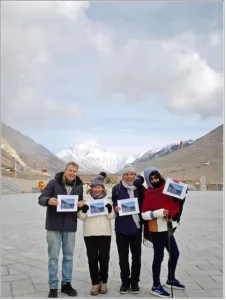
For many travelers, the idea of visiting the “Roof of the World” brings up images of sunny summer days, crowded monastery courtyards, and busy mountain trails. But those in the know will tell you that winter reveals the true, untouched heart of Tibet. From November through February, the plateau trades heavy tourist crowds for crisp blue skies, clear views of the high Himalayas, and an authentic glimpse into local life.
If you are looking for a unique holiday getaway or a peaceful mountain retreat, planning a winter Tibet trip offers incredible advantages. With lower travel costs, quiet cultural sites, and mild daytime temperatures in cities like Lhasa, winter is easily one of the best-kept secrets in Asian travel.
Here is a practical, straightforward guide to planning a smooth, hassle-free winter Tibet tour.
Why Choose Winter for Your Tibet Travel?
While winter on the plateau sounds intimidating at first, the actual weather conditions often surprise first-time visitors. Here is why taking a Tibet travel journey during the colder months makes so much sense:
Abundant Sunshine and Clear Skies: Lhasa is famously known as the “City of Sunshine,” enjoying over 300 sunny days a year. Winter daytime temperatures in Lhasa often reach a pleasant 10°C to 15°C (50°F to 59°F) under bright, clear skies.
Unobstructed Mountain Views: Dry winter air brings exceptionally high visibility. If seeing Mount Everest or Mount Namcha Barwa without thick summer clouds is high on your list, winter provides the most consistent clear views of the year.
Authentic Cultural Immersion: With fewer international tour groups around, local pilgrims from across Tibet travel to Lhasa to perform seasonal koras around sacred sites like the Jokhang Temple. You get to experience genuine local traditions without feeling rushed through crowded halls.
Exceptional Travel Value: Hotels, local flights, and tour packages cut prices significantly during the winter season, offering high-end service at a fraction of peak-season costs.
Understanding Permit Requirements & Simplified Entry Policies
When organizing your winter journey, understanding entry documentation is the first step. Because independent foreign travel is restricted in the Tibet Autonomous Region (TAR), all international visitors must arrange their itinerary through a certified local agency.
Recent policy updates have made securing your entry documents far more efficient:
Essential Winter Permit Checklist:– Passport & Chinese Visa: Ensure your passport has at least 6 months of validity. Travelers can enter China using a standard Chinese Tourist Visa (L Visa) or take advantage of expanded visa-exemption policies.– Tibet Travel Permit (TTP): The primary authorization document issued by the Tibet Autonomous Region Tourism Bureau. This permit is strictly required to board flights or trains into Lhasa.– Streamlined Entry for Everest & Nyingchi: Visiting major winter highlights—such as Lhasa, Shigatse, Nyingchi, or Everest Base Camp (EBC)—now only requires the standard Tibet Travel Permit (TTP). The separate Aliens’ Travel Permit is no longer required for these popular regions.
To streamline this process, partner with a trusted regional specialist like Tibet Horizon. By submitting clear copies of your passport and visa through their official platform at www.tibettourism.com, their Lhasa administrative team manages all official submittals directly, delivering your approved Tibet Travel Permit hassle-free before you board your train or flight.
Essential Ground Support: Vehicles, Heating, and Guides
Traveling across high mountain terrain in winter requires reliable ground logistics to ensure your comfort and safety at every turn. Having the right support system on the ground makes all the difference when temperatures drop after sunset.
Fleet Quality & Heated Transportation
Winter drives across high mountain passes demand safe, well-maintained vehicles. Tibet Horizon provides private, climate-controlled 4WDs, comfortable vans, and tourist buses driven by seasoned Tibetan drivers who know how to navigate mountain roads safely in all weather conditions. Vehicles are equipped with reliable heating systems, ensuring smooth, comfortable long-distance travel between cities.
Knowledgeable Local Guides
A great guide brings local history and culture to life while looking out for your well-being. Booking your journey with Tibet Horizon connects you with an experienced, native Tibetan expert tour guide. Your guide will share deep insights at iconic landmarks like the Potala Palace, monitor your physical comfort in the high altitude, and ensure supplementary oxygen is always available in your vehicle if needed.
Top Highlights for a Winter Itinerary
While high-altitude trekking trails are generally closed during mid-winter, cultural routes and low-elevation scenic drives remain fully accessible and visually stunning.
1. The Potala Palace & Barkhor Street (Lhasa)
Winter is the absolute best time to explore Lhasa’s sacred heart. Without summer queues, you can take your time walking through the ancient, incense-scented halls of the Potala Palace and Jokhang Temple. Join thousands of Tibetan pilgrims along Barkhor Street as they spin prayer wheels in the warm afternoon sun.
2. Yamdrok Lake & Shigatse
Drive past the brilliant turquoise waters of Yamdrok Lake—which contrasts dramatically with surrounding snow-capped peaks—and visit the historic Tashilhunpo Monastery in Shigatse, the traditional seat of the Panchen Lama.
3. Everest Base Camp (5,200m)
Because winter weather offers dry, stable atmospheric conditions, winter visitors to Everest Base Camp enjoy some of the sharpest, most dramatic views of Mount Everest’s North Face available all year.
4. The Peach Blossom Valleys of Nyingchi
If you schedule your trip for late winter (March into April), the lower-elevation valleys of Nyingchi begin to bloom with wild pink peach blossoms against a backdrop of snow-draped mountains.
Sample 8-Day Classic Winter Itinerary
Here is a popular, well-paced 8-day route designed to give you the ultimate mix of culture, winter landscapes, and mountain views:
8-Day Winter Highlights Route:- Day 1: Arrival in Lhasa (3,650m) – Private airport/train transfer to your hotel; take it easy for the rest of the day to adjust to the altitude.- Day 2: Lhasa Monasteries & Tea Houses – Visit Drepung Monastery in the morning, witness monastic debates at Sera Monastery, and sample warm Tibetan sweet tea at a local tea house.- Day 3: Lhasa Cultural Landmarks – Tour the Potala Palace in the morning; explore Jokhang Temple and walk along Barkhor Street in the afternoon.- Day 4: Lhasa to Gyantse & Shigatse – Drive past Yamdrok Lake and Karola Glacier; visit the Gyantse Kumbum stupa before heading to Shigatse.- Day 5: Shigatse to Everest Base Camp (5,200m) – Drive over Gyawula Pass for clear views of the Himalayan range; watch the sunset over Mount Everest’s North Face.- Day 6: Everest Base Camp to Shigatse – Catch the sunrise over Everest, visit historic Rongbuk Monastery (5,009m), and travel back to Shigatse.- Day 7: Shigatse to Lhasa – Explore Tashilhunpo Monastery and its colossal gilded Buddha statue before taking the scenic route along the Yarlung Tsangpo River back to Lhasa.- Day 8: Departure from Lhasa – Private transfer to the airport or train station for your return journey home.
Practical Winter Packing & Health Essentials
Staying warm and comfortable during a winter trip comes down to smart layering and basic health precautions. While daytime temperatures in Lhasa remain pleasant, night temperatures drop quickly below freezing across high-altitude passes.
| Category | What to Pack & Prepare |
| Layering Strategy | Dress in three main layers: thermal base layers (merino wool or synthetic), an insulating fleece or down jacket, and a windproof/waterproof outer shell. Bring a warm beanie, insulated gloves, and a fleece scarf. |
| Sun & Eye Protection | High altitude combined with bright winter sun means heavy UV exposure. Bring broad-spectrum SPF 50+ sunscreen, lip balm, and UV400 polarized sunglasses to protect against snow glare. |
| Footwear | Comfortable, insulated walking shoes or sturdy hiking boots with good traction for cold cobblestone streets and mountain viewpoints. |
| Hydration & Skincare | Winter plateau air is exceptionally dry. Drink plenty of water throughout the day, use skin moisturizer liberally, and bring eye drops if you wear contact lenses. |
| Cash Reserves | Keep Chinese Yuan (RMB) cash on hand for small purchases at local shops, tea house visits, and tipping your local driver and guide. |
Ready to Plan Your Winter Adventure?
A winter Tibet tour offers everything you could ask for in a mountain getaway: crisp air, clear skies, quiet sacred spaces, and incredible value. Whether you want to witness Mount Everest standing sharp against a clear blue sky or simply enjoy a quiet cup of sweet tea alongside local pilgrims in Lhasa, winter reveals the plateau at its most peaceful and majestic.
By partnering with experienced local professionals like Tibet Horizon, every detail of your journey—from your Tibet Travel Permit to heated transportation and expert local guides—is handled with care.
Visit www.tibettourism.com today to explore winter travel packages, check latest permit rules, and start planning your winter trip to the Roof of the World.