In today’s world, eco-friendly packaging films are pretty much a must-have if you want to keep your business sustainable. With more and more buyers around the globe looking to cut down their environmental impact, the demand for innovative, greener packaging options is really on the rise. Companies like Bioplastics International and EcoEnclose are stepping up, offering a bunch of eco-friendly films made from biodegradable materials. And honestly, these films do a great job protecting products — while also being better for the planet.
Now, I won’t lie — switching to eco-friendly film isn't always smooth sailing. Some businesses find it tricky to find suppliers that truly match their sustainability goals. The choices out there can feel pretty overwhelming too. What’s really important is understanding the different materials’ properties. You gotta weigh how well they perform against their environmental impact. And being transparent about where your packaging comes from is a big part of the game.
More and more, buyers are becoming aware of the significance of their packaging decisions. Investing in eco-friendly films honestly shows that your brand cares about the environment. But honestly, sometimes the conversations around these solutions stay pretty surface-level. It’s crucial that we keep digging into these topics. Companies should really take a step back, evaluate their current packaging practices, and think about ways they can do better for the planet.
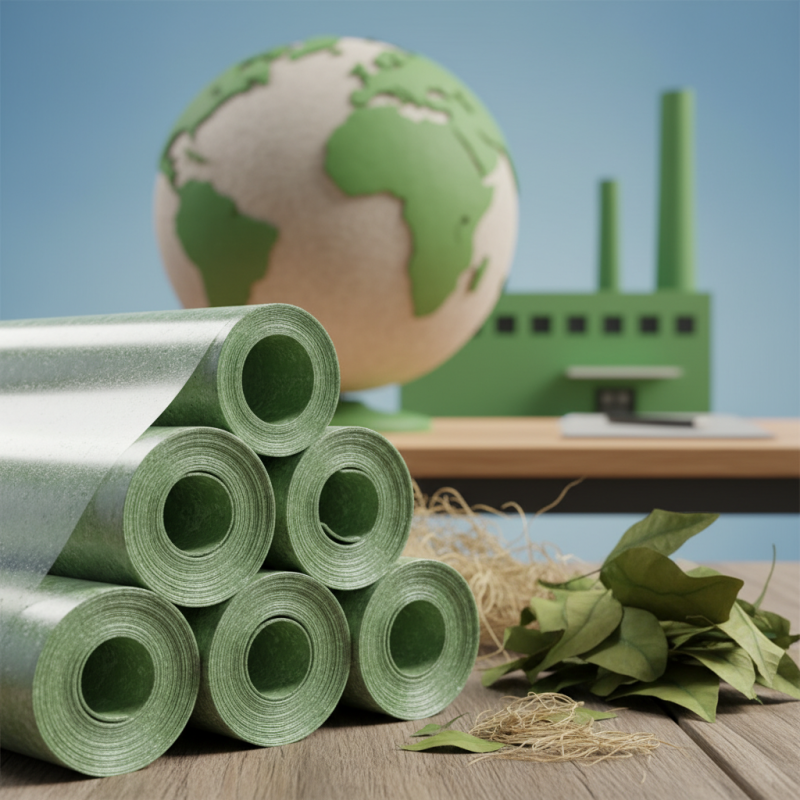
Overview of Eco-Friendly Packaging Films
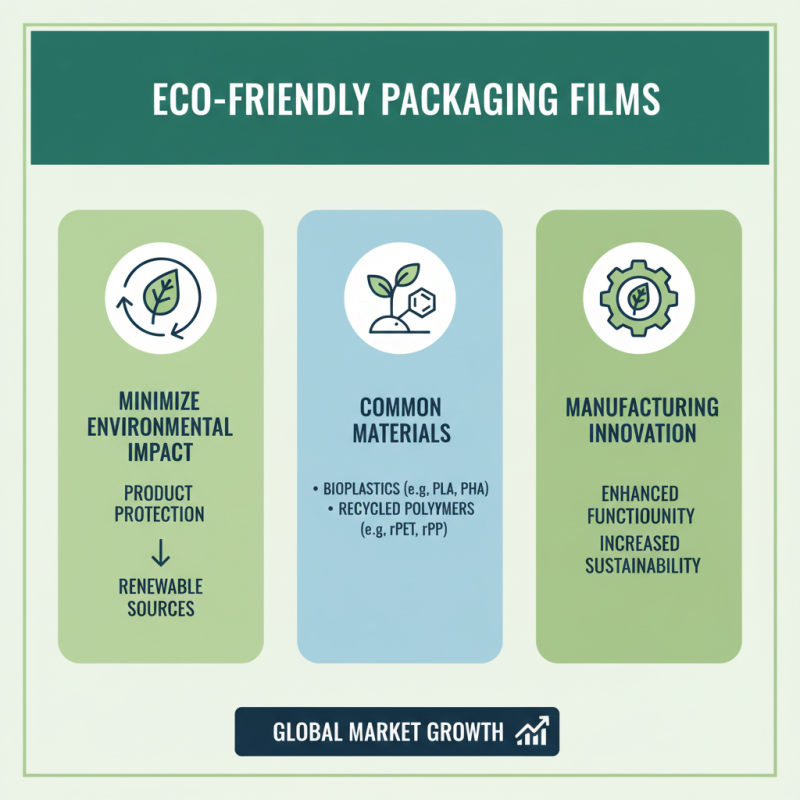
Eco-friendly packaging films are gaining traction in the global market. They aim to minimize environmental impact while protecting products. These films are often made from renewable sources. Common materials include bioplastics and recycled polymers. Manufacturers are innovating to enhance both function and sustainability.Many eco-friendly films are designed to be compostable. This feature appeals to environmentally-conscious consumers. Some films can break down in industrial composting settings within months. However, there are challenges. The recycling infrastructure varies greatly between regions. Not all facilities can process these materials effectively.Choosing the right eco-friendly film requires careful consideration. The balance of durability and biodegradability is crucial. Sometimes, manufacturers compromise on one for the other. There is also the matter of cost. Sustainable solutions can be more expensive. Buyers must weigh their options against their sustainability goals. This ongoing journey has its bumps and requires reflection on priorities.
Importance of Sustainable Packaging Solutions
Sustainable packaging solutions are increasingly vital in our modern world. They play a significant role in reducing environmental impact. Eco-friendly packaging minimizes waste and encourages recycling. Buyers are now prioritizing sustainable options to meet consumer demand for greener products.Adopting eco-friendly materials can be challenging. Many businesses face hurdles in sourcing sustainable resources. Understanding the nuances of material selection is crucial. Biodegradable films, compostable options, and recycled materials are some effective solutions. However, inconsistent quality can pose a serious concern. Many manufacturers still struggle with creating sturdy, eco-conscious films that meet performance standards.The demand for sustainable packaging highlights the importance of innovation. Companies must invest in research to develop alternatives. Consumer awareness is rapidly increasing, pressuring brands to act responsibly. As more buyers seek out eco-friendly options, companies that adapt will thrive. However, the journey is fraught with obstacles, requiring long-term commitment and thoughtful strategies.
Top Eco Friendly Packaging Film Solutions for Global Buyers
| Material Type | Biodegradability | Applications | Thickness (microns) | Recyclability |
|---|---|---|---|---|
| PLA (Polylactic Acid) | Yes | Food Packaging, Bags | 30-50 | Compostable |
| PHA (Polyhydroxyalkanoates) | Yes | Packaging, Film, Healthcare | 50-100 | Compostable |
| Bio-based PET | Partially | Bottles, Bags, Films | 100-250 | Recyclable |
| Kraft Paper | Yes | Wrapping, Bags, Boxes | 70-200 | Recyclable |
| Recycled LDPE | No | Plastic Bags, Wrappers | 50-100 | Recyclable |
Types of Eco-Friendly Packaging Films Available
Eco-friendly packaging films have become essential in today's sustainable market. Various types of these films are gaining traction among global buyers. Biodegradable films are one popular option. Made from natural materials, they break down easily in the environment. A report by Smithers predicted that the global biodegradable packaging market will reach $22 billion by 2025.Another type is compostable films. These films offer an excellent solution for businesses aiming for a zero-waste policy. They decompose into non-toxic components in commercial composting facilities. Research indicates that compostable films could reduce landfill waste significantly, aligning with a growing trend toward sustainability. In 2022, the compostable packaging market was valued at $10.1 billion.Recyclable packaging films are also on the rise. These are designed for recycling within established systems, reducing the environmental footprint. The recycling rate for flexible packaging remains low, around 9%, according to a recent industry report. This highlights the need for improved infrastructure and consumer awareness. As demand increases, it is critical to address these challenges effectively.
Key Materials Used in Eco-Friendly Films
Eco-friendly packaging films are becoming essential in today's market. Buyers are increasingly looking for sustainable solutions. The materials used in these films play a crucial role in their environmental impact.Biodegradable polymers are gaining attention. These materials, derived from renewable resources, help reduce plastic waste. Cornstarch and polylactic acid (PLA) are common examples. They break down more easily than traditional plastics, minimizing landfill issues.Plant-based coatings also show promise. These coatings enhance durability while remaining environmentally friendly. They provide moisture resistance and can be composted after use. Another innovative solution is recycled materials. Films made from post-consumer plastics offer a second life to waste. However, the quality and consistency of recycled films can vary. It's important to ensure they meet safety standards.
Factors to Consider When Choosing Packaging Films
When selecting eco-friendly packaging films, various factors must be considered. The material's biodegradability is crucial. Reports indicate that biodegradable films can decompose within months in optimal conditions. This contrasts with conventional plastics, which take centuries to break down. Buyers should assess the environmental impact of these films throughout their lifecycle.
Another critical factor is the film's barrier properties. Many eco-friendly films maintain sufficient protection against moisture and oxygen. Research shows that some cellulose-based films can provide comparable protection to traditional polymers while being more sustainable. Evaluating the film's performance under specific conditions is essential.
Cost is another consideration. Eco-friendly options may appear more expensive upfront. However, studies reveal that long-term savings occur through waste reduction and enhanced brand loyalty. Global buyers must weigh the initial investment against potential future benefits. Always analyze a packaging film's entire value proposition.
Leading Manufacturers of Eco-Friendly Packaging Solutions
In the quest for sustainable packaging, eco-friendly films have emerged as promising solutions. Numerous manufacturers are stepping up, offering a variety of biodegradable and compostable films. These films often utilize materials like cornstarch or recycled paper. They can significantly reduce the plastic waste burden on our environment. However, not every eco-friendly film is created equal.
Leading manufacturers are focused on innovation. They experiment with different materials and production methods to enhance performance. Often, the challenge lies in balancing durability and environmental impact. Some films may not perform as well as their plastic counterparts. This discrepancy can lead to consumer frustration.
It's vital for manufacturers to communicate clearly about their products. Transparency in sourcing materials and production processes builds trust. Buyers need to understand what they are purchasing. While the industry evolves, it's clear that ongoing dialogue and improvements are essential. We must continue to push for better alternatives while acknowledging existing limitations.
Future Trends in Eco-Friendly Packaging Film Industry
The eco-friendly packaging film industry is evolving rapidly.According to a recent report by Research and Markets, the global market for sustainable packaging is expected to reach $600 billion by 2027, growing at a CAGR of 10%. This trend reflects a significant shift in consumer preferences towards sustainable and environmentally responsible products. Companies are being pushed to minimize their carbon footprint.Innovative materials like biodegradable films and recycled plastics are becoming popular. These materials not only reduce waste but also meet strict regulations and consumer demands. While the shift towards eco-friendly options is promising, challenges remain. Many businesses struggle with higher costs associated with these new materials. Ensuring that the films perform well while being sustainable is a balancing act that requires more research.Tip: Consider using local materials for your packaging to further enhance sustainability. Limited transportation reduces emissions. It's also vital to validate the claims of eco-friendliness through certification to build consumer trust. Look for certifications that are recognized in your industry to avoid misleading practices. Balancing cost and sustainability remains complex but necessary.
Exploring Aluminized Cellulose Film: Innovative High Barrier and Gloss Applications in Packaging Industry
Aluminized Cellulose Film: High Barrier & Gloss
Aluminized cellulose film is revolutionizing the packaging industry with its unique combination of high barrier properties and luxurious aesthetic appeal. This innovative material, coated with aluminum, not only enhances the visual allure of products but also provides significant protection against moisture and oxidation, ensuring that contents remain fresh and of high quality for longer periods. The film's "dead-fold" twist strength makes it particularly suitable for various applications, allowing it to hold its shape without the need for additional supports, which is crucial for products such as chocolates and candies.Furthermore, one of the key advantages of aluminized cellulose film is its compostable nature, aligning it with the increasing demand for sustainable packaging solutions. As consumers become more environmentally conscious, the ability to offer packaging that is both eco-friendly and visually appealing can set products apart in a competitive market. By utilizing this innovative film, brands can effectively communicate their commitment to sustainability while providing enhanced functionality and aesthetic value, making it an ideal choice for premium gift items and other luxury products.
Conclusion
The article explores the growing importance of Eco Friendly Packaging Film solutions, highlighting their crucial role in promoting sustainable packaging practices. As consumers and businesses alike shift toward more environmentally responsible choices, understanding the various types and key materials used in eco-friendly films becomes essential. Factors influencing the selection of packaging films are discussed to guide global buyers in making informed decisions.Furthermore, the article points to future trends in the eco-friendly packaging film industry, emphasizing innovation and the increasing demand for sustainable materials. By considering these aspects, companies can effectively contribute to a more sustainable future while meeting the needs of eco-conscious consumers.
Media Contact
Company Name: ZHEJIANG XIADE NEW MATERIAL CO.,LTD.
Email: Send Email
Country: China
Website: https://www.xiadecn.com/