SPONSORED CONTENT -- (StatePoint) Healthcare is expensive. Families feel it every time they pay an insurance premium, pick up a prescription, open a medical bill, or put off care because of worries about the cost.
For many people, it’s getting even harder. Changes to Medicaid, healthcare tax credits, and new program rules will make it more difficult for some families to keep their insurance or afford care. Advocates say that people should not have to fight this hard to see a doctor or pay for medicine and that healthcare should be about helping people live healthy lives, not about confusing bills, paperwork, high costs, and record profits.
Big changes are needed to make healthcare more affordable. But there are practical steps you can take now to help avoid extra costs.
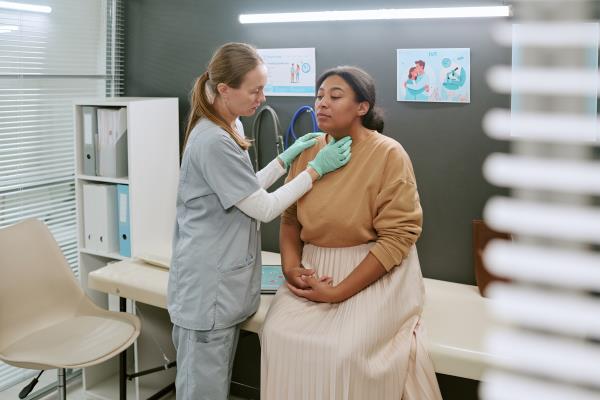
1. Use what you’ve got. If you have health insurance, federal law says most health plans must cover preventive care at no cost to you. This includes annual check-ups, vaccines, blood pressure checks, cancer screenings, and other basic care to keep you healthy. These visits matter. Detecting a health problem early can help you avoid a bigger, more expensive problem later.
When you schedule your next doctor’s appointment, ask two simple questions: “Is this preventive care?” and “Will I have to pay anything for this visit?” Researching this ahead of time can help you avoid a surprise bill.
2. Shop around. Not every doctor, hospital, or pharmacy costs the same. Your insurance plan usually has a list of “in-network” doctors and facilities where care costs less. Before you make an appointment, check whether the doctor or clinic is in your network. If you go out of network, you could pay much more. If you don’t have insurance, many communities support occasional access to free health screenings and care.
Also ask where a medical test or procedure will cost the least. Sometimes the same scan, blood test, or treatment costs more at a hospital than at a clinic, imaging center, or outpatient office. A call to your health insurance plan may save you big bucks.
3. Ask for help. Don’t ignore bills you cannot afford. Call the billing office and ask for help. You can ask: “Do you offer financial assistance?” “Do you have charity care?” “Can I get a payment plan?” “Can this bill be lowered?”
Many hospitals and clinics have programs that can reduce bills for people who qualify. You can also ask them to check for mistakes. Medical bills are confusing, and errors happen.
4. Take care of your health. No one can control everything about their health, and many people face barriers that make it harder to stay healthy. But small steps can help prevent bigger health problems and bigger bills.
If you are able, take your medicine as directed. Keep up with care for conditions like diabetes, asthma, high blood pressure, or heart disease. Try to move your body, eat nourishing foods, and get help when something feels wrong.
5. Speak up and take action. One person cannot fix America’s healthcare affordability crisis alone.
One Nation, Overcharged is a grassroots movement that is bringing people together to demand better. That means speaking up, sharing your story, and calling for a system that puts people over profits. The grassroots effort is powered by voices like yours. Whether you have thousands of dollars in medical debt, are fed up with high healthcare costs, or simply believe that we all deserve better, you can visit OneNationOvercharged.org to learn more, sign up, and add your voice.
Medical costs are on the rise, but people can take steps to reduce their own bills, as well as join efforts to change the status quo.
Photo Credit: (c) AnnaStills / iStock via Getty Images Plus