In October, during the golden autumn season, visitors to Shaowo Village in the “Yimeng Good Chestnuts” demonstration area of Qingyun Town, Linshu County, Linyi, Shandong Province, will find the newly renovated and reopened Sunset Café bustling with activity. Travelers from across the city and beyond gather in small groups beneath towering chestnut trees, relaxing, admiring the scenery, and chatting.
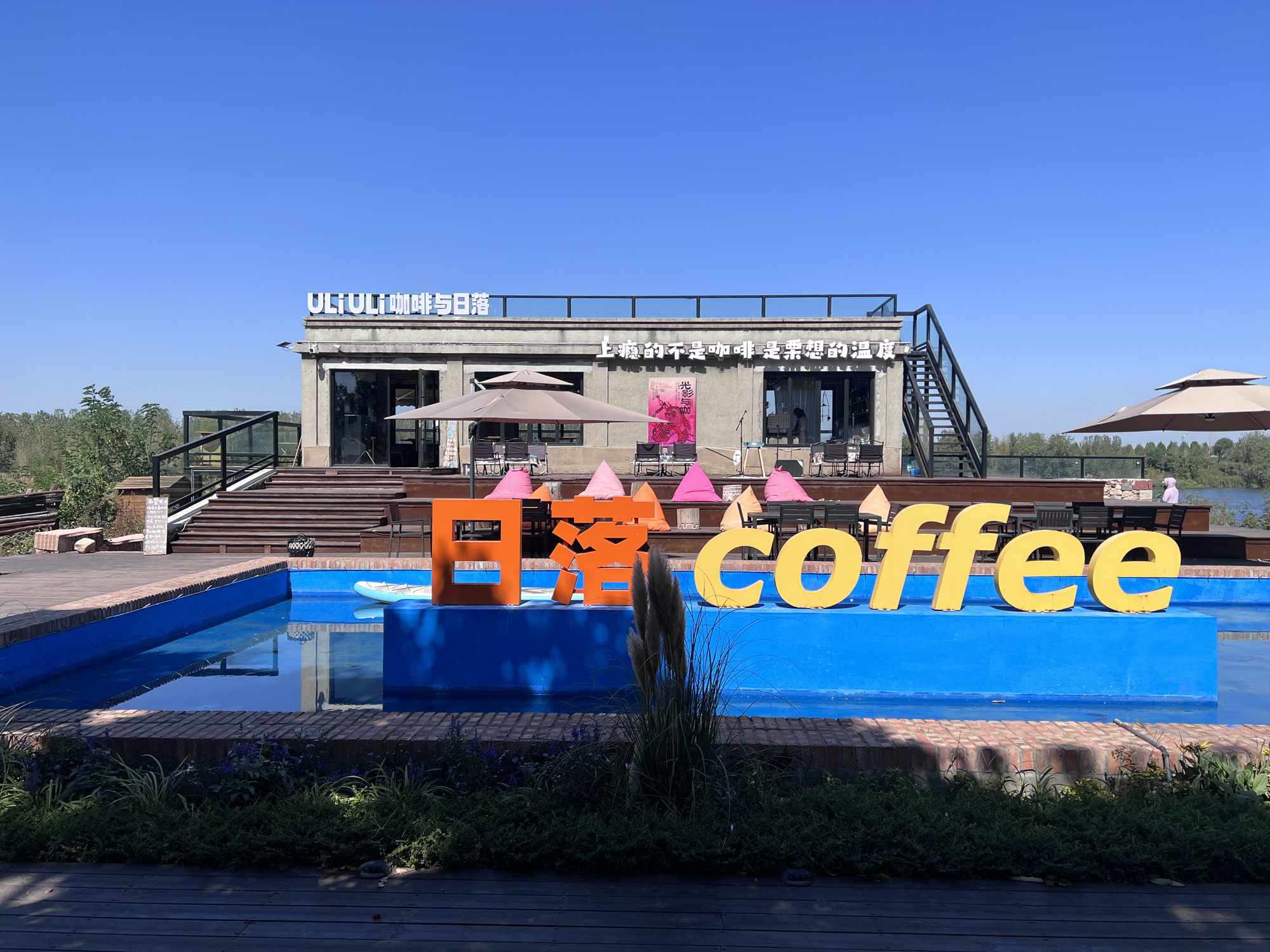
The demonstration area capitalizes on the extensive sandy riverbanks and chestnut orchards along the Shuhe River. Using cooperatives led by village Party branches as a key driver, it coordinates and integrates funding and resources from various sources, revitalizes 22,000 mu (approximately 1,467 hectares) of land, and develops more than 10 projects jointly connecting multiple villages. It leverages distinctive tourism resources, including Shaowo Village’s 1,000-mu chestnut orchard, to attract visitors, stimulate local development, and provide services. Three premium rural tourism routes have been developed: the Golden Beach and Chestnut Sea countryside excursion route, the willow-weaving cultural study-tour route for young people, and the Yilong Flower Sea leisure route. The area has also established different types of facilities and platforms, including integrated public service centers, rural innovation communities that help residents increase their incomes, and collaborative development partnerships serving local communities. New business formats, such as a youth makers’ base, 26°C Water Station Café, and Molin Campground, have also been introduced. These initiatives are expected to generate annual revenue of RMB 100 million.
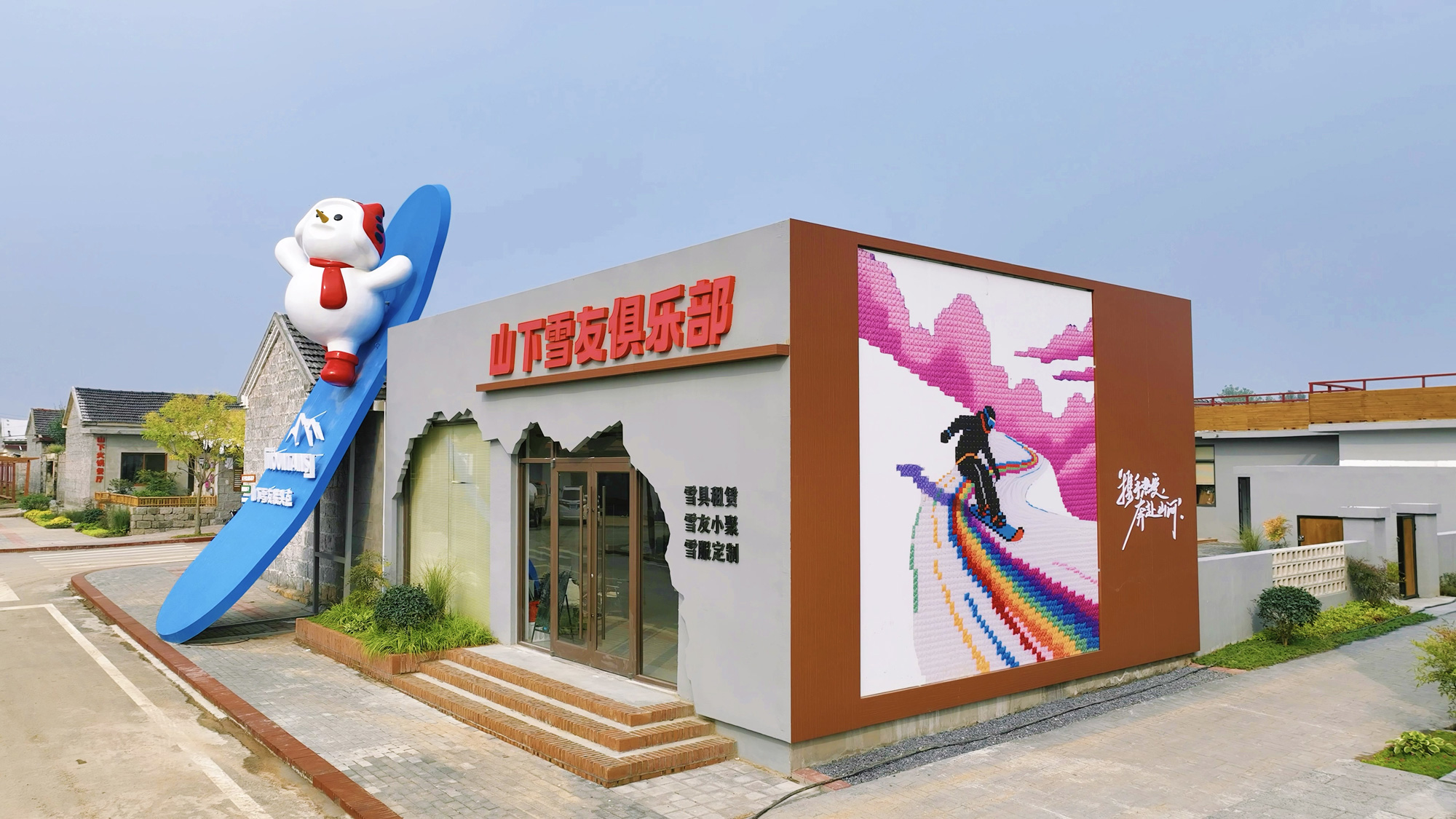
In Yushan Town, the Yushan Banli demonstration area is leveraging the visitor traffic generated by Jiagushan Ski Resort to address gaps in rural cultural tourism infrastructure. It has revitalized idle residential plots and old rural houses and introduced an innovative dual-layer operating model combining “villager self-operation + professional management.” The area is nurturing small businesses that help increase local incomes, including distinctive homestays, rural restaurants, intangible cultural heritage creative products featuring the traditional Mo-style velvet embroidery, and farmhouse workshops. It is also developing specialty industries, such as Gexianmi (a type of edible freshwater cyanobacterium) and distinctive sweet potato cultivation, while creating an integrated agriculture, culture, and tourism offering themed around “snow, tea, rice, and embroidery.” These efforts are turning visitor traffic into longer stays and natural resources into economic value. The area generates approximately RMB 22 million in annual profit, increases collective village income by around RMB 3.3 million, provides more than 500 jobs, raises per capita income among local residents by RMB 13,000, and benefits over 20,000 people.
The “Good Life” demonstration area in the revolutionary heritage village of Zhucun has achieved further progress by strengthening the coordinated development mechanism known as “one village leading nine villages.” The Party branches of 10 villages and residential communities have formed an area-wide Party committee, using a Party-building alliance to pool resources and strengthen joint development efforts while addressing the limitations of fragmented growth. The area receives more than 800,000 tourist visits annually.
In recent years, Linshu County has taken into account the differing resource advantages of its rural communities and promoted cross-village partnerships and coordinated group development. By pooling resources, jointly cultivating distinctive industries, strengthening grassroots governance, and improving the overall rural landscape, the county has upgraded its beautiful countryside and enhanced the quality and efficiency of its rural economy. It has developed several high-standard rural revitalization demonstration areas, including Zhucun’s “One Village Leading Nine Villages: A Good Life” initiative, Yushan Banli, Yimeng Good Chestnuts, and Meihao Daxing. These efforts have enabled a transition from isolated success stories to coordinated progress across the county, establishing a practical path toward shared prosperity and integrated rural development through collective action.