The trucking industry rarely stands still.
New regulations, fuel price swings, technology upgrades, labor shortages, and changing customer expectations can all reshape how freight moves across the country. Businesses that move freight live inside these shifts, and tracking or ignoring them is a choice that eventually shows up on the bottom line.
The difference between a company that dodges bullets and one that gets hit often boils down to who knew what, and when. Owners who get timely financial performance information see the change warnings: new fleet fuel costs on the horizon, a competitive market increase in driver-pay expense, or a loan to buy out the partner who’s been taking cash off the top.
If you’re in the freight business, here’s how trucking industry news helps you adapt to market changes.
1. Helps Businesses Stay in the Loop about Fuel Prices
Fuel costs ebb and flow from week to week, right along with production, refinery output, and regional oil demand. That’s why, when fuel prices are down, carriers can offer lower rates, or shippers have leverage when negotiating rates. On the other hand, when fuel costs rise, that margin diminishes quickly — often within days.
A business that follows trucking industry news each week catches these swings before they throw off a quarterly budget. That allows them enough time to adjust fuel surcharges, shift routes toward cheaper fuel corridors, or lock in contracts while prices are favorable.
Waiting until the following Monday, when the next statement comes out showing how much the cost has increased, leads to nothing more than reactive business.
2. Industry News Keeps You Updated on Regulatory Shifts
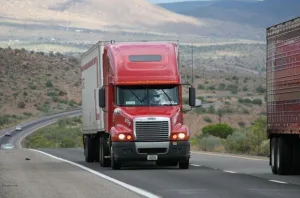
Federal agencies update trucking rules constantly, and each update has a price tag if a fleet isn’t ready for it. For example, the Federal Motor Carrier Safety Administration recently removed ten devices from the list of registered electronic logging devices.
The Environmental Protection Agency has also, in the past, released proposals to change emissions rules that affect how new trucks are built or how existing ones are maintained.
A fleet that misses a compliance deadline can face fines, downtime, or both. On the other hand, a fleet that reads regulatory updates as soon as they are released has enough time to train drivers, get paperwork in order, or save for equipment purchases.
The difference between those two outcomes usually doesn’t come down to available resources. It comes down to someone on your team reading the release when it hits their inbox.
3. Businesses Remain Aware of Freight Rates
Spot rates for flatbed, dry van, and reefer freight change daily, and each can behave differently from the others. Dry van could be skyrocketing, and flatbed could be plateauing, or reefer could be leaping before a harvest while dry van is slipping.
If a shipper doesn’t monitor these changes, they may agree to a contract rate that appears acceptable when printed but ultimately costs them money in the real world. Likewise, if a carrier isn’t aware of current conditions, they may bid on a load for too little, losing valuable margins.
By simply checking trucking industry news for any changes in freight rates before you quote, you will be more empowered as a shipper to negotiate an agreeable rate and better positioned as a carrier to bid accordingly.
4. Businesses Stay Aware of Infrastructure Changes that Impact Delivery Schedules

From newly opened roads to bridge closures, changes in infrastructure-often in stages-can affect the routes that a freight business has utilized for years. A new access road to a port might cut a 1-hour trip in half. A bridge construction project might add a months-long detour.
Weigh-in-motion technology at inspection sites can cut wait times, but only for drivers who are aware of it.
By monitoring such infrastructure developments in trucking industry news, dispatchers and planners can build realistic schedules based on actual conditions rather than on static or outdated maps. Businesses that miss the announcement find out the hard way, usually when an unexpected delay pushes a delivery past its window and costs a customer relationship.
5. Freight Businesses Can Monitor Labor and Safety Trends that Shape Hiring and Risk

Driver job data, enforcement crackdowns, and theft incident reports all signal something that business owners need to know and act on. When labor data shows a flat hiring month, you know to adjust expectations and budgets rather than chase drivers who are not moving.
When enforcement agencies announce a week of increased inspections, fleets that prepare drivers in advance avoid violations that slower competitors incur.
And when theft rings target specific freight lanes or holiday weekends, shippers who know the pattern add security measures before a loss occurs rather than after. This only requires reading existing industry news and then taking extra steps before the risk shows up at your dock.
Conclusion
The key to gaining an advantage in the trucking industry is to stay informed about the trucking industry news making headlines. None of these factors, including fluctuating fuel prices or regulations affecting freight rates and equipment costs, occur in isolation.
A business that closely monitors each area will foster a practice of preemptive action rather than a policy of responding late. That habit does not require a large team or a big budget. It requires regularly checking the right sources and treating each update as worth five minutes of attention. Over the course of a year, those five minutes add up to real savings and fewer surprises.