How Long Does Fire Restoration Really Take?
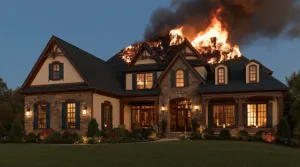
Fire restoration can take anywhere from a few days to more than a year. Limited smoke and soot cleanup may wrap up within days or a couple of weeks, while a fire involving several rooms, structural repairs, hazardous-material testing, permits and a full rebuild can stretch to six or twelve months and beyond. A 2026 consumer estimate from Angi puts the average near four months, with a range of two weeks to twelve months. Treat that as a planning benchmark, not an industry standard or a promise.
The reason the range is so wide is that “restoration complete” can mean four different things: the property is secured and dried, the smoke and odor cleanup is finished, the home is safe to occupy, or the reconstruction and insurance claim are closed. Those milestones rarely land on the same date, which is why a single completion number can be misleading for anyone weighing contractors, insurance and temporary housing.
Fire Restoration Timeline by Damage Level
| Damage level | Planning range | Typical scope |
| Limited smoke or soot | Several days to 2–4 weeks | Localized cleaning, deodorization, minor material replacement |
| One-room fire | 2–8 weeks | Water extraction, selective demolition, contents handling, cleaning, paint and repairs |
| Multi-room or partial structural | 1–4 months | Pack-out, structural drying, extensive residue removal, permits, several trades |
| Major structural fire | 6–12+ months | Engineering, hazardous-material work, demolition, permitting, substantial reconstruction |
These are editorial planning ranges, not completion dates you can hold anyone to. The actual duration depends less on how large the flames looked and more on the critical path: the slowest dependent step that everything else waits on. Structural clearance, drying time, asbestos testing, insurer scope review, permits and the reconstruction sequence each sit on that path. A small fire that soaks insulation and trips an asbestos survey can outlast a larger fire with cleaner conditions.
The Four Stages of Fire Damage Restoration
Emergency stabilization and securing the property
This phase begins only after the fire department or another authority clears the building for access. The Red Cross and U.S. Fire Administration both advise residents not to enter until officials say it is safe. Once cleared, stabilization usually includes board-up, roof tarping, utility shutdown, a structural assessment, initial water extraction and documentation. Photograph the damage before any major cleanup so you have a record for the insurer.
Water removal, drying and contamination control
Firefighting water often drives the schedule as much as the fire. The EPA recommends drying water-damaged materials within 24 to 48 hours to reduce the risk of mold. Miss that window and a fire job can turn into a combined fire, water and mold remediation project, which adds time and scope. Wet insulation, drywall and flooring need extraction, monitoring and verified drying before anyone rebuilds over them.
Smoke, soot, odor and contents restoration
Smoke travels well beyond the rooms that burned. The 2025 ANSI/IICRC S700 standard, the first edition of the professional fire and smoke damage restoration standard, calls for assessing residues and odors across the building, HVAC system and contents, not just the visible burn area. Odor removal is not proof that a structure is safe to occupy. And not every smoke-affected duct system needs full cleaning; the EPA suggests considering duct cleaning when ducts are clogged with debris or releasing particles, rather than treating it as automatic.
Repairs, permits and reconstruction
Reconstruction is usually the longest phase. It can involve demolition, framing, roofing, electrical, plumbing, HVAC, insulation, drywall, flooring, cabinets, paint and inspections at several stages. S700 covers cleaning and smoke restoration but explicitly does not comprehensively cover reconstruction, so cleanup and rebuilding are not one standardized process with a single timeline. Where a loss needs both residue cleanup and structural repairs, confirm whether the proposed schedule covers one phase or the whole project. The Glendale service overview from Golden Coast Construction & Restoration is one local example of a scope that discusses emergency stabilization, smoke restoration and reconstruction together. Verify licensing, exclusions and permit responsibilities independently before relying on any single estimate.
What Can Make Fire Restoration Take Longer?
Several factors can push a project past its initial estimate, roughly in this order of impact:
- Structural damage. Damaged framing, roofing or load-bearing elements can trigger engineering review and a full rebuild.
- Firefighting water. Saturated materials require extraction, drying and monitoring before work can continue.
- Hidden smoke migration. Residue in wall cavities, attics and HVAC runs expands the cleaning scope.
- Contents volume. Photographing, cataloging, packing, cleaning and storing belongings can become its own workstream.
- Hazardous materials. The EPA notes damaged building materials may contain lead and asbestos, which can require testing or abatement before demolition.
- Permits and inspections. Structural, electrical, plumbing and mechanical work may each need separate approvals.
- Insurer scope disagreements. Hidden damage often generates revised estimates or supplements.
- Labor and material shortages. A major regional disaster can strain contractors, inspectors, testing firms and suppliers.
- Owner decisions. Delayed finish selections or upgrades beyond like-for-like restoration move the project longer.
House Fire vs. Wildfire Restoration: Why the Timelines Differ
Wildfire recovery usually runs longer and sits partly outside a homeowner’s control. The ANSI/IICRC S700 standard excludes wildfires from its comprehensive scope, which tells you the contained-house-fire playbook does not map neatly onto a wildfire loss. Recovery can add ash cleanup, community debris-removal programs, household hazardous waste handling, asbestos surveys and government-controlled site clearance that must finish before private rebuilding even starts. Community-wide demand also strains contractors and inspectors, so your schedule depends on regional capacity, not just your lot.
For ash itself, the EPA advises against dry sweeping, recommends wet cleaning methods where appropriate, suggests wearing suitable protective clothing and an N95 respirator, and advises keeping children, older adults and people with heart or lung conditions away from the cleanup.
California and Glendale: Licensing, Asbestos and Permit Rules That Affect the Schedule
In California, these approvals sit directly on the critical path and can delay debris removal and rebuilding. The Contractors State License Board says contractors generally must be licensed for disaster repair and rebuilding work totaling $1,000 or more in labor and materials, and for smaller jobs when permits or workers are involved. CSLB advises checking the license, getting multiple bids, requiring a written contract and limiting the down payment to 10% or $1,000, whichever is less.
In the South Coast air basin, South Coast AQMD Rule 1403 may require an asbestos survey before renovation or demolition. If asbestos is found, a cleanup plan, a qualified abatement contractor and regulatory notification can be required before ordinary debris removal or reconstruction proceeds. In Glendale, building officials may be called to assess a fire-damaged structure when its integrity is in question, and permitted repairs move through the city’s review and inspection process.
Can You Stay in the Home During Fire Restoration?
Whether you can stay depends on structural stability, working utilities, how well the work areas are separated from living space, smoke and residue conditions, any water or mold issues, the methods being used, and guidance from the local authority and your restoration professionals. Odor removal alone does not establish safe occupancy, and a home that looks cosmetically finished is not the same as one cleared for reoccupancy.
If you do need to relocate, many homeowners policies include additional living expense or loss-of-use coverage. The California Department of Insurance lists increased housing, food, furniture rental, storage and transportation among expenses that may qualify. Limits and covered items depend on your specific policy, so confirm the details rather than assuming everything is covered.
How to Get a More Reliable Completion Date
A trustworthy timeline comes from mapping dependencies, not from a confident-sounding number. Use this checklist with your adjuster and contractor:
- Has the structure been cleared for access?
- Is emergency stabilization complete?
- Has all water migration been mapped, with a target drying date?
- Has the smoke-impact boundary been documented?
- Are contents being cleaned onsite or packed out?
- Is hazardous-material testing required?
- Has the repair scope been submitted, and which permits are needed?
- Are any materials or trades on a long lead time?
- What are the estimated safe-reoccupancy and final-completion dates?
Ask for a written scope with separate mitigation and reconstruction dates, clear dependencies and exclusions, permit responsibilities, drying documentation, a contents plan and a change-order procedure. California homeowners can use a local process page such as Golden Coast Construction & Restoration as a checklist prompt, asking whether their own written estimate includes board-up, drying, contents handling, smoke and odor treatment, permitting and reconstruction, rather than assuming the word “restoration” covers every stage.
How to Avoid Preventable Delays
Much of what slows a project down is avoidable with a few habits early on:
- Notify your insurer promptly.
- Photograph and inventory the damage. The Red Cross advises keeping damaged items until they are inventoried or discussed with the insurer, and retaining receipts for temporary repairs and living costs.
- Authorize necessary emergency protection after confirming who is responsible for it.
- Keep receipts and written communications in one place.
- Respond quickly to finish and material decisions.
- Verify contractor licensing before signing.
- Ask about testing and permit requirements early.
- Hold regular written progress reviews.
Don’t enter before authorities clear the building, and don’t discard belongings before they’re documented.
Frequently Asked Questions
How long does fire restoration take after a house fire? Anywhere from a few days for limited smoke to a year or more for a major structural loss. The duration tracks severity and, more precisely, the critical path of drying, testing, permits and rebuild.
How long does smoke damage cleanup take? Limited smoke cleanup often takes several days to a few weeks. It runs longer when smoke has migrated into wall cavities, attics or the HVAC system and the affected area has to be assessed and treated.
Does the fire restoration timeline include reconstruction? Often not. Cleanup and rebuilding are separate phases, and S700 does not cover reconstruction. Ask for separate mitigation and reconstruction dates so you know what a quoted timeline actually includes.
Can insurance delays hold up fire repairs? Yes. Scope review, supplements and newly discovered hidden damage can all generate revised estimates that change the schedule.
When is a fire-damaged home safe to live in again? That depends on structural stability, working utilities, residue conditions, any water or mold issues, and guidance from the authority having jurisdiction. Odor removal by itself does not confirm safe occupancy.
The Bottom Line on Fire Restoration Timelines
The size of the fire matters, but the critical path matters more. Ask for separate dates for emergency mitigation, safe reoccupancy and final reconstruction instead of settling for one vague completion promise, and you’ll have a timeline you can actually plan around.