
Contractor liability insurance documents
Contracting work may seem simple but there are several risks that you as a business owner need to be aware of. Whether it be a customer claiming that your services weren’t up to par, an injury on site or even accidental property damage - you need to make sure that you’re as protected as possible.
For this reason, it’s important to familiarise yourself with your insurance coverage and make sure that you and your business are protected as best as possible.
Know What Your Liability Policy Actually Covers
Contractor’s General Liability Insurance provides protection against claims for:
Accidental property damage - e.g. accidentally damaging your customer’s property while loading/unloading your equipment/materials
Accidental injury on site - e.g. your customer tripping over some electrical leads/cords at the jobsite
Accidental property damage while conducting your work - e.g. accidentally damaging a finished floor or appliances with your equipment
Accidental property damage outside of the immediate jobsite - e.g. accidentally damaging neighbouring properties with your equipment/materials, or causing accidental water/dust/debris damage outside of the immediate jobsite
Claims from members of the public - e.g. tripping on materials/equipment that you’ve left outside and sustaining an injury
It’s also worth noting that most policies will also provide protection against legal/defence costs should you be accused of the above, even if you’re found not to be at fault. Legal bills can quickly add up so this is an important aspect of your policy.
Keep in mind though that your policy is only as good as the fine print - make sure that you’re aware of any excesses, inclusions/exclusions, add on covers, limits etc before you sign on the dotted line. This way there won’t be any nasty surprises down the track!
Separate Faulty Workmanship From Accidental Damage
Let’s say that you’ve incorrectly installed some joinery at a jobsite and now need to go back and remove/replace the joinery. Chances are, your general liability policy won’t cover this - https://fortune.com/article/general-liability.
Contractor’s General Liability Insurance is not a replacement for good workmanship/quality control practices or a get out of jail free card for costs you should have budgeted for in the first place!
However, let’s say that in incorrectly installing the joinery you’ve accidentally damaged the customer’s walls/flooring/belongings - this accidental damage may well be covered under your policy (dependent on the fine print of course!). The moral of the story here is that it pays to know exactly what is/isn’t covered under your policy, particularly with respect to exclusions around faulty workmanship, contractual liability, completed operations, property in your care/custody/control etc.
Match Coverage Limits to the Work Ahead

Contractor insurance coverage details
Contractor’s General Liability Insurance usually comes with a per occurrence limit (i.e. the maximum amount your policy will pay out for a single incident) and an annual aggregate limit (i.e. the maximum amount your policy will pay out over the course of the policy year for a certain type of claim).
While it pays to be cost conscious when insuring your business, choosing the cheapest/most basic option available isn’t always your best option. Consider the types of jobs you undertake and whether the inherent risks match up with the level of cover you’re insuring to. For example, even on a smaller renovation project there could be significant exposure if the works are in close proximity to/impacts:
Expensive/bespoke materials/fittings
Structural elements
Live utilities
Occupied premises
Areas regularly visited by members of the public
It’s also worth bearing in mind that depending on the policy, legal/defence costs can erode your limit of cover. If you were unfortunately involved in a drawn out legal battle this could have significant flow on effects for how much of your limit is left for settling/repairing the claim.
Before commencing a job, it’s also worth double-checking with your customer about any particular insurance requirements, including whether they require you to purchase general liability coverage as basic protection. Some common ones include:
A minimum level of insurance
Evidencing that you’re insured before commencing works/entering site
Adding them on as an additional insured
Evidencing that your cover is primary and non contributory
Evidencing that your cover includes completed operations
While a certificate of currency evidences that you are insured it doesn’t necessarily evidence all of the above (additional insured, primary and non contributory, completed operations etc will typically be noted on a specific endorsement rather than the CoC). For this reason it pays to familiarise yourself with your insurance requirements/obligations under a contract prior to commencing work to ensure that you’re meeting your customer’s requirements as well as adequately insuring your business!
Protect Completed Work and Verify Subcontractors
Contractor insurance records
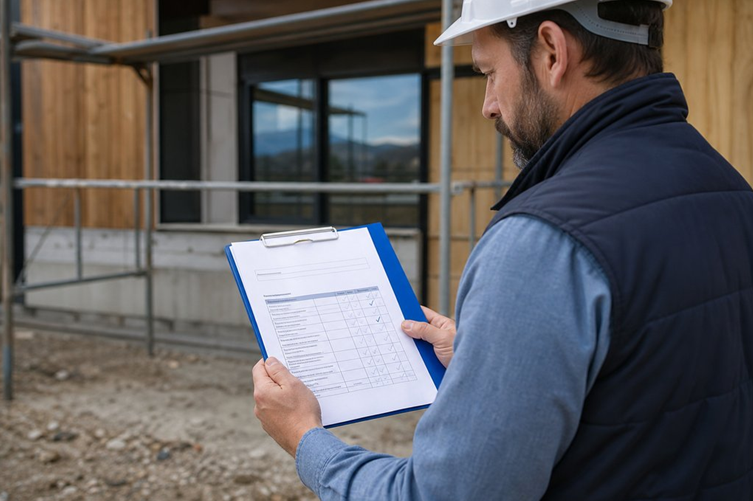
It’s worth familiarising yourself with the duration of completed operations cover, as outlined here, and confirming how long your own cover lasts. Ensure that you have continuous cover and avoid a lapse in cover from one policy period to the next, particularly if you’re concerned that a past job may result in a claim.
Contracts/change orders
Photos of the work completed
Inspection reports
Invoices/product information
Dates works were completed
Keep the Policy Aligned With Current Operations
Have you informed your insurer of any changes to your business/operations? Even if you started out carrying out smaller works (e.g. minor internal works) and have expanded your operations to include more risky activities (e.g. roofing, structural works, excavations/demolition, working with hazardous materials etc), this could affect your insurer’s appetite to continue to insure your business as is. Be prepared to discuss:
What works/trades you carry out
Typical job size & annual turnover
Whether you work on residential/commercial/industrial premises (or some combination thereof)
If you use subcontractors & the % of works you subbie out
If you work at heights/below ground level/near water/electrical or other services
Details of any claims/incidents/cancellations
This will help to ensure that you’re insuring to adequately covers your operations & avoid unpleasant surprises at time of claim (or having your premium adjusted upwards to reflect a more accurate level of risk!). Better to have an open & honest discussion upfront, before arranging cover!
Review your Contractor Liability Insurance policy in light of your upcoming jobs/contract requirements. Don’t just treat arranging Contractor Liability Insurance as a box ticking exercise to meet a customer’s contract requirements. Take the time to review your Contractor Liability Insurance policy (particularly noting any exclusions/excesses/completed operations cover etc) in light of your upcoming jobs/any special requirements/contract wording/subbie agreements etc. Have a quick rummage through your filing cabinet for your latest policy wording & your customer’s contract requirements, and compare the two before you commit to accepting the job!