There has been a lot of talk lately about ketamine, but many people don’t understand the risks of a “K-hole,” the vernacular for the trance-like state it can produce.
This press release features multimedia. View the full release here: https://www.businesswire.com/news/home/20261001382174/en/
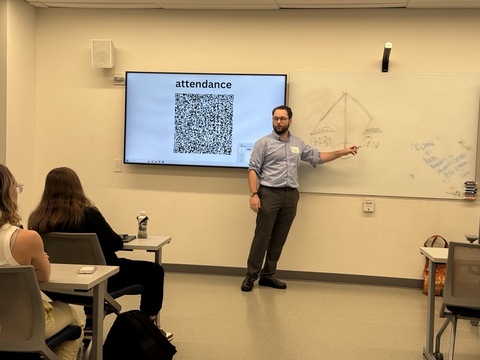
Daniel Sexton, Program Manager of Outpatient Services at Mountainside Treatment Center warns about the risks associated with ketamine use.
Ketamine is a dissociative anesthetic, used for decades in human and veterinary medicine to sedate patients and relieve pain. The Drug Enforcement Administration (DEA) notes that it distorts sight and sound and leaves users feeling disoriented and not in control. At higher recreational doses, the detachment can deepen into what users call a “K-hole,” which the DEA describes as an out-of-body, near-death experience.
The body is present, the world feels remote, and the person may be unable to move or respond. Because ketamine can cause immobility and amnesia, they may later remember little of what happened.
As the body metabolizes ketamine and the dissociative effects wear off, normal sensory processing starts to return. Some people may experience emergence delirium, with symptoms including confusion about where they are or what is real, delusions, paranoia, agitation, or combative behavior.
The risk isn’t only what happens inside a K-hole; it’s what can happen around the person. Someone who is dissociated may be unable to protect themselves, call for help, or leave a bad situation. The DEA has noted that ketamine has been used to facilitate sexual assault.
“I have had several clients who started using ketamine for depression and then found that they developed a dependence on the drug,” said Daniel Sexton, Program Manager of Outpatient Services at Mountainside Treatment Center. “Ketamine offers an alluring escape from their issues, but ultimately those issues compound. Both the user and their loved ones may find themselves trapped in a cycle of use and pain, aware of their situation but unable to break free. A metaphorical K-hole.”
“The out-of-body experience coupled with, in many cases, no recollection or a distorted recollection of the events, leaves users extremely vulnerable,” said Dr. Karen O’Flynn, Medical Director at Mountainside Treatment Center.
Mountainside encourages anyone concerned about their ketamine use or experiencing symptoms of depression to seek support from a qualified healthcare professional.
Daniel Sexton and Dr. Karen O’Flynn are available for expert commentary on the risks of recreational ketamine use, dissociation, and dependence.
About Mountainside Treatment Center
Mountainside Treatment Center is a nationally recognized behavioral health organization specializing in the treatment of substance use disorders and co-occurring mental health conditions. Through evidence-based care, innovative programming, and community partnerships, Mountainside helps build meaningful lives in recovery.
View source version on businesswire.com: https://www.businesswire.com/news/home/20261001382174/en/
“I have had several clients who started using ketamine for depression and then found that they developed a dependence on the drug,” said Daniel Sexton, Program Manager of Outpatient Services at Mountainside Treatment Center.
Contacts
Media Contact:
Griffin Gonzales
Director, Media Relations
231-794-9450
griffin.gonzales@mountainside.com