LM238WF6-SSA2: An In-Depth Analysis of LG Display's 23.8-inch FHD LCD Panel
The LM238WF6-SSA2 is a specific model number within LG Display's extensive catalog of LCD panels. While often grouped into generic "23.8-inch FHD" categories, this particular revision—the "SSA2"—carries distinct technical specifications and performance characteristics that make it a subject of interest for industrial monitors, medical displays, and high-end commercial applications. This article provides a deep, authoritative examination of this panel, moving beyond superficial specifications to explore its architecture, intended use cases, and comparative value.
1. Decoding the Model Number: What "SSA2" Means
LG Display uses a systematic nomenclature to differentiate panels. The base LM238WF6 designates a 23.8-inch Wide FHD (1920x1080) IPS matrix. However, the suffix -SSA2 is critical. It typically indicates a specific electrical interface configuration (eDP, or Embedded DisplayPort) and a particular revision of the timing controller (TCON) firmware. Unlike consumer-grade panels where the suffix often denotes minor color temperature tweaks, the SSA2 revision is engineered for stability over a wide temperature range and consistent luminance, often found in industrial-grade specifications.
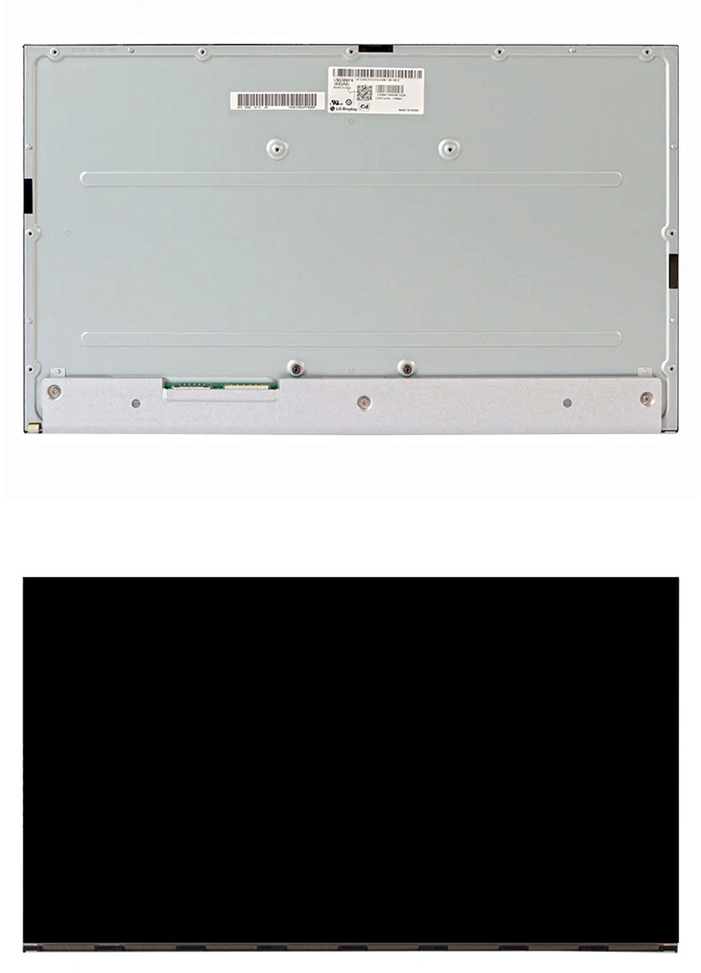
2. Core Technical Specifications and Their Implications
Resolution and Aspect Ratio: 1920 x 1080 pixels at a 16:9 ratio. This is the standard for Full HD, ensuring broad software compatibility for legacy industrial systems and medical imaging viewers that have not yet migrated to 4K.
Panel Technology: IPS (In-Plane Switching). Unlike TN panels common in older monitors, IPS provides superior color consistency at wide viewing angles (typically 178/178 degrees). For the SSA2 variant, this is often paired with a specific anti-glare coating (Haze 25% or higher) to reduce reflections in brightly lit operating rooms or factory floors.
Luminance and Contrast: The SSA2 is often binned for higher luminance, typically rated at 300 cd/m² to 350 cd/m² (nits), compared to the 250 cd/m² standard of generic office monitors. The static contrast ratio is generally listed at 1000:1, which is standard for IPS, but the SSA2’s superior voltage regulation allows for more consistent black levels across the panel surface.
Color Gamut: This panel typically covers approximately 72% NTSC (or sRGB equivalent). While not a wide-gamut display (like DCI-P3), this is deliberate for medical imaging (DICOM grayscale calibration) and industrial process control, where highly saturated colors can cause visual fatigue or misinterpretation of data overlays.
Interface: The SSA2 uses 30-pin eDP (Embedded DisplayPort) 1.2. This is a critical detail for engineers. It supports a single channel at 2-lane configuration, sufficient for 60Hz at FHD, but more importantly, it allows for longer cable runs than traditional LVDS interfaces, which is essential for integrated monitor designs with separate controller boards.
3. Deep Dive: Why This Panel Excels in Niche Applications
Medical Imaging (PACS): The LM238WF6-SSA2 is frequently adopted in diagnostic review stations. The panel's native 6-bit + FRC (Frame Rate Control) yields 16.7 million colors, but the key factor is its grayscale stability. LG Display calibrates these panels to maintain a near-linear gamma response curve (typically 2.2) without significant drift over 50,000 hours of continuous operation. This is essential for radiologists who rely on consistent tonal rendering of X-rays and CT scans.
Industrial HMI (Human-Machine Interface): In factory automation, this panel is valued for its extended temperature range. Standard consumer panels fail below 0°C or above 50°C. The SSA2 variant uses a wider-temperature liquid crystal mixture, typically operational from -20°C to +70°C. This allows a CNC machine controller or a chemical plant monitoring terminal to function reliably in unheated environments.
4. Comparison with Generic LM238WF6 Variants
Luminance Uniformity: The SSA2 undergoes stricter binning. While a generic variant might have a 25% luminance drop from center to edge, the SSA2 typically maintains within 15% of center luminance. This is measured using a 9-point or 13-point test during manufacturing.
Backlight Driver: The LED backlight driver on the SSA2 supports PWM dimming with a higher frequency (typically > 20 kHz) to avoid visible flicker at low brightness settings, which is critical for video inspection work where camera shutter speeds must synchronize with the lighting.
Mounting and Mechanicals: The SSA2 often includes reinforced mounting holes on the side and rear metal chassis to withstand high-vibration environments (conveyor belts, aviation simulators) where standard plastic bezels would flex.
5. Limitations and Considerations for Integrators
Not for Gaming: With a typical response time of 14ms (Tr+Tf) and a 60Hz refresh rate, this panel is unsuitable for fast-paced gaming. Its pixel overdrive circuitry is optimized for static image clarity, not motion blur reduction.
eDP Compatibility: Engineers must ensure their controller board supports eDP 1.2 HBR1 (High Bit Rate). While backwards compatible, using an LVDS adapter introduces signal degradation. The eDP interface also requires a specific panel power sequencing (VDD → HPD → Data) which is documented in LG's datasheet but varies from eDP 1.1 standards.
Backlight Lifespan: The LED backlight is rated at 30,000 hours to 50% luminance (L50). In a 24/7 industrial operation, this means replacement or luminance re-calibration is necessary approximately every 3.4 years. This is inferior to modern mini-LED or OLED panels but typical for this generation of edge-lit IPS panels.
6. Practical Value and Sourcing Authenticity
For a display integrator, the LM238WF6-SSA2 offers a reliable, well-documented platform. Its primary value proposition is longevity of supply, as LG Display continues to produce this panel for long-lifecycle industrial projects, unlike consumer panels which are discontinued after two years. When sourcing, verify the panel's date code and ensure it is an "Original LG Display" product, as counterfeit or re-labeled panels often substitute inferior liquid crystal and backlight units that do not meet the SSA2's temperature or uniformity specs.
Conclusion
The LM238WF6-SSA2 is not a flashy consumer display. It is a workhorse panel where engineering precision trumps aesthetic features. Its value lies in consistent luminance, wide temperature tolerance, and predictable behavior in critical systems. Understanding the nuanced differences between "SSA2" and "Standard" variants is the difference between a monitor that lasts five years in a factory and one that fails in six months. For anyone building a medical workstation or an industrial terminal, this panel represents a proven, if conservative, choice.
Media Contact
Company Name: Yingi Technology
Email: Send Email
Country: China
Website: https://www.invshop.com/